
Labour Ministry calls for stronger retirement protection for health workers
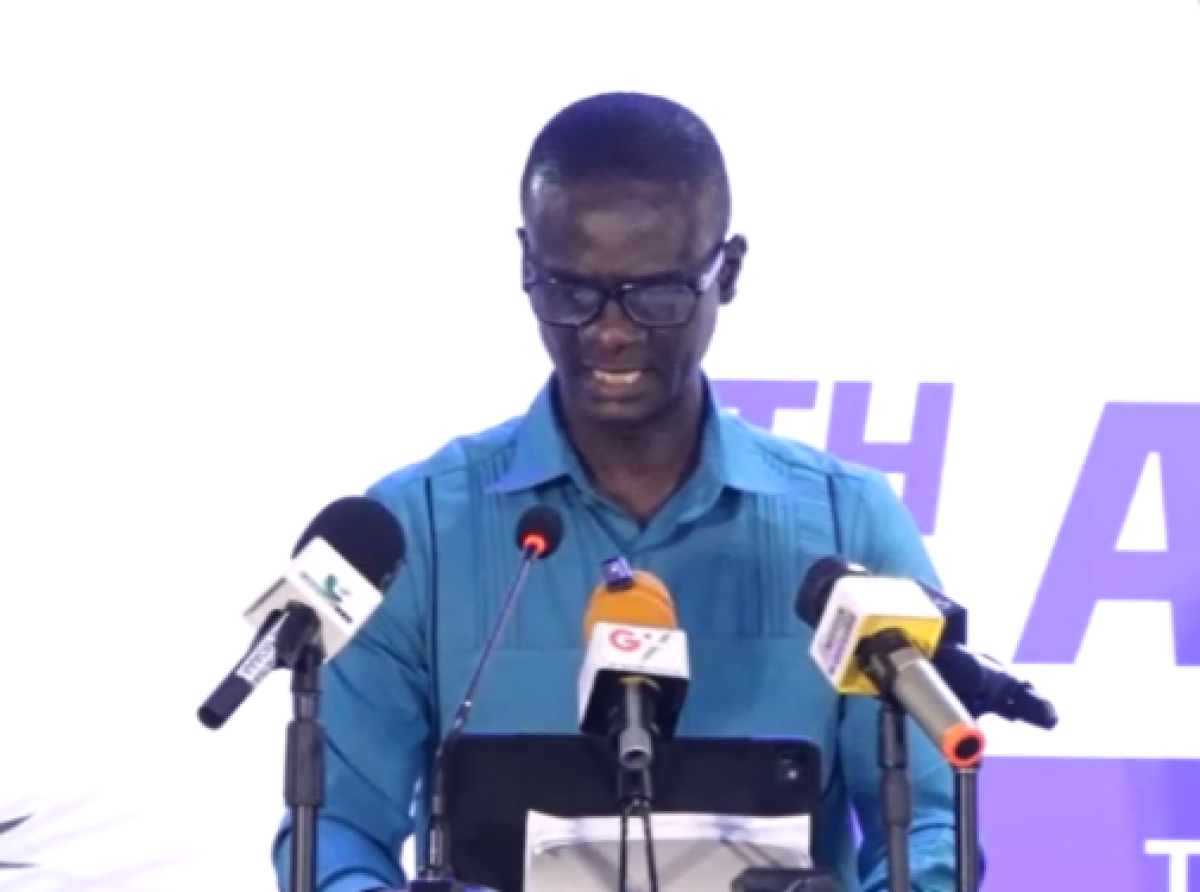
The Ministry of Labour, Jobs and Employment has called for stronger retirement protection for health sector workers, stressing that their welfare must extend beyond salaries and conditions of service to include adequate and secure pension benefits.
The Ministry said nurses, midwives, doctors, pharmacists and other healthcare professionals must be assured of financial security after years of service, particularly given the demanding nature of their work.
Speaking on behalf of the Minister for Jobs and Employment at the fourth Annual General Meeting of the Health Sector Occupational Pension Scheme in Kumasi on Monday, October 19, the Ministry’s Director of Research, Shadrack Mensah, emphasised the importance of effective pension management in safeguarding workers’ savings and ensuring dignity in retirement.
Mr Mensah acknowledged that pension funds could contribute to productive investments and national development but cautioned that such investments must not expose workers’ retirement savings to unnecessary risks.
He stressed that the protection of pension contributions must remain a priority, even as fund managers explore investment opportunities that support economic growth.
“While pension funds can support productive investment and national development, such opportunities must never compromise the security of workers’ retirement savings. Development objectives and pension protection must reinforce one another, not compete, protecting health workers,” he said.
His remarks highlighted the need to balance investment returns and broader development objectives with the responsibility to preserve the retirement benefits of healthcare professionals.
The Ministry also called for a broader approach to healthcare workers’ welfare, incorporating occupational safety, career progression and social protection.
Mr Mensah said these issues were important in recognising the contribution of health professionals to healthcare delivery across the country.
The call places retirement security within a wider framework of worker protection, with pension benefits serving as an essential component of the long-term welfare of those who dedicate their careers to public health and patient care.
Meanwhile, the Chairman of the Board of Trustees of the Health Sector Occupational Pension Scheme disclosed that plans were underway to streamline and automate pension benefit payment processes.
The proposed changes are intended to reduce delays and improve the efficiency of payments to scheme members.
If implemented effectively, the measures could help retirees and other eligible beneficiaries access their pension entitlements more promptly.
The discussions at the annual general meeting underscored the importance of transparent pension administration, secure investment management and efficient benefit payments in strengthening confidence in retirement arrangements for Ghana’s health sector workforce.

Aikines Anyomi

News
Food
Politics
Technology
About Us
Download Our Mobile App

