
Petrol prices set for sharpest drop in months amid falling global oil prices
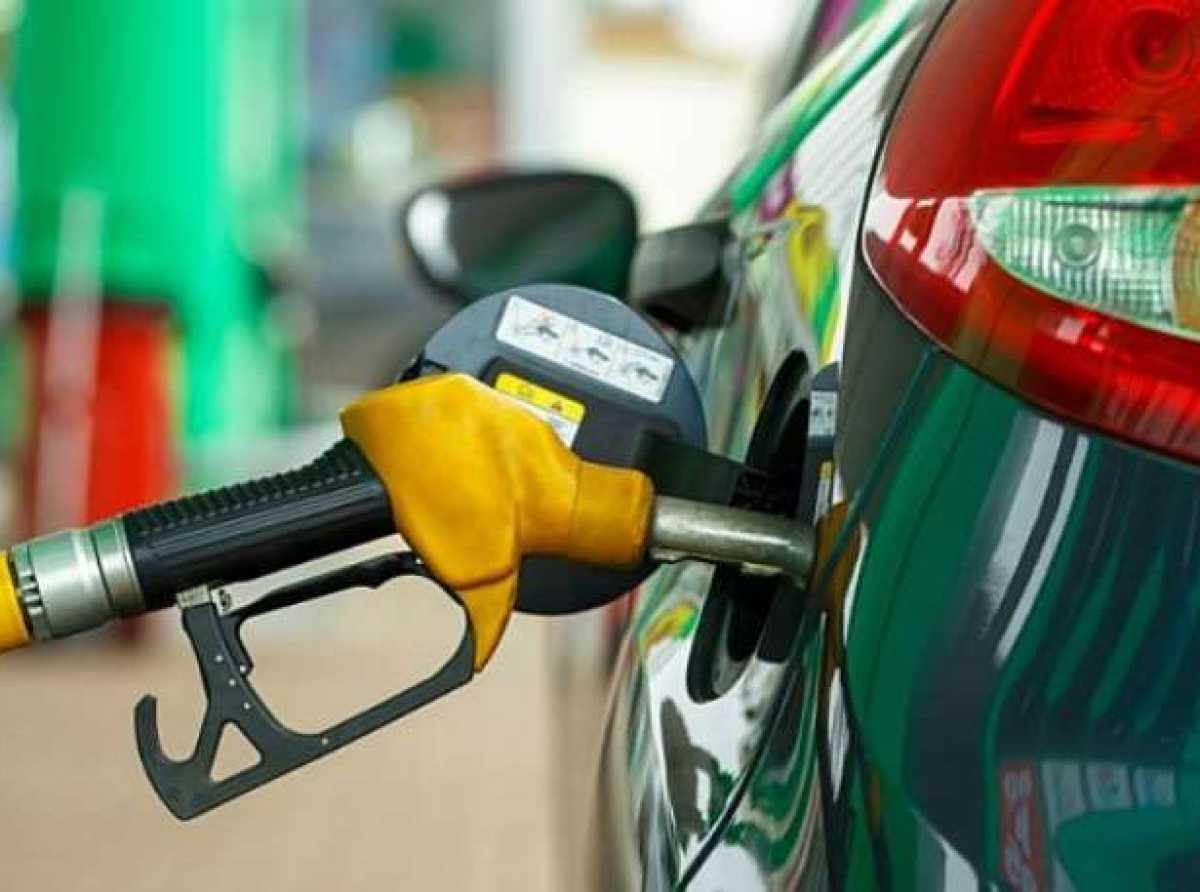
Motorists and households across Ghana are expected to benefit from a significant reduction in fuel prices beginning June 16, 2026, as petroleum products record one of their largest projected declines in recent months.
The latest pricing outlook released by the Chamber of Oil Marketing Companies (COMAC) indicates that petrol, diesel, and Liquefied Petroleum Gas (LPG) will all experience price reductions during the second pricing window of June, offering welcome relief to consumers grappling with transportation and energy costs.
The anticipated reductions are being driven largely by falling crude oil prices on the international market and a sharp decline in the cost of refined petroleum products.
Petrol is expected to lead the decline, with prices projected to fall by as much as 9.31 percent.
Should Oil Marketing Companies (OMCs) fully pass on the reductions to consumers, a litre of petrol could sell for approximately GH¢14.72 at various filling stations nationwide.
Industry analysts describe the projected decrease as one of the steepest reductions recorded this year and a significant development for private vehicle owners, commercial drivers, and businesses that rely heavily on fuel.
The expected price cut is likely to ease transportation costs and reduce operating expenses across several sectors of the economy.
Diesel consumers are also set to benefit from lower prices during the new pricing window.
According to COMAC projections, a litre of diesel could retail at around GH¢17.02, particularly among oil marketing companies that obtain products on credit from Bulk Oil Distributors.
While diesel prices are also declining, industry observers note that the reduction is less pronounced than that of petrol.
This is partly attributed to the complete removal of the government-industry intervention mechanism that previously helped moderate price fluctuations in the diesel market.
Nevertheless, transport operators, haulage companies, and businesses that depend on diesel-powered equipment are expected to welcome the reduction.
Consumers of Liquefied Petroleum Gas (LPG) are also expected to see some relief.
A kilogram of LPG is projected to sell at approximately GH¢17.20 during the pricing period.
Although the reduction is relatively modest compared to petrol and diesel, it is expected to provide some savings for households and commercial users who rely on LPG for cooking and other domestic activities.
Industry players explain that LPG pricing continues to be influenced by existing tender arrangements and procurement structures, which affect the extent of price adjustments.
Despite the projected fuel price cuts, industry stakeholders believe prices could have fallen even further if not for recent weakness in the Ghana cedi.
Data from COMAC shows that the local currency depreciated from GH¢11.59 to GH¢11.80 against the US dollar during the pricing period.
This represents a loss of approximately 2.45 percent in value.
Because petroleum products are imported and largely priced in US dollars, fluctuations in the exchange rate continue to play a major role in determining fuel prices in Ghana.
Analysts say a stronger cedi would have amplified the benefits of the declining international petroleum market.
The National Petroleum Authority (NPA) has also released revised price floors for the June 16 to June 30 pricing window.
The minimum approved price for petrol has been reduced significantly from GH¢15.20 per litre during the first half of June to GH¢13.39 per litre.
Similarly, diesel’s price floor has dropped from GH¢15.49 per litre to GH¢15.11 per litre.
The NPA has directed all industry players to comply with the newly approved price floors, meaning no OMC is expected to sell products below those thresholds.
However, due to growing competition in the downstream petroleum sector, market analysts anticipate that some major fuel retailers could price products very close to the new minimum levels in an effort to attract customers.
Companies such as GOIL PLC and Star Oil are among the firms expected to offer highly competitive prices during the new pricing window.
COMAC attributes the projected reductions primarily to declining crude oil prices and lower prices of finished petroleum products on international markets.
Global crude oil prices have reportedly fallen from around $110 per barrel to approximately $97 per barrel during the month, representing a decline of nearly 12 percent.
The downturn has been linked to weaker crude oil demand from China, increased oil exports from the United States, and continued releases from strategic petroleum reserves by member countries of the International Energy Agency (IEA).
Prices of refined petroleum products have also recorded substantial declines.
According to COMAC estimates, LPG prices fell by 19.94 percent on the international market, while petrol prices declined by 15.21 percent and diesel prices dropped by 10.17 percent.
Industry analysts believe fuel prices could continue trending downward in the coming weeks if current global market conditions persist.
There are growing expectations that crude oil prices may ease further following reports of a potential peace agreement aimed at ending conflict in the Middle East.
Any sustained reduction in geopolitical tensions could improve global energy supplies and exert additional downward pressure on petroleum prices.
For consumers, transport operators, and businesses, the latest projections offer hope that fuel-related costs may continue to moderate in the months ahead, providing broader economic relief and helping to contain inflationary pressures.

Aikines Anyomi

News
Food
Politics
Technology
About Us
Download Our Mobile App

