GES cannot be trusted to handle school abuse cases – Child Rights Int’l
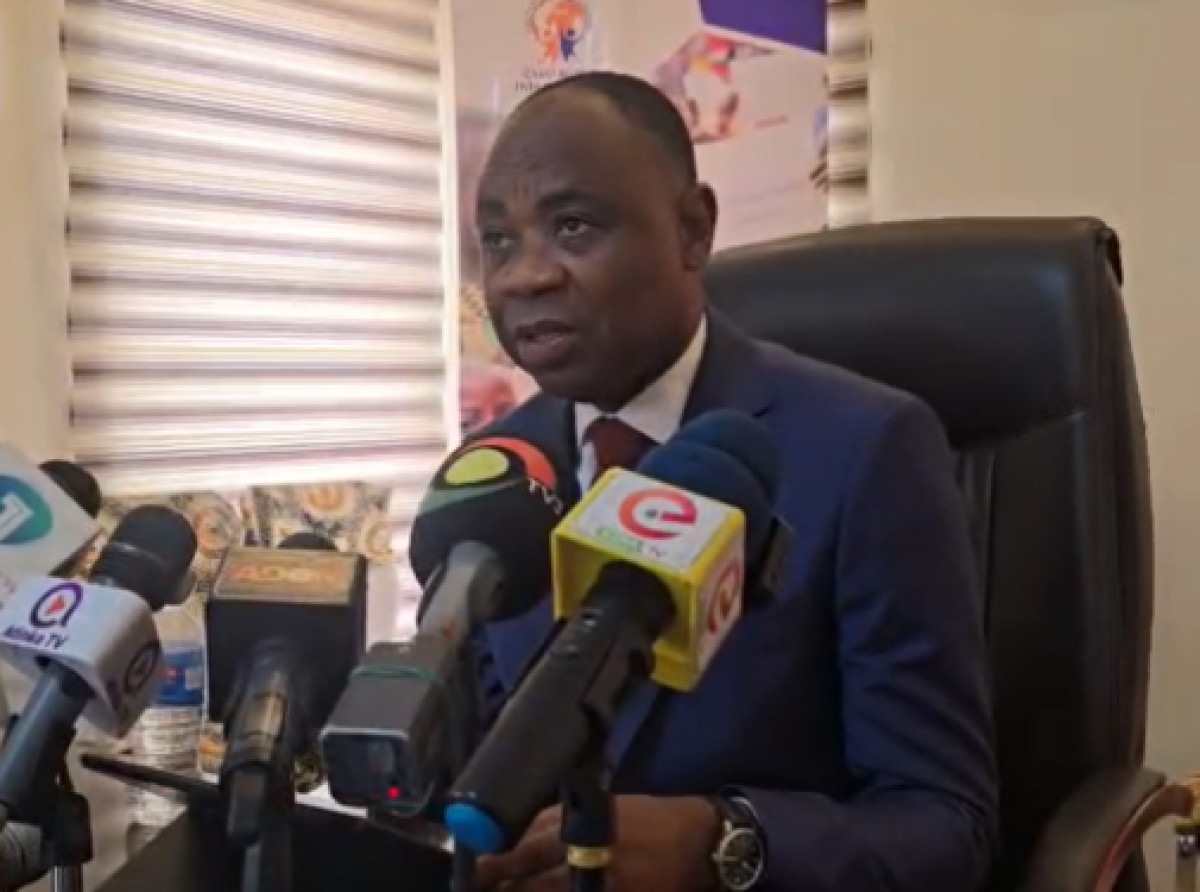
Child Rights International has called for the establishment of an independent authority to oversee counselling and child protection in Ghanaian schools following allegations of abuse involving more than 19 female students at Obuasi Senior High Technical School.
The organisation argues that existing arrangements under the Ghana Education Service (GES) are insufficient to address child protection concerns effectively and ensure accountability when allegations of abuse arise.
Speaking at a press conference on Tuesday, October 20, 2026, Executive Director of Child Rights International, Bright Appiah, called for the GES counselling unit to be transformed into an independent authority with the mandate to supervise and oversee child welfare and protection issues in schools.
He argued that keeping the counselling unit within the GES structure could limit its ability to independently scrutinise the Service’s handling of abuse cases involving students.
“The Ghana Education Service cannot be trusted as an institution to deal with child protection issues. We think that for children to be able to enjoy their fundamental right to protection, dignity and privacy, there’s a need for the state to begin to rethink how our child protection system should look within our schools,” Mr Appiah said.
He maintained that an independent oversight mechanism would help protect children’s fundamental rights, particularly their rights to safety, dignity and privacy within educational institutions.
Beyond the proposed independent authority, Child Rights International is advocating the deployment of social welfare officers to schools across the country.
The organisation believes the presence of trained social welfare professionals would strengthen the identification, reporting and handling of abuse cases and provide students with additional channels to seek support.
It is also calling for a review of the GES code of conduct to reinforce existing child protection measures and improve accountability among education officials.
According to the organisation, these reforms would help ensure that complaints involving students are handled appropriately and that child welfare concerns receive timely attention.
The proposed changes are intended to strengthen safeguards for students and establish a more effective system for preventing and responding to abuse in schools.
The calls follow allegations of abuse involving more than 19 female students at Obuasi Senior High Technical School, reportedly implicating the school’s headmaster.
The allegations have renewed public concern about the effectiveness of child protection arrangements within Ghana’s education sector and the mechanisms available to students who experience or report abuse.
Child Rights International believes the situation highlights the need for reforms that would allow child protection concerns to be handled through independent oversight rather than relying solely on internal institutional structures.
The organisation is urging the state and relevant education authorities to reconsider the existing framework and introduce measures that prioritise the safety, dignity and welfare of students.
The proposed independent authority, deployment of social welfare officers and review of the GES code of conduct form part of its recommendations for strengthening child protection in Ghanaian schools.

Aikines Anyomi
News
Food
Politics
Technology
About Us
Download Our Mobile App

