
Alban Bagbin calls for governance reforms and coordinated action to address Africa’s debt crisis
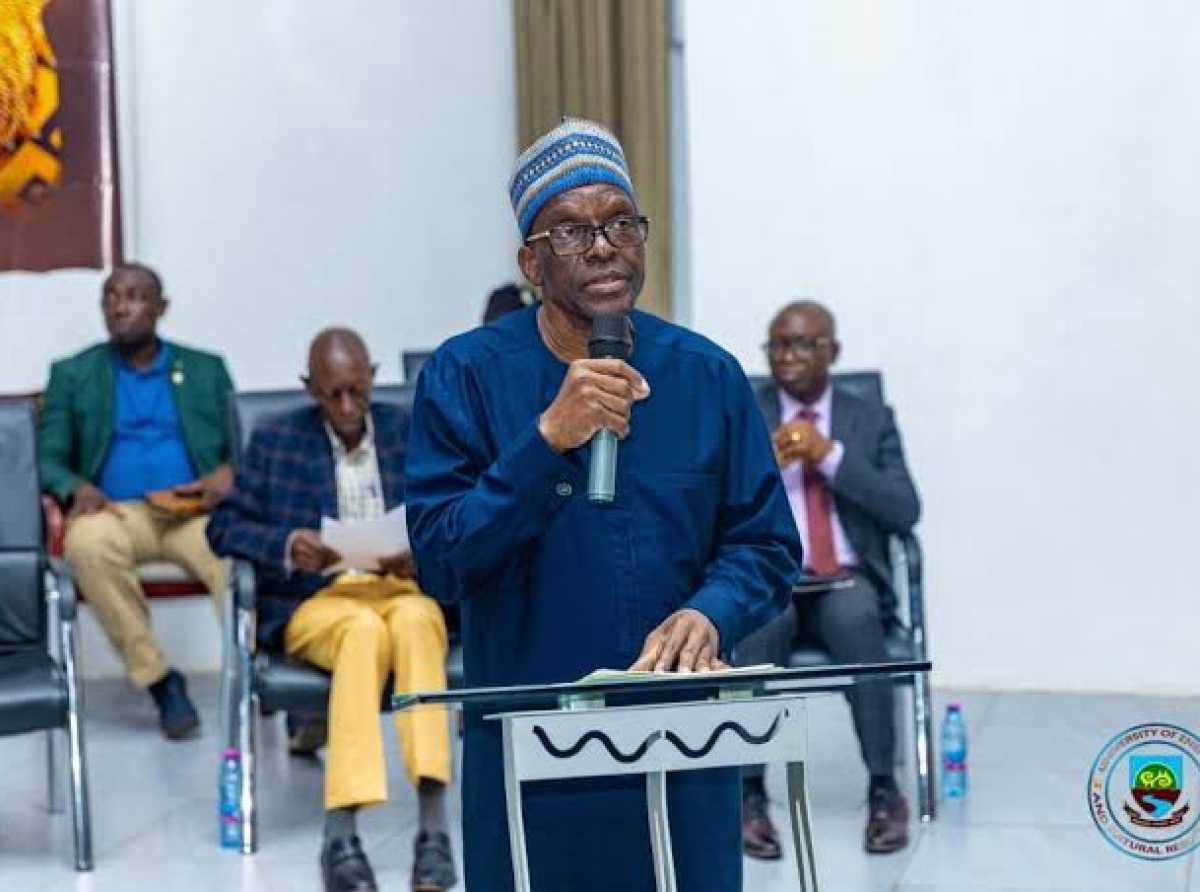
The Speaker of Parliament, Alban Bagbin, has called for comprehensive reforms to Africa’s governance and economic systems, arguing that indiscipline, weak accountability and governance failures must be addressed if the continent is to escape its persistent debt challenges.
Mr Bagbin said African countries must move beyond repeated borrowing to meet existing financial obligations and examine the policies, decisions and institutional weaknesses that leave their economies vulnerable to mounting debt.
He made the remarks at the 10th GITFiC Annual Conference on the 3rd Global Debt Initiative, where he questioned the sustainability of a system in which countries continually borrow to settle previous obligations.
“How long can Africa continue to borrow from the future to pay for the past?” he asked.
The Speaker argued that Africa’s debt crisis should not be measured solely by the total amounts owed, individual countries’ ability to repay their loans or the level of debt relief creditors are willing to provide.
Instead, he called for a broader assessment of the governance systems and economic choices that contribute to the continent’s financial difficulties.
According to Mr Bagbin, addressing Africa’s debt burden requires governments to examine how public resources are managed, how financial decisions are made and whether existing development strategies are delivering sustainable economic outcomes.
He maintained that continued borrowing without addressing underlying weaknesses could leave countries trapped in a cycle of accumulating obligations.
Mr Bagbin acknowledged that Africa’s economic difficulties cannot be separated entirely from historical injustices, including slavery and colonial exploitation, which have had lasting effects on the continent’s development.
However, he stressed that African countries must also confront their own governance shortcomings and reconsider the decisions that contribute to economic vulnerability.
The Speaker linked sound governance and fiscal discipline to the need for stronger domestic accountability, arguing that countries must improve how they manage their affairs to reduce the risk of recurring financial crises.
“If you behave well, if you are disciplined, my brothers and sisters in the IMF will not come at you. But that is not true. It's when there is indiscipline and we don't get things right. Then they are there to come and discipline us,” he said.
His comments highlighted the importance of responsible economic management while raising broader questions about the relationship between African governments and international financial institutions.
The Speaker also cautioned African countries against repeating past mistakes in their pursuit of debt relief, pointing to Ghana’s experience under the Heavily Indebted Poor Countries (HIPC) initiative.
His remarks underscored the need to ensure that debt relief delivers lasting improvements rather than providing only temporary relief from financial pressures.
Mr Bagbin called for stronger domestic financial governance, supported by effective institutions and responsible decision-making, as part of a wider strategy to address Africa’s debt challenges.
He argued that efforts to resolve the crisis should combine reforms within individual countries with a coordinated international response.
“We need a coordinated global framework. But before that, we need it domestically,” he said.
Mr Bagbin further stressed that African countries must present a united front in negotiations over debt restructuring, debt relief and broader reforms to the international financial system.
A coordinated African position, he suggested, would strengthen the continent’s ability to engage international creditors and advocate for solutions that reflect its development priorities.
His remarks placed both domestic accountability and international cooperation at the centre of efforts to address Africa’s growing debt burden.
The call for reform comes amid continuing debates over how African countries can secure sustainable financing, strengthen public financial management and avoid excessive dependence on borrowing to meet existing obligations.
For Mr Bagbin, lasting progress will require more than debt relief alone. It will depend on African governments strengthening governance at home while working collectively to shape a more responsive global framework for managing sovereign debt.

Aikines Anyomi

News
Food
Politics
Technology
About Us
Download Our Mobile App

