Food prices are higher, the country is harder than it was 18 months ago - Miracles Aboagye
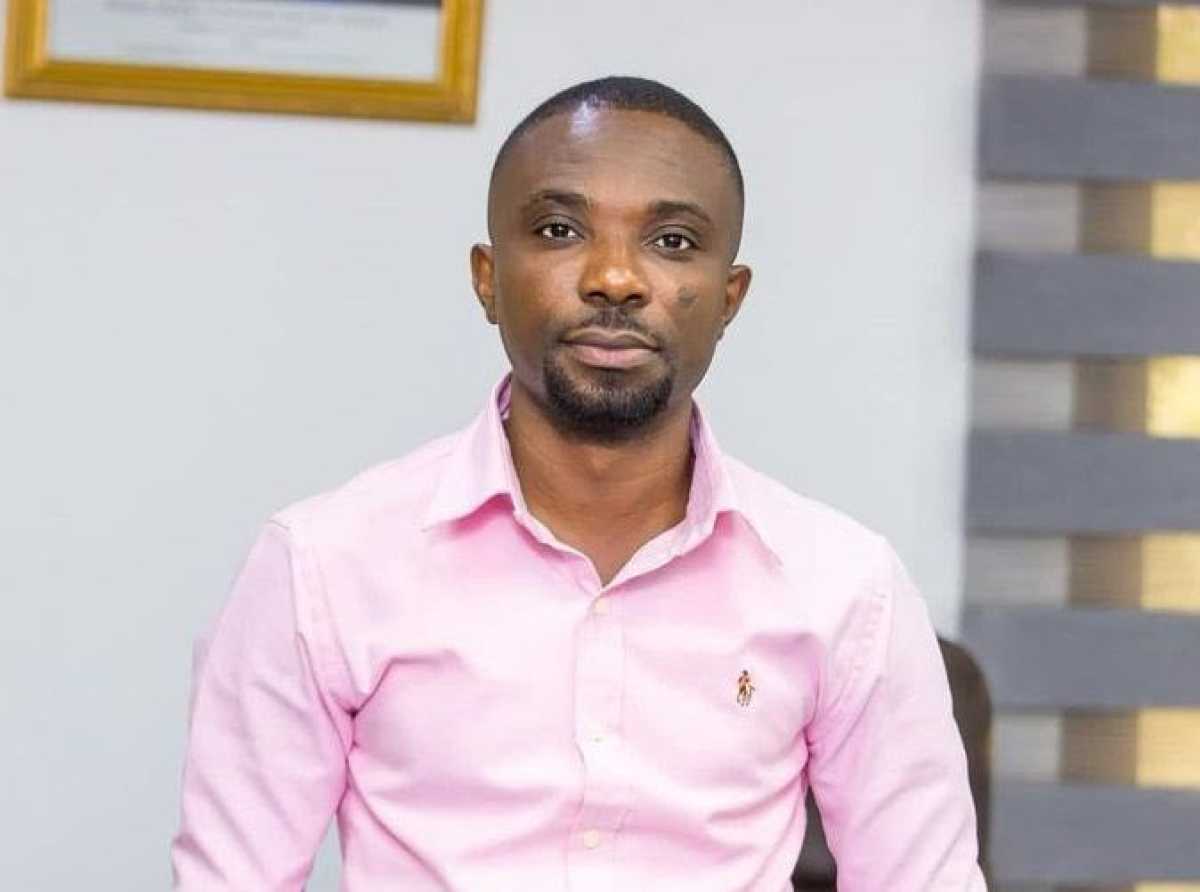
Aspiring Communications Director of the New Patriotic Party (NPP), Dennis Miracles Aboagye, has criticized the National Democratic Congress (NDC) government, arguing that the cost of living in Ghana has increased since the party assumed office in 2024 despite official claims of economic recovery.
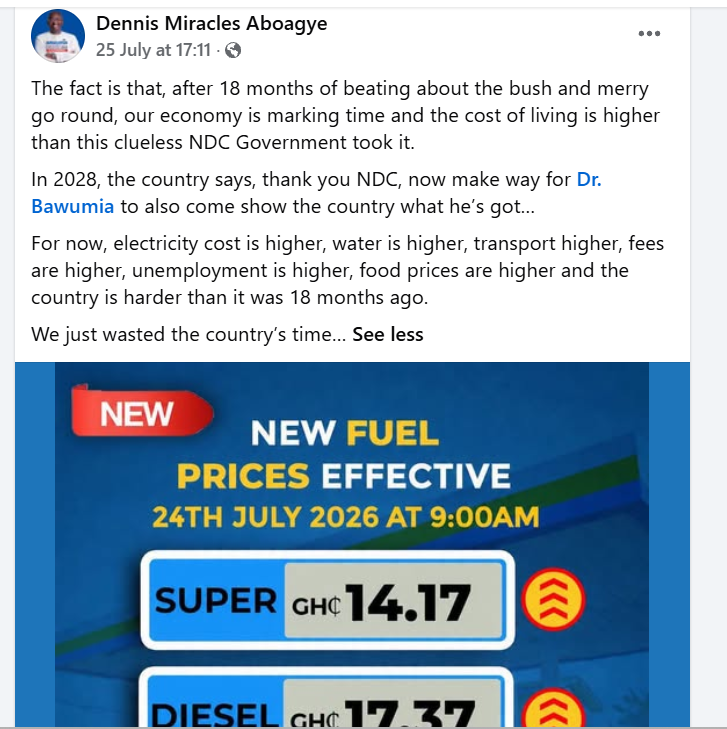
In a Facebook post, Mr. Aboagye contended that ordinary Ghanaians are facing greater financial hardship, pointing to rising costs of essential goods and services, increasing unemployment, and higher food prices.
His remarks come shortly after Finance Minister Dr. Cassiel Ato Forson presented the 2026 Mid-Year Budget Review to Parliament, where he highlighted improvements in key macroeconomic indicators and expressed confidence in the country's economic direction.
According to Mr. Aboagye, households across the country are paying more for basic necessities than they did when the NDC took over government from the NPP.
He argued that electricity tariffs, water bills, transportation fares, school fees, and food prices have all increased over the past 18 months, making life more difficult for many Ghanaians.
The NPP communicator also claimed that unemployment remains high, adding that the economic challenges facing citizens contradict the government's narrative of sustained recovery.
"The fact is that, after 18 months of beating about the bush and merry-go-round, our economy is marking time and the cost of living is higher than this clueless NDC Government took it," he wrote.
He further stated that Ghanaians would eventually seek a change in leadership during the next general election, expressing confidence that former Vice President Dr. Mahamudu Bawumia would have another opportunity to lead the country.
"In 2028, the country says, thank you NDC, now make way for Dr. Bawumia to also come show the country what he's got. For now, electricity cost is higher, water is higher, transport is higher, fees are higher, unemployment is higher, food prices are higher, and the country is harder than it was 18 months ago. We just wasted the country's time," he added.
Mr. Aboagye's comments follow the presentation of the 2026 Mid-Year Budget Review by Finance Minister Dr. Cassiel Ato Forson, who maintained that the government's economic programme is producing positive results.
Addressing Parliament on Thursday, July 23, Dr. Forson said the implementation of the 2026 Budget remains firmly on course, with Ghana meeting its fiscal targets for the first half of the year.
According to the Finance Minister, the country's macroeconomic performance has improved significantly due to prudent fiscal management and disciplined economic policies.
He noted that Ghana remains on track to achieve its end-of-year fiscal deficit target of 1.5 percent of Gross Domestic Product (GDP).
"The 2026 Budget is firmly on track. Ghana has achieved its targets for the first half of the year 2026 and is on track to achieve our end-year target of 1.5% of GDP," Dr. Forson told Parliament.
The Finance Minister also pointed to the recent reduction in the Bank of Ghana's policy rate to 14 percent, describing it as a positive development for businesses and investors.
According to him, lower borrowing costs are expected to encourage private sector investment by making credit more affordable for businesses seeking to expand their operations.
He further highlighted the relative stability of the Ghana cedi and renewed investor confidence as additional signs that the economy is recovering.
Dr. Forson argued that improvements across major macroeconomic indicators—including inflation, exchange rate stability, and fiscal performance—reflect sound economic management and growing confidence in Ghana's economic outlook.
The differing views from the government and the opposition underscore the ongoing debate over Ghana's economic performance.
While the government points to stronger macroeconomic indicators, fiscal discipline, and improving investor confidence as evidence of recovery, opposition figures argue that many households continue to face high living costs and economic pressures.
The debate is expected to remain a central issue in Ghana's political discourse as both the governing NDC and the opposition NPP continue to present contrasting assessments of the country's economic direction ahead of future elections.

Aikines Anyomi

News
Food
Politics
Technology
About Us
Download Our Mobile App

