
Ghana’s recovery must deliver jobs, higher incomes – Ato Forson
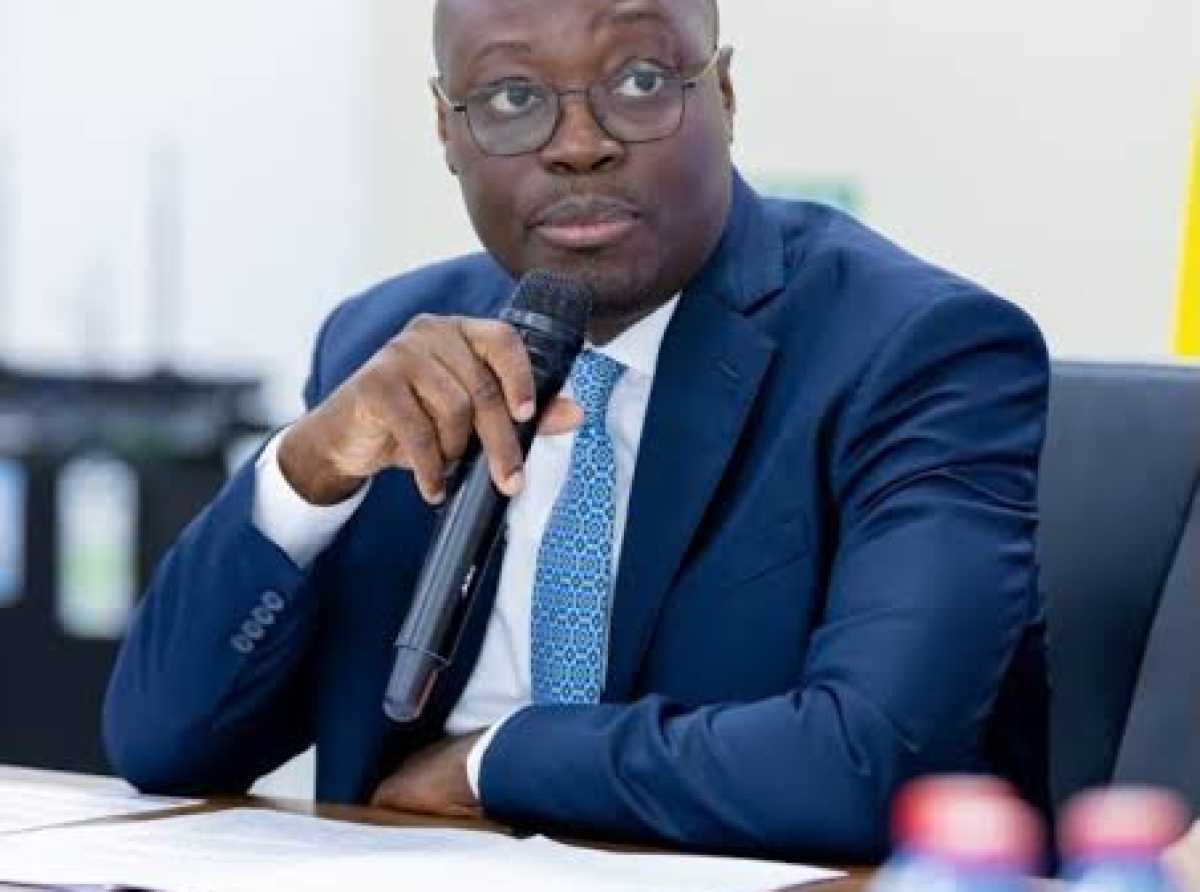
Finance Minister Dr Cassiel Ato Forson has said Ghana’s economic recovery must translate into decent jobs, higher household incomes and stronger domestic production, stressing that restoring macroeconomic stability is only the first step in the government’s economic agenda.
Speaking during an engagement with faculty and students at the University of Ghana, Dr Forson said the next phase of the government’s economic reforms, which he describes as the “New Economy,” must convert the sacrifices made to stabilise the economy into tangible benefits for citizens.
He acknowledged progress in rebuilding economic confidence, pointing to declining inflation, a return of investor confidence and efforts to manage debt pressures.
However, he cautioned that these improvements would have limited meaning if they failed to improve living conditions and create economic opportunities for Ghanaians.
“Ghana has fought hard to restore stability. Inflation has come down. Confidence is returning. Debt pressures are being managed. The economy is recovering. But recovery is not enough,” he said.
Dr Forson said the government’s priority is now to expand domestic production, attract investment, grow exports and create decent jobs capable of improving household incomes.
“Stability must now become production, exports, investment, decent jobs and higher incomes. That is the central purpose of the New Economy,” he added.
The Finance Minister explained that the vision is to build an economy that produces more of what it consumes while increasing the value derived from its agricultural and mineral resources.
The approach is also intended to create decent employment on a scale that can improve livelihoods and broaden economic opportunities across the country.
By strengthening local production and value addition, the government aims to reduce dependence on imported goods while supporting the growth of businesses and industries capable of competing in domestic and international markets.
Under the New Economy agenda, public investment is expected to play a key role in creating conditions that encourage private-sector expansion.
Dr Forson’s outlined approach places emphasis on using public investment to create opportunities for businesses to invest, expand their operations and employ more workers.
The shift signals a move from the immediate task of restoring macroeconomic stability towards strengthening the productive capacity of the economy.
However, the success of the strategy will depend on whether improved economic conditions lead to stronger business activity, higher productivity, increased exports and sustainable job creation.
For households, the central measure of progress will be whether the recovery results in better incomes, more secure employment and improved living standards.
Dr Forson stressed that the ultimate objective of the government’s economic programme is to ensure that the gains from stabilisation reach the people who endured the sacrifices associated with restoring economic stability.
He indicated that economic recovery must go beyond improved macroeconomic indicators to deliver practical benefits for workers, businesses and households.
The New Economy, he said, must build a Ghana that “turns the sacrifices of stabilisation into real benefits for the Ghanaian people.”
His remarks underline the government’s stated ambition to move from economic stabilisation towards a growth model driven by production, investment, exports and employment.

Aikines Anyomi

News
Food
Politics
Technology
About Us
Download Our Mobile App

