GH¢250m for NIA cards a misplaced priority, redirect into maternal healthcare – PAC to NHIA
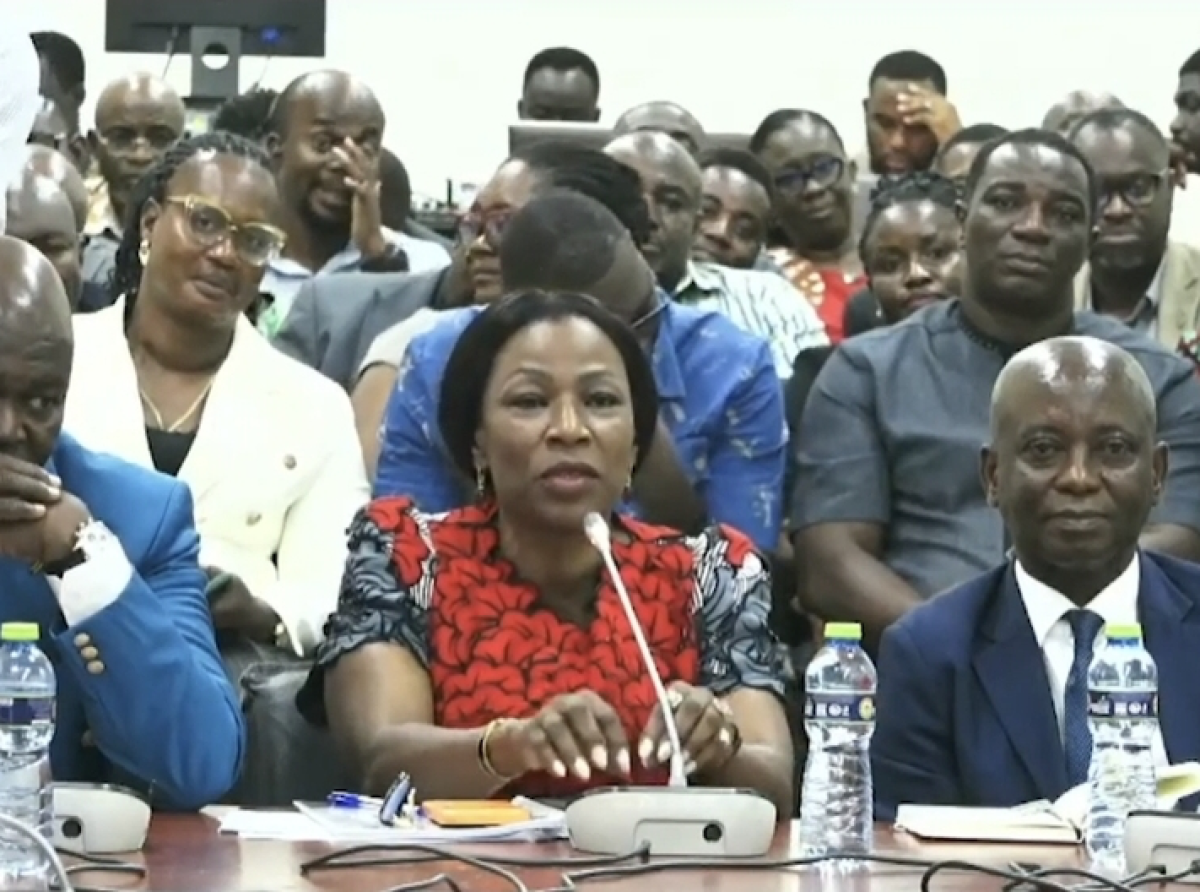
The Public Accounts Committee (PAC) has expressed concern over the National Health Insurance Authority’s (NHIA) allocation of GH¢250 million to the National Identification Authority (NIA) for the procurement of Ghana Cards, arguing that similar financial support should be extended to maternal healthcare programmes.
The allocation was initially proposed in 2024, when the NHIA planned to provide GH¢245 million to fund the procurement of Ghana Cards for children aged six to 14.
During a recent engagement with the Committee, NHIA management confirmed that the commitment had been fulfilled, prompting concerns among members about the Authority’s spending priorities amid growing calls for increased funding to reduce maternal deaths.
Chairperson of the PAC, Abena Osei-Asare, questioned why the NHIA had provided substantial funding for the identification cards when the NIA could finance the exercise through its own revenue-generating activities.
“Last week, we sat here when NHIA told us that they gave GH¢250 million to the NIA to buy cards, when NIA on their own can buy these cards, because they charge for every card that is made. So these are some of the interventions we want to see,” she said.
Ms Osei-Asare argued that if the NHIA could make GH¢250 million available to support the production of three million Ghana Cards, it should also be able to allocate resources to address critical maternal healthcare needs.
“If NHIA can make space of GH¢250 million for NIA to buy three million cards, they should be able to make the same for maternal healthcare,” she stated.
She assured the Committee that it would push for dedicated funding for maternal healthcare during the upcoming budget period, particularly to support interventions introduced at the primary healthcare level.
According to her, such funding could help reduce preventable maternal deaths and improve outcomes for pregnant women across the country.
Ghana continues to face challenges in reducing maternal mortality, with institutional maternal deaths increasing from 779 in 2016 to 955 in 2025, according to the Ghana Health Service.
The institutional maternal mortality ratio also rose from 109.22 in 2023 to 110 in 2024, highlighting persistent gaps in the delivery of maternal healthcare services.
Excessive bleeding, pregnancy-related hypertension, delayed referrals and weaknesses in emergency care remain among the major causes of concern. Shortages of blood, essential medicines and critical-care equipment can further complicate efforts to save women experiencing life-threatening complications during pregnancy and childbirth.
In response to these challenges, the government launched the five-year Presidential Initiative on Maternal Health Emergency Response (PRIMER) on September 14, 2026.
The initiative seeks to strengthen emergency referrals, improve transportation, address staffing needs and ensure access to essential medical supplies, with the broader objective of reducing preventable maternal and newborn deaths.
Deputy Minister of Health Dr Grace Ayensu-Danquah has also called for increased government support and dedicated funding for maternal healthcare to address preventable deaths among pregnant women.
Speaking before the Public Accounts Committee, she warned that Ghana could struggle to meet its 2030 maternal health targets without sustainable domestic financing.
Dr Ayensu-Danquah has further advocated the inclusion of critical maternal healthcare services under the National Health Insurance Scheme (NHIS).
The proposed coverage includes intensive care, oxygen, blood supplies and specialist medical interventions needed to manage severe complications during pregnancy and childbirth.
Greater financial support, she indicated, would improve access to emergency obstetric services and strengthen the health system’s capacity to respond to complications.
The PAC’s concerns add to growing calls for the government and relevant health institutions to prioritise maternal healthcare funding as Ghana intensifies efforts to reduce maternal mortality and improve the quality of care available to women.

Aikines Anyomi
News
Food
Politics
Technology
About Us
Download Our Mobile App

