
BoG proposes new rules to ensure banks can always pay customers when they need their Money
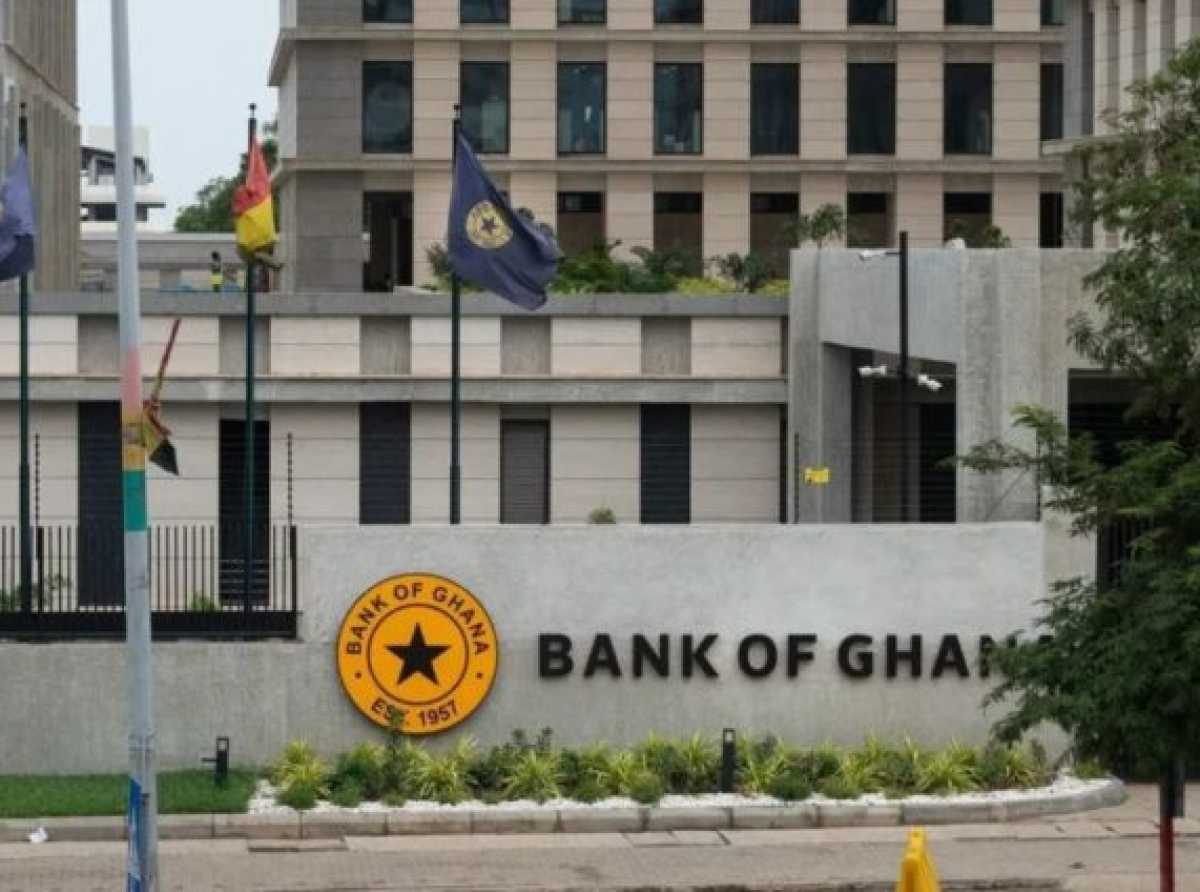
The Bank of Ghana (BoG) has proposed a new regulatory requirement that would compel banks to maintain sufficient high-quality liquid assets to cover their projected net cash outflows over a 30-day period of financial stress.
The proposal is contained in the Liquidity Coverage Ratio (LCR) Directive, 2026, an exposure draft published by the central bank on October 9, 2026, for consultation with the banking industry and the general public.
In a notice published on its website, the BoG said the consultation was being conducted in accordance with its Procedures for Issuance of Directives, 2020. Interested stakeholders have until November 30, 2026, to submit their comments.
Under the proposed framework, banks would be required to maintain a Liquidity Coverage Ratio of at least 100 per cent, ensuring that their eligible, unencumbered high-quality liquid assets are sufficient to cover projected net cash outflows over the next 30 calendar days under prescribed stress conditions.
The requirement is intended to strengthen banks’ capacity to withstand sudden funding pressures, meet short-term financial obligations and remain resilient during periods of significant market-wide or institution-specific stress.
According to the draft directive, the framework would also help reduce the risk of liquidity problems at individual banks spreading across the wider financial system and economy.
The Liquidity Coverage Ratio measures a bank’s ability to meet its short-term liquidity needs during a period of financial stress.
Under the proposed directive, the ratio would be calculated by dividing a bank’s stock of eligible high-quality liquid assets by its total net cash outflows projected over the next 30 calendar days.
The assets used to meet the requirement must be capable of being converted into cash quickly, with little or no loss of value. They must also be free from restrictions that could prevent the bank from accessing them during a period of financial pressure.
The draft identifies cash, qualifying balances held with the Bank of Ghana and eligible government securities among the assets that may count towards the liquidity buffer.
Other securities may also qualify, subject to specified eligibility conditions and regulatory discounts, commonly known as haircuts.
These requirements are intended to ensure that banks maintain liquid resources they can realistically access when facing unexpected withdrawals or difficulties securing funding.
The proposed directive also sets limits on the composition of banks’ high-quality liquid asset buffers.
Under the draft framework, Level 2 assets would be capped at 40 per cent of the total stock of high-quality liquid assets, while Level 2B assets would be limited to 15 per cent.
These restrictions are intended to ensure that banks’ liquidity buffers contain a sufficient proportion of assets that can be readily converted into cash during periods of stress.
Banks would also be expected to assess potential cash outflows arising from several sources, including deposit withdrawals, reduced access to wholesale funding, maturing financial obligations and customers drawing on previously committed credit facilities.
The draft further requires banks to conduct their own liquidity stress tests. These assessments would include scenarios that are more severe than the minimum supervisory requirement and situations extending beyond the prescribed 30-day period.
The approach would require banks to look beyond routine liquidity forecasts and consider how their financial positions might be affected by prolonged or unexpected funding disruptions.
The Bank of Ghana has proposed September 1, 2027, as the effective date for the new directive.
Under the draft, banks would be required to align their internal policies, operational processes and systems with the provisions by August 31, 2027.
The proposal also provides for a one-year pilot period following publication of the directive, during which banks would submit quarterly reports to the central bank using prescribed templates.
Monthly reporting would be required after the pilot period.
The reporting arrangements are intended to help the regulator monitor banks’ liquidity positions, assess compliance and identify potential vulnerabilities within the banking system.
The proposed implementation timeline would give banks a period to prepare for the new requirements, including reviewing their asset portfolios, liquidity forecasting systems and internal risk management procedures.
However, the final implementation arrangements will depend on the directive adopted by the central bank after the consultation process.
The BoG has invited banks, financial industry participants and other interested stakeholders to review the exposure draft and submit comments before the directive is finalised.
Submissions must be sent by email to
The central bank has indicated that it will consider all material comments received and provide written explanations outlining how the submissions were addressed, including whether they were incorporated into the final directive.
The consultation gives stakeholders an opportunity to raise concerns about the proposed requirements, identify potential implementation challenges and recommend adjustments before the rules take effect.
Feedback from the industry could help inform the final framework, particularly regarding the practical implications for banks’ liquidity management, asset allocation and regulatory reporting.
The proposed Liquidity Coverage Ratio requirement forms part of the Bank of Ghana’s broader regulatory efforts to strengthen liquidity risk management and improve resilience across the banking sector.
According to the exposure draft, the directive is intended to complement the Liquidity Risk Management Directive, 2026, and the Liquidity Monitoring Tools Directive, 2026.
Together, the measures would establish quantitative liquidity requirements alongside monitoring tools designed to help the central bank assess the financial positions and risk exposures of banks.
While the proposed LCR would establish a minimum benchmark for short-term liquidity buffers, its implementation could require banks to review their treasury operations, asset allocation strategies, liquidity forecasting and regulatory reporting systems.
Banks may also need to reassess the balance between holding readily available liquid assets and deploying funds for lending and other financial activities. The extent of any adjustments would depend on the final requirements and how individual institutions currently manage their liquidity positions.
The proposed directive therefore represents a significant development in Ghana’s banking regulation, with the final framework expected to influence how banks prepare for and respond to periods of financial stress.
The consultation process will determine how stakeholder feedback informs the final rules ahead of the proposed September 2027 implementation date.

Aikines Anyomi

News
Food
Politics
Technology
About Us
Download Our Mobile App

