Ghana now handles approximately 40% of Burkina Faso’s petroleum transit, up from 15% two years ago, highlighting the country’s growing importance as a transit route for fuel supplies to its landlocked neighbour.
_thumbnail.jpg)
Ghana now handles approximately 40% of Burkina Faso’s petroleum transit, up from 15% two years ago, highlighting the country’s growing importance as a transit route for fuel supplies to its landlocked neighbour.
The National Petroleum Authority (NPA) has expressed its commitment to strengthening collaboration with the University of Mines and Technology (UMaT) to promote innovation, technical training and professional development in Ghana’s downstream petroleum industry.

The Ghana Gold Board (GoldBod) has purchased 1.8 tonnes of unrefined gold from large-scale mining companies over the past two months as part of efforts to expand local refining and strengthen Ghana’s gold reserves.

The Social Security and National Insurance Trust (SSNIT) has disbursed GH¢6.71 billion in benefits to members and beneficiaries as of September 2026, reaffirming its commitment to providing financial security for workers and pensioners across Ghana.
The Ghana Gold Board (GoldBod) has announced plans to end the country’s export of raw minerals by 2030, as part of efforts to increase local value addition and ensure Ghana derives greater economic benefits from its mineral resources.

The Importers and Exporters Association of Ghana (IEAG) has called on Finance Minister Dr Cassiel Ato Forson to convene an emergency stakeholder meeting to address persistent shipping delays, container transfer disruptions and rising operational costs at the Tema Port.
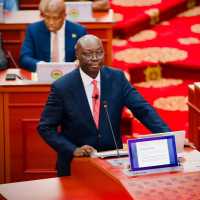
The Minister of Energy and Green Transition, Dr John Abdulai Jinapor, has pledged to lead inter-ministerial engagements to resolve outstanding land acquisition, compensation and financing issues delaying the development of Ghana’s Petroleum Hub.
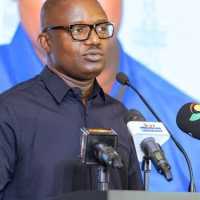
President John Dramani Mahama has announced plans to phase out exports of unprocessed mineral ores by 2030 as part of efforts to promote local processing, accelerate industrialisation and retain more economic value from Ghana’s natural resources.
_thumbnail.jpg)
The Minister for Lands and Natural Resources, Emmanuel Armah-Kofi Buah, has assured mining investors of clear regulations, fair administration and a stable investment environment as Ghana undertakes reforms to ensure citizens receive a fairer share of the wealth generated from the country’s mineral resources.
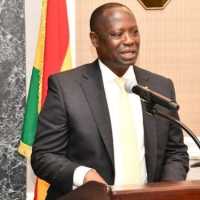
The Ministry of Labour, Jobs and Employment has called for stronger retirement protection for health sector workers, stressing that their welfare must extend beyond salaries and conditions of service to include adequate and secure pension benefits.
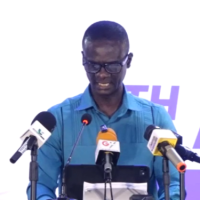
The Chief Executive Officer of the National Petroleum Authority (NPA), Godwin Kudzo Tameklo, Esq., has been named Petroleum Regulatory CEO of the Year at the 2026 Africa Public Sector Conference and Awards (APSCA).

In Ghana’s demanding energy sector, where efficiency, transparency and strategic leadership are essential, Edudzi Tameklo, Chief Executive Officer of the National Petroleum Authority (NPA), has earned recognition from supporters who regard him as a symbol of professionalism, humility and effective public service.

Ghana’s crude oil production has increased by approximately 30% in 2026, reversing five consecutive years of decline, Minister for Energy and Green Transition John Abdulai Jinapor has announced.