OMCs commence fuel price reviews; Star Oil sells petrol at GH¢14.97, diesel kept at GH¢16.97
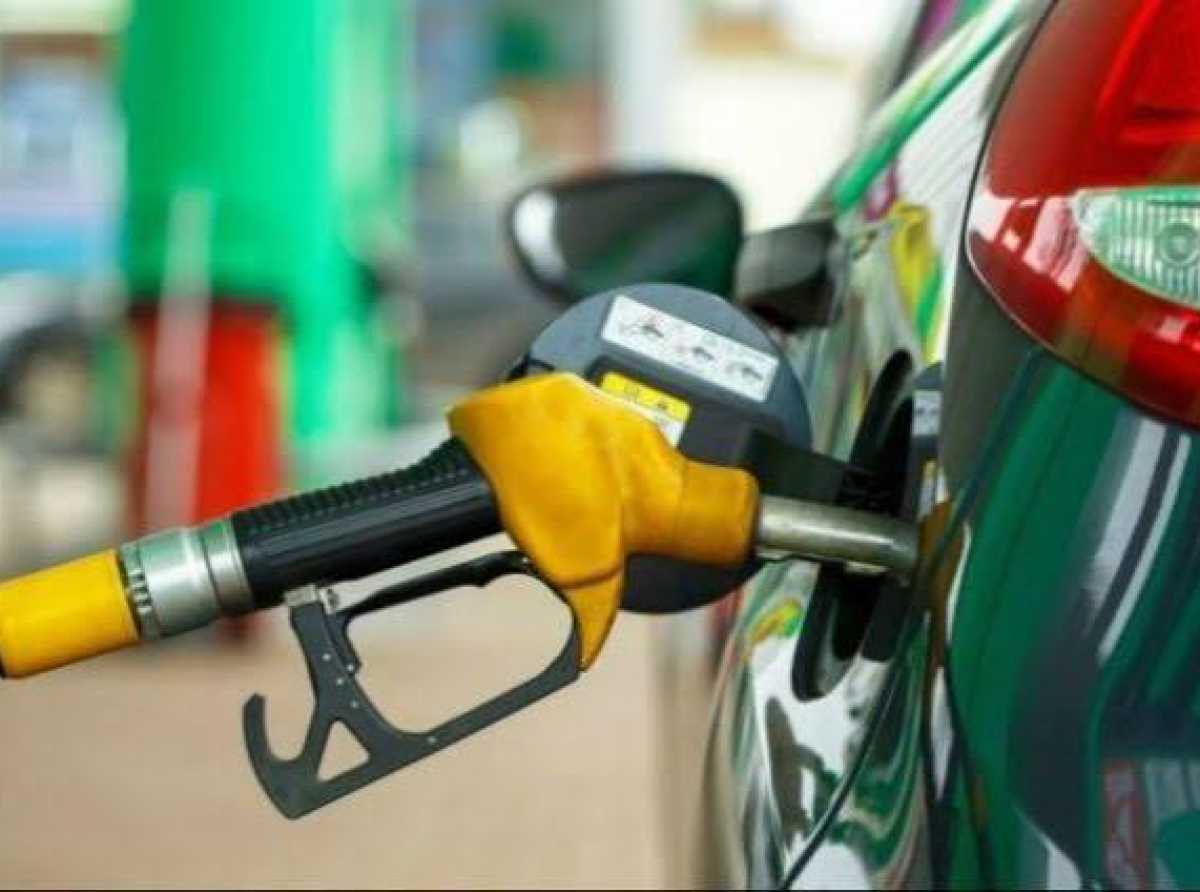
Some Oil Marketing Companies (OMCs) in Ghana have begun reviewing the prices of petroleum products at their service stations as the second pricing window for August 2026 takes effect.
Star Oil has become one of the first major OMCs to adjust its prices, reducing the price of petrol from GH¢15.49 to GH¢14.97 per litre.
The reduction took effect on Monday, August 17, 2026, following the latest changes in the petroleum pricing window.
Despite the reduction in petrol prices, Star Oil has maintained the price of diesel at GH¢16.97 per litre.
Checks by Joy Business at various fuel stations showed that several major OMCs had not yet adjusted their pump prices as of Monday morning.
The market leader, GOIL, had not reviewed its prices at the time of the checks, while TotalEnergies was also selling petroleum products at its existing prices across its service stations.
However, some OMCs indicated that their prices could still be reviewed later in the day.
Industry players explained that the absence of an immediate price adjustment does not necessarily mean that companies will maintain their current prices throughout the pricing window.
The latest developments follow the National Petroleum Authority (NPA) setting new price floors for the second pricing window of August.
For the period August 16 to August 31, 2026, the NPA has set the minimum price at:
- Petrol: GH¢13.92 per litre
- Diesel: GH¢15.19 per litre
The price floor represents the minimum benchmark below which petroleum products are not expected to be sold at retail outlets during the pricing window.
Despite the new benchmarks, there are indications that several OMCs could continue selling fuel above the NPA's price floor.
Star Oil's decision to reduce petrol prices brings its pump price closer to the NPA's benchmark, although the company's new price remains GH¢1.05 above the price floor.
For diesel, Star Oil's GH¢16.97 per litre price is GH¢1.78 above the NPA's minimum benchmark.
The varying pump prices reflect the competitive nature of Ghana's downstream petroleum market, where OMCs determine their retail prices based on factors including international crude oil and refined petroleum product prices, exchange rate movements, taxes, levies and other operational costs.
Motorists and consumers will therefore be watching closely to see whether other major OMCs follow Star Oil's lead and reduce their prices during the latest pricing window.
Further price reviews could emerge as companies assess market conditions and their respective cost structures.

Aikines Anyomi

News
Food
Politics
Technology
About Us
Download Our Mobile App

