
Fidelity Bank financed five power projects, pioneered agency banking – Edward Effah
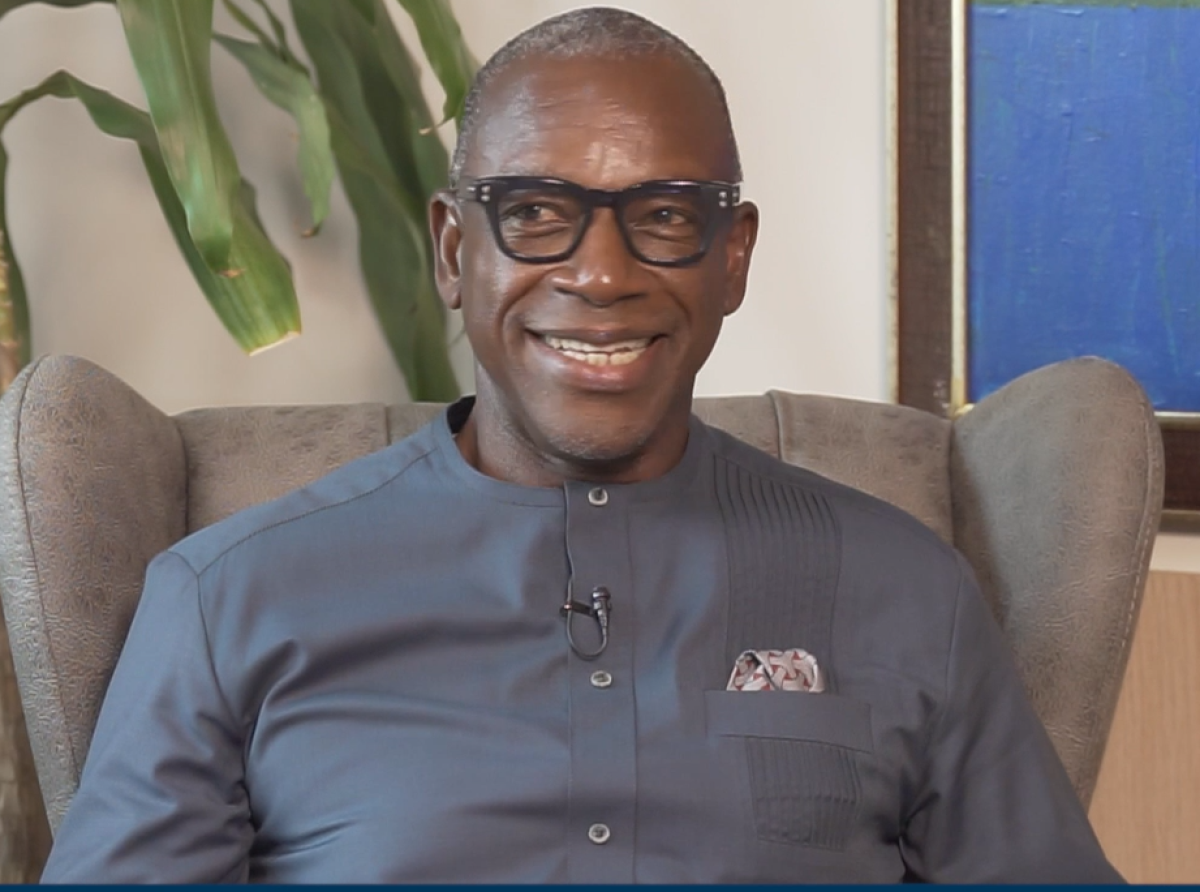
Founder of Fidelity Bank, Edward Effah, says the bank has contributed significantly to Ghana’s power, housing and financial inclusion sectors through its financing of major projects over the past two decades.
He said the bank’s investments and initiatives had been guided by its founding purpose of supporting Ghana’s socio-economic development and transforming lives.
Speaking in an interview with Bernard Avle on Channel One TV’s The Point of View on Monday, November 9, 2026, Mr Effah said Fidelity Bank had financed five power projects, serving as the lead bank and arranging syndicated financing facilities for the transactions.
“We have financed more power than any other bank or maybe even the rest of the banking sector put together. We finance five power projects,” he said.
Mr Effah also highlighted the bank’s involvement in the housing sector, citing its financing of developments such as Manet Village, Manet Cottage on the Spintex Road and Villagio Vista.
He said Fidelity Bank served as the lead bank for the Villagio Vista development, among other housing projects.
Beyond financing property developments, the bank introduced mortgage products designed to help individuals acquire homes and spread payments over an agreed period.
According to Mr Effah, these interventions form part of the bank’s broader contribution to expanding access to housing finance in Ghana.
On financial inclusion, the Fidelity Bank founder said the institution pioneered agency banking in Ghana in 2012, providing customers with access to basic banking services through agents operating from locations such as pharmacies and small retail shops.
He said the model had since expanded to approximately 7,000 agents nationwide, enabling the bank to serve customers in communities where establishing conventional branches may not be commercially viable.
“We started agency banking in about 2012, and today we have 7,000 agents across the country,” he said.
Mr Effah explained that the agents serve as important access points for customers who live far from traditional bank branches, helping extend banking services to underserved communities.
Mr Effah said Fidelity Bank had taken its development role seriously, particularly because of its position as one of Ghana’s major locally owned banks.
He maintained that the institution was established with a clear commitment to contribute to national development while improving the lives of individuals and communities.
“When we set up Fidelity, we set out clearly that we wanted to have a purpose, and that purpose was to contribute towards Ghana’s socio-economic development, to inspire and transform lives,” he added.

Aikines Anyomi

News
Food
Politics
Technology
About Us
Download Our Mobile App

