Ghana seeks upstream oil recovery through $3.5bn investment commitments
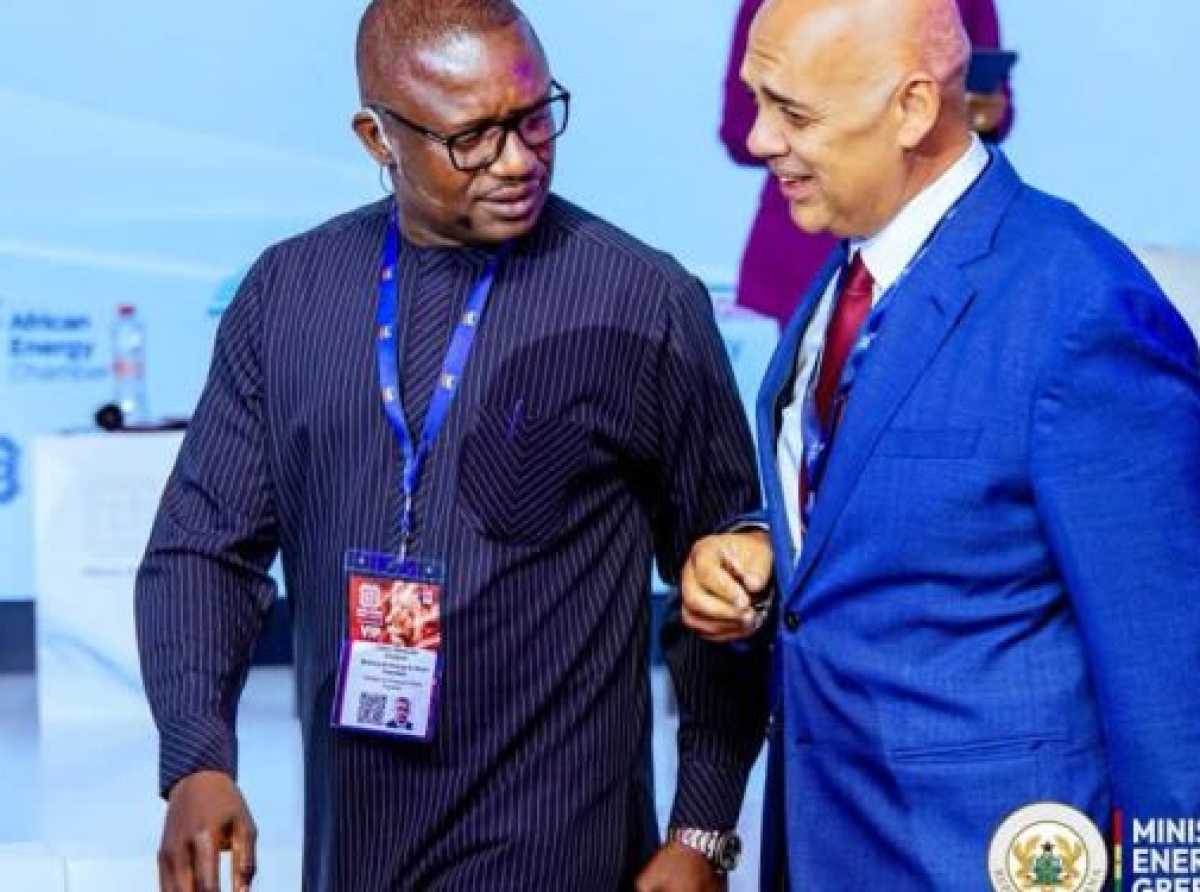
The Minister for Energy and Green Transition, Dr John Jinapor, has announced that Ghana has secured $3.5 billion in investment commitments aimed at expanding upstream petroleum operations and drilling new wells as the government intensifies efforts to revitalise the oil and gas sector and restore investor confidence.
Dr Jinapor disclosed this during a fireside chat at the opening ceremony of African Energy Week, where he discussed Ghana’s petroleum investment prospects with Kosmos Energy Chief Executive Officer Andrew Inglis and African Energy Chamber Executive Chairman NJ Ayuk.
The minister said the government was working to attract fresh capital into the upstream petroleum industry through sustained engagement with investors, alongside legal and fiscal reforms designed to create a more competitive, predictable and business-friendly investment climate.
He stressed that the reforms were intended to encourage investment while protecting Ghana’s national interests.
According to Dr Jinapor, the government’s approach was already producing encouraging results, reflected in the reported investment commitments and positive developments in crude oil production.
He said the next priority was to maintain the momentum, attract additional investment and increase local participation in the petroleum industry.
The government also intends to deepen domestic value addition across the oil and gas value chain to ensure that investments generate broader economic benefits for Ghana.
Dr Jinapor emphasised that revitalising the upstream sector was essential to sustaining petroleum production, supporting economic activity and strengthening the country’s position as an investment destination.
A key component of the government’s strategy is the expansion of local refining capacity to enable more of Ghana’s crude oil to be processed domestically.
Dr Jinapor said increasing the country’s capacity to refine crude oil locally could stimulate industrial activity, create employment opportunities and improve national energy security.
Greater domestic processing could also help Ghana retain more value from its petroleum resources rather than relying heavily on exporting crude oil and importing refined petroleum products.
The minister maintained that attracting investment must go hand in hand with policies that strengthen local industry and ensure that the benefits of petroleum production extend beyond the companies operating in the sector.
Dr Jinapor commended President John Dramani Mahama for providing strategic direction and support to the energy sector, describing sustained government attention as important to attracting investment, promoting economic growth and advancing national development.
He said the government remained committed to creating an environment in which private investors could operate with greater confidence while Ghana safeguarded its interests and maximised the value of its natural resources.
The minister reiterated that the broader objective was to translate Ghana’s petroleum resources into lasting economic benefits, including employment, industrial development and shared prosperity.
The $3.5 billion in reported investment commitments represents a key part of the government’s efforts to strengthen the upstream petroleum industry, encourage new drilling activities and improve the sector’s contribution to the national economy.

Aikines Anyomi

News
Food
Politics
Technology
About Us
Download Our Mobile App

