GoldBod earned over $10bn from gold exports in 2025 – Deputy Finance Minister
Ghana’s Gold Board (GoldBod) generated more than $10 billion in export revenue from gold produced by the artisanal and small-scale mining (ASM) sector in 2025, a development government says played a crucial role in strengthening the country's foreign exchange reserves and supporting the appreciation of the Ghana cedi.
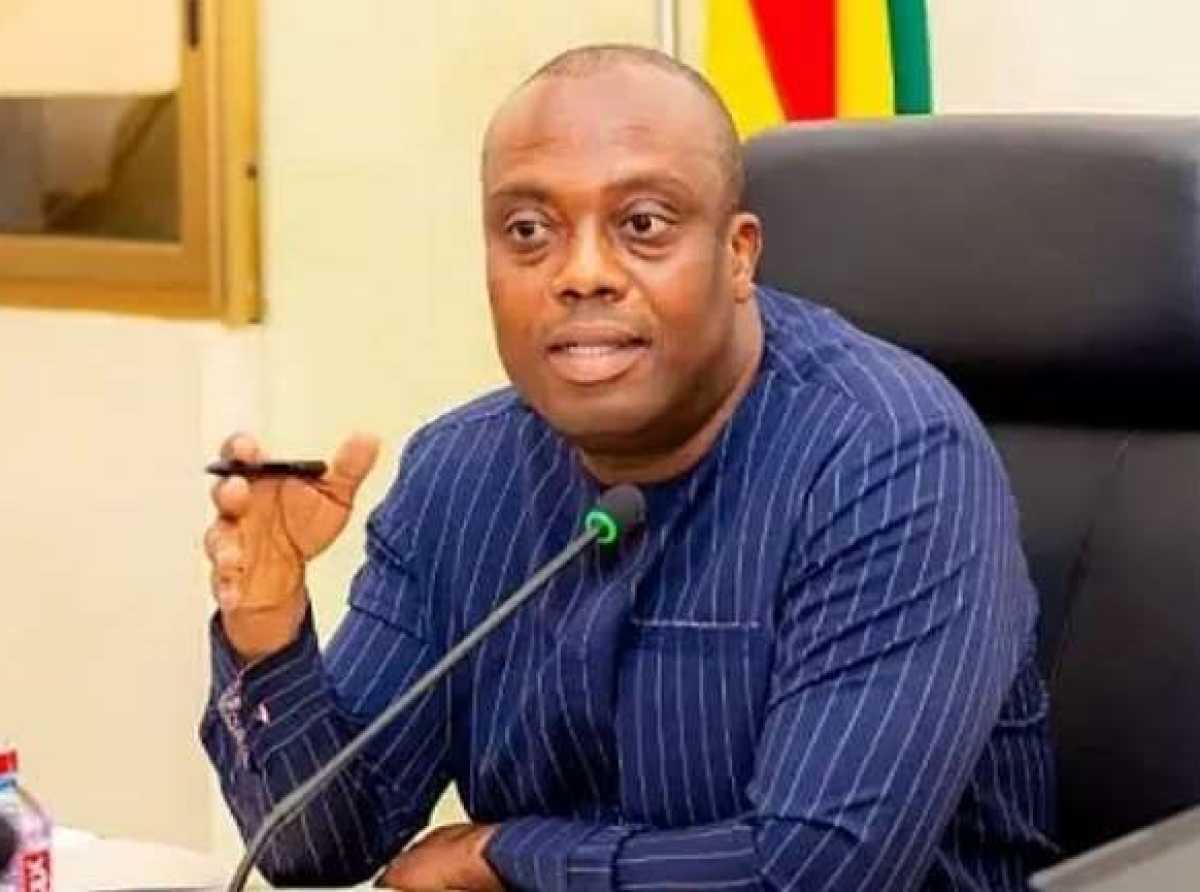
The disclosure was made by Deputy Minister for Finance, Thomas Nyarko Ampem, during a parliamentary session on Wednesday, June 24, 2026, where he highlighted the growing impact of reforms in Ghana’s gold sector on the broader economy.
According to the Deputy Minister, GoldBod purchased, aggregated, and exported a total of 104 metric tonnes of gold sourced from small-scale miners during the 2025 calendar year, generating foreign exchange earnings in excess of $10 billion.
Addressing lawmakers, Mr. Ampem described the performance of GoldBod as one of the most significant achievements in Ghana’s mineral sector in recent years.
“Last year, 2025, the Gold Board cumulatively purchased, aggregated and exported ASM gold totaling 104 metric tonnes, which generated in excess of 10 billion United States dollars for the country,” he stated.
The Deputy Minister noted that the revenue generated through gold exports has become a major source of foreign exchange inflows, helping to stabilize the economy amid ongoing efforts to strengthen macroeconomic fundamentals.
The Gold Board, established as part of government reforms in the gold sector, is tasked with purchasing and aggregating gold from licensed small-scale miners before exporting it through regulated channels.
Mr. Ampem told Parliament that the foreign exchange generated through GoldBod's operations contributed significantly to the remarkable performance of the Ghana cedi in 2025.
According to him, the local currency appreciated by approximately 41 percent against the U.S. dollar during the year, a development he partly attributed to increased forex inflows from gold exports.
“This singular achievement of the Gold Board was critical in the appreciation of the Ghana cedi by about 41 percent against the U.S. dollar in 2025 and in increasing foreign reserves from about $8.98 billion in December 2024 to $13.8 billion by the end of December 2025,” he said.
The substantial increase in reserves, he explained, has strengthened Ghana’s external position and enhanced the country’s ability to meet international financial obligations.
The Deputy Finance Minister also revealed the scale of investment made by GoldBod in acquiring gold from miners across the country.
He disclosed that between January 2025 and May 2026, the Board spent approximately $16.1 billion on gold purchases, reflecting the government's commitment to building a robust and transparent gold aggregation system.
Of that amount, approximately $9.8 billion was expended during the 2025 calendar year alone.
“From January 2025 to May 2026, the Gold Board expended approximately $16.1 billion on the purchase of gold, of which $9.8 billion was used between January and December 2025,” Mr. Ampem explained.
The investment, he said, has enabled GoldBod to secure larger volumes of gold for export while ensuring that miners receive fair value for their production.
The Deputy Minister emphasized that the establishment and expansion of GoldBod form part of a broader strategy to reform Ghana's gold industry and maximize national benefits from the country's mineral resources.
He noted that previous systems allowed significant quantities of gold to be smuggled out of the country, resulting in lost revenue and reduced foreign exchange earnings.
According to him, the government's new approach seeks to ensure that gold produced within Ghana is properly accounted for, processed through regulated channels, and converted into tangible economic benefits for citizens.
“The bigger policy point is that government is deliberately shifting Ghana from a regime where gold wealth was dispersed, underpriced and smuggled through the Gold Board. We have a regime where gold is transparently aggregated, assayed, refined, exported and turned into foreign exchange and reserves for the Republic, with visible and tangible benefits for the entire country,” he told Parliament.
Government officials believe ongoing reforms in the mining and gold export sectors will continue to strengthen revenue generation, improve transparency, and boost investor confidence.
The enhanced role of GoldBod is also expected to help formalize the artisanal and small-scale mining sector, which remains a major contributor to Ghana’s gold production.
With global gold prices remaining relatively strong, authorities are optimistic that continued investment in the sector will further support foreign exchange inflows, strengthen reserves, and contribute to long-term economic stability.
The latest figures underscore the growing importance of gold exports to Ghana’s economy and highlight the central role GoldBod is playing in transforming the country's mineral wealth into measurable economic gains.

Aikines Anyomi

News
Food
Politics
Technology
About Us
Download Our Mobile App

