Govt made critical intervention to avert erratic power supply - Deputy Energy Minister
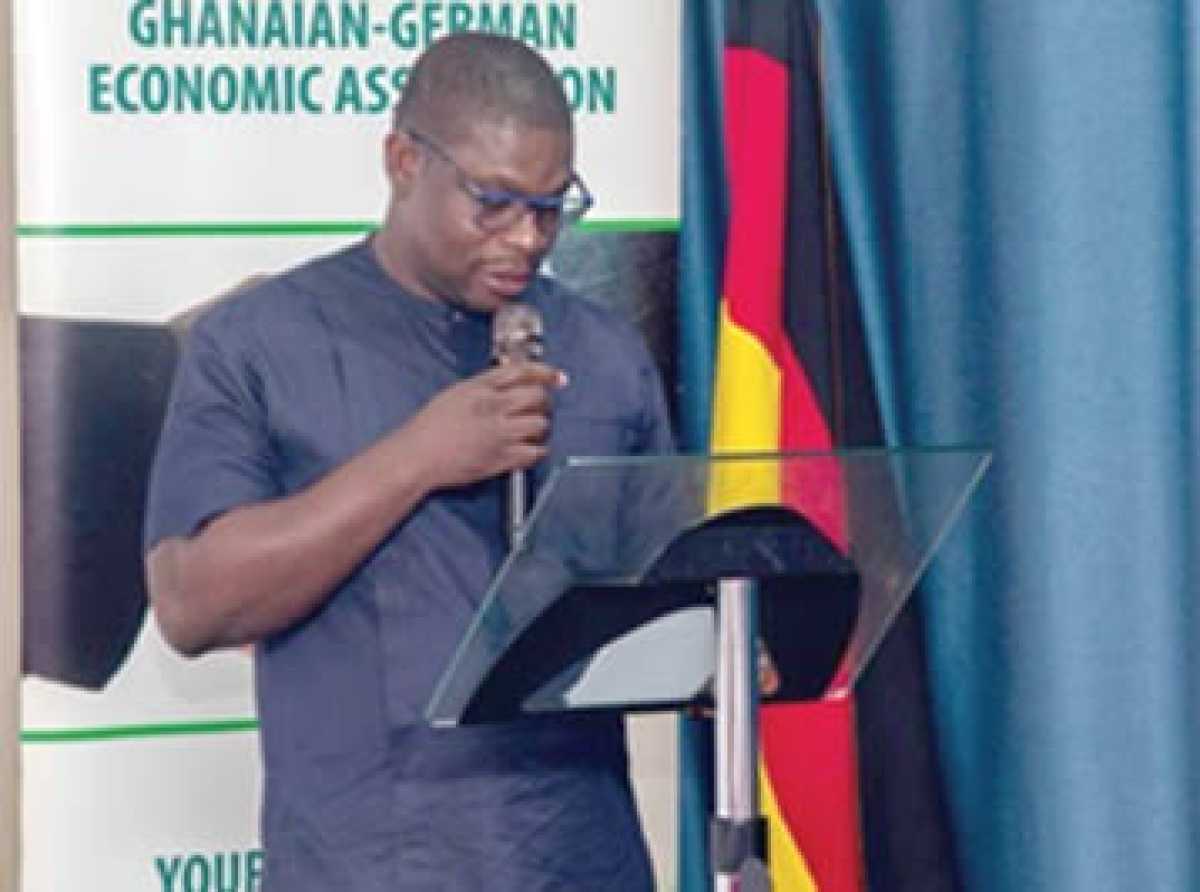
The Deputy Minister for Energy and Green Transition, Richard Gyan-Mensah, has highlighted Ghana's recent progress in stabilising its energy sector, revealing that the government has settled more than US$1.4 billion in legacy energy sector debts over the past 18 months while implementing key reforms aimed at improving electricity reliability and long-term sustainability.
According to the Deputy Minister, strong financial frameworks, sound technical systems and effective collaboration among stakeholders remain essential for building resilient and sustainable energy sectors across Africa.
Speaking on Ghana's energy sector reforms, Mr. Gyan-Mensah said the Mahama administration has undertaken several strategic interventions since assuming office to restore confidence in the country's power sector and strengthen its financial health.
Among the key achievements, he listed:
- Settlement of more than US$1.4 billion in legacy energy sector debts.
- Restoration of the US$500 million World Bank guarantee for the Sankofa Gas Project.
- Strengthening of the Cash Waterfall Mechanism to improve revenue distribution across the energy value chain.
He explained that these reforms have played a crucial role in stabilising electricity supply and preventing disruptions that could negatively affect households and businesses.
Mr. Gyan-Mensah noted that the financial restructuring measures have significantly improved the operational stability of Ghana's energy sector.
According to him, the interventions have helped avert erratic electricity supply while enhancing the reliability of power delivered to domestic consumers, commercial enterprises and industrial users.
He stressed that maintaining a financially sustainable energy sector is fundamental to supporting Ghana's economic growth and industrialisation agenda.
Providing an update on electricity generation, the Deputy Minister disclosed that Ghana currently has more than 5,000 megawatts (MW) of installed generation capacity, with a dependable capacity exceeding 4,700MW.
He also noted that electricity generation from solar energy has continued to increase as the country expands its renewable energy portfolio.
Mr. Gyan-Mensah encouraged the Electricity Company of Ghana (ECG) and the Northern Electricity Distribution Company (NEDCo) to sustain efforts aimed at improving electricity access, strengthening grid stability and enhancing service delivery nationwide.
The Deputy Minister emphasised that digitalisation and the adoption of advanced technologies will play an increasingly important role in improving the efficiency of Africa's energy sector.
He said modern digital systems can help reduce operational costs, improve electricity reliability, optimise power generation and support the transition toward cleaner and more sustainable energy systems.
According to him, embracing innovation will enable African countries to build more resilient electricity networks capable of meeting growing demand.
Mr. Gyan-Mensah said Ghana is prepared to collaborate with other African countries by sharing its experiences in energy sector financing, technical operations and policy reforms.
He added that Ghana also remains committed to learning from successful energy models across the continent to further strengthen its own power sector.
"Ghana is ready to share experience, technical knowledge and finance models that have guaranteed its power sector sustainability, while also learning from sister countries."
He stressed that greater cooperation among African nations will be essential to achieving universal energy access, improving electricity reliability and accelerating the continent's transition to sustainable energy.

Aikines Anyomi

News
Food
Politics
Technology
About Us
Download Our Mobile App

