
NPA Boss Monitors 24-Hour Economy Pilot as Petroleum Depots Report Higher Productivity
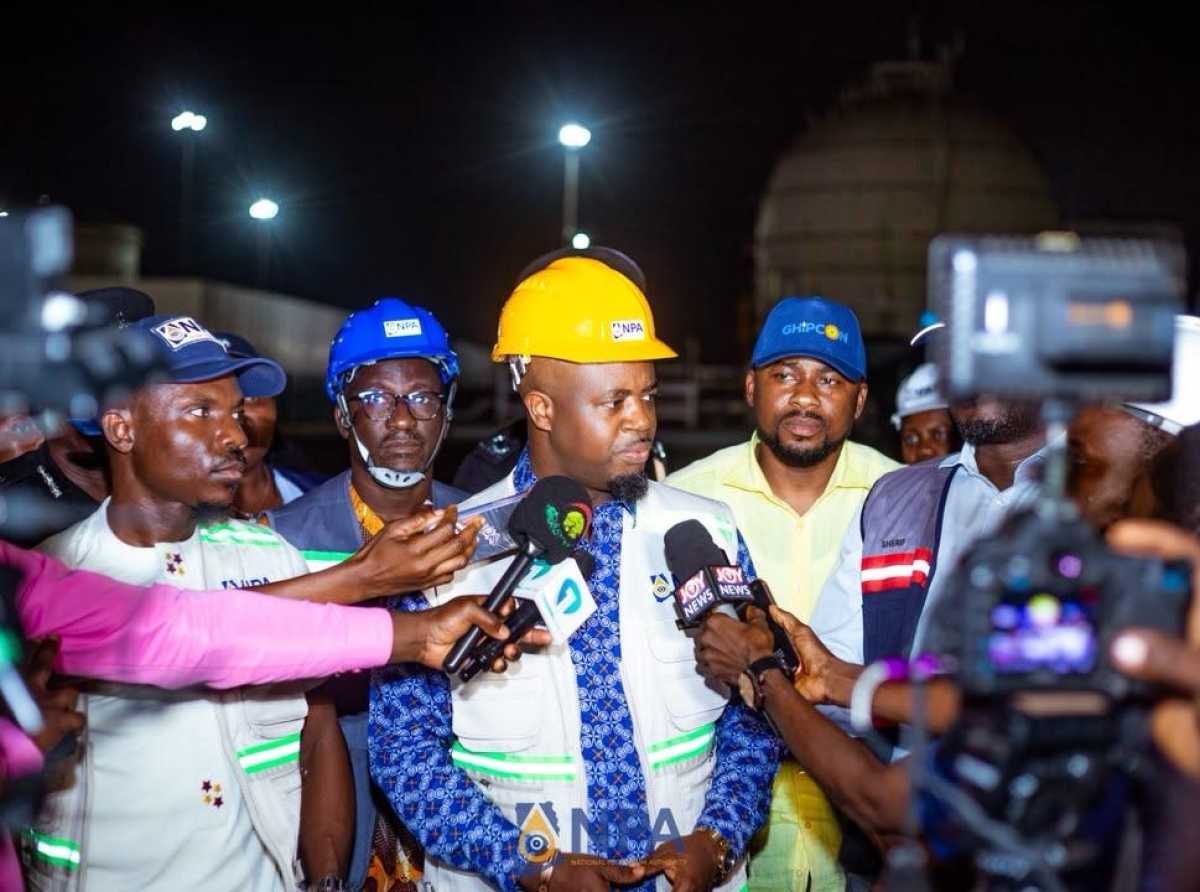
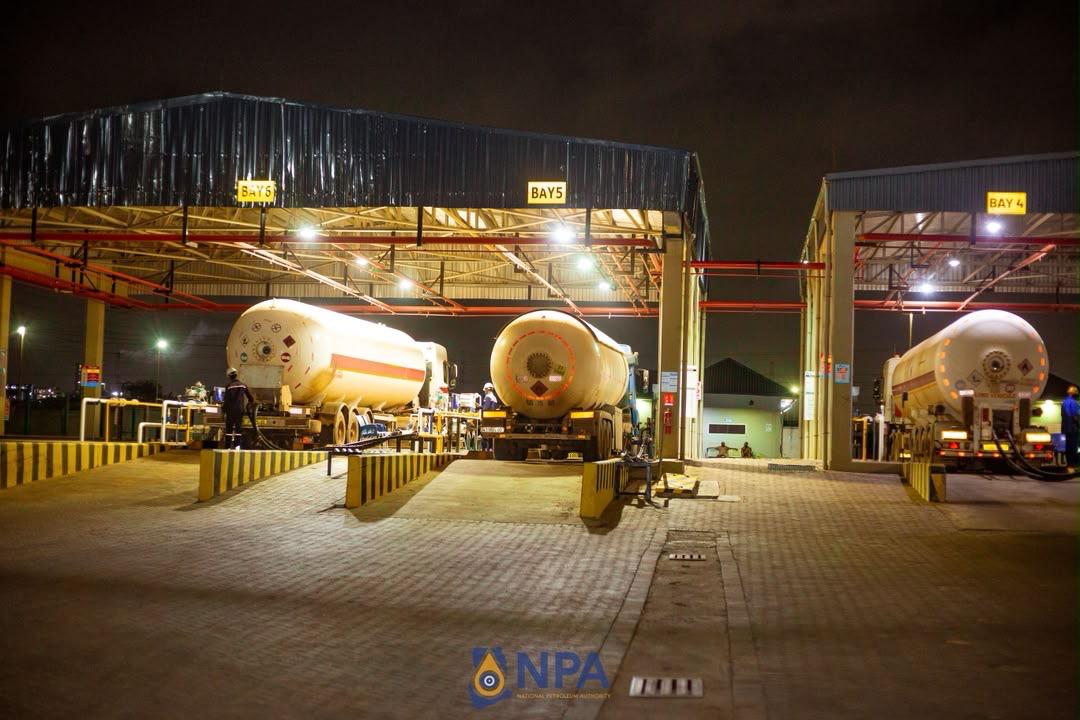
The Chief Executive of the National Petroleum Authority (NPA), Godwin Kudzo Tameklo, Esq., has toured petroleum depots in Tema to assess the implementation of the pilot phase of the government's 24-Hour Economy Programme within Ghana's downstream petroleum sector.
The late-night inspection formed part of efforts to evaluate how the initiative is improving productivity, employment, fuel distribution and service delivery while identifying areas requiring further investment before the programme is expanded nationwide.
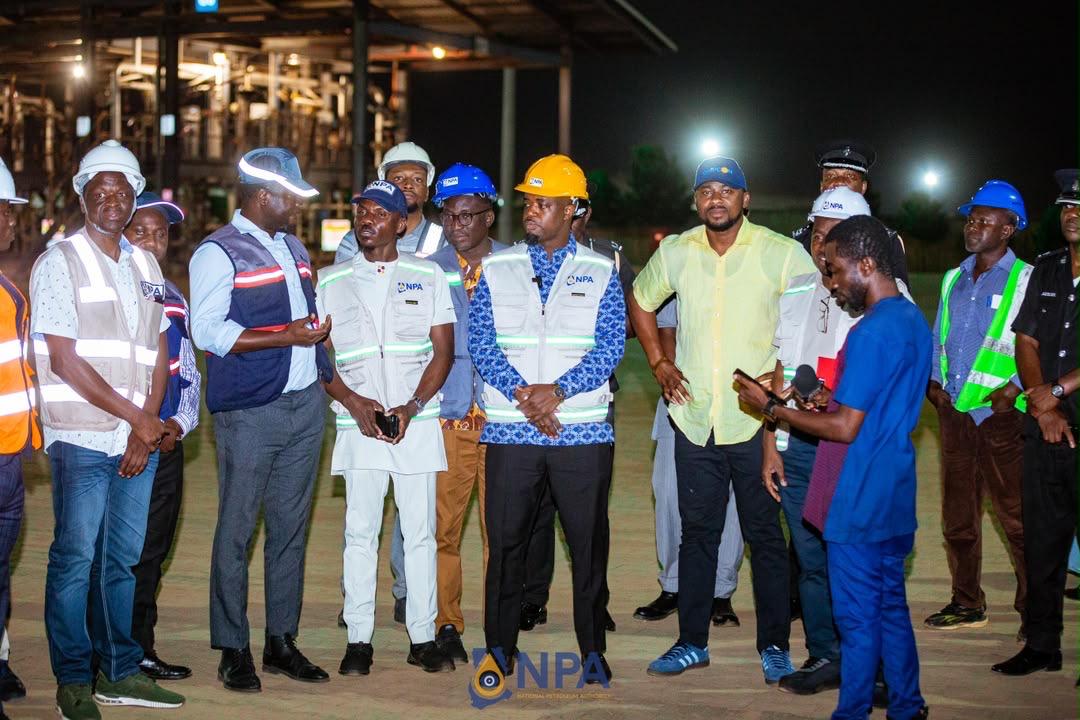
Mr Tameklo led a high-powered delegation that included officials from the 24 Hour Economy Authority, the Ghana Police Service, the National Security Council Secretariat, the Ghana Revenue Authority (Customs Division), the Chamber of Bulk Oil Distributors (CBOD) and senior management of the National Petroleum Authority.
Members of the delegation included:
- Roland Azuguvu, Lead for Energy at the 24 Hour Economy Authority.
- ACP Benjamin Ania, Director for the 24-Hour Programme at the Ghana Police Service.
- DCOP Asiedu, Tema Regional Police Commander.
- Air Commodore Francis Ayamba, National Security Council Secretariat liaison for the programme.
- Directors of the National Petroleum Authority.
- Representatives of the Chamber of Bulk Oil Distributors (CBOD).
- Officials from the Customs Division of the Ghana Revenue Authority.
The team engaged depot operators and staff to evaluate progress and discuss measures to maximise the benefits of extended operating hours.
Management of the participating petroleum depots told the delegation that the pilot programme has already produced positive results.
According to operators, since the commencement of the pilot phase they have experienced:
- Increased operating hours.
- Expanded workforce.
- Introduction of additional work shifts.
- Higher petroleum throughput.
- Increased product volumes.
- Improved revenue generation.
The operators described the programme as a significant boost to operational efficiency and business performance.
Despite the encouraging results, depot operators identified infrastructure improvements that they believe are necessary to sustain the initiative.
Among the key concerns raised were:
- Improved lighting around operational facilities.
- Enhanced security arrangements during overnight operations.
Officials acknowledged the concerns and indicated that stakeholder engagement would continue to address operational challenges as the programme evolves.
The current pilot phase of the 24-Hour Economy Programme covers a significant section of Ghana's downstream petroleum industry.
It includes:
- 247 retail fuel outlets.
- 11 petroleum depots.
- 2 oil refineries.
The pilot is designed to assess the feasibility of continuous operations while evaluating infrastructure readiness, workforce capacity, security arrangements and regulatory compliance.
Government also intends to use the exercise to generate data on:
- Employment creation.
- Revenue growth.
- Consumer demand.
- Service delivery improvements.
- Operational efficiency.
The findings are expected to guide the nationwide implementation of the programme.
Speaking after the monitoring exercise, Mr Tameklo described the early results as encouraging and said they demonstrate that round-the-clock operations can successfully transform Ghana's downstream petroleum industry.
The downstream petroleum sector has demonstrated that the 24-Hour Economy is practical and achievable."
He said the increased productivity being recorded confirms the programme's potential to stimulate economic growth.
The increased throughput, expanded workforce, additional shift systems and improved productivity we have witnessed are clear indications that the initiative is already delivering tangible benefits for businesses and the national economy," Mr Tameklo stated.
He emphasised that the 24-Hour Economy Programme is a long-term national policy that will continue to be refined through stakeholder engagement and continuous improvement.
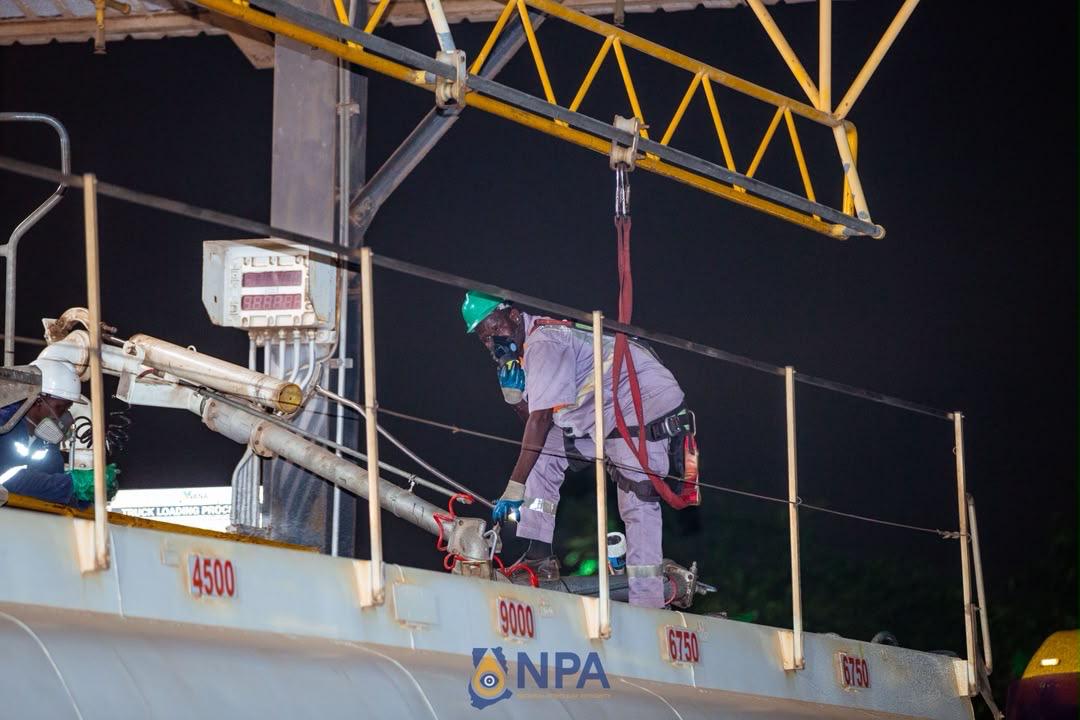
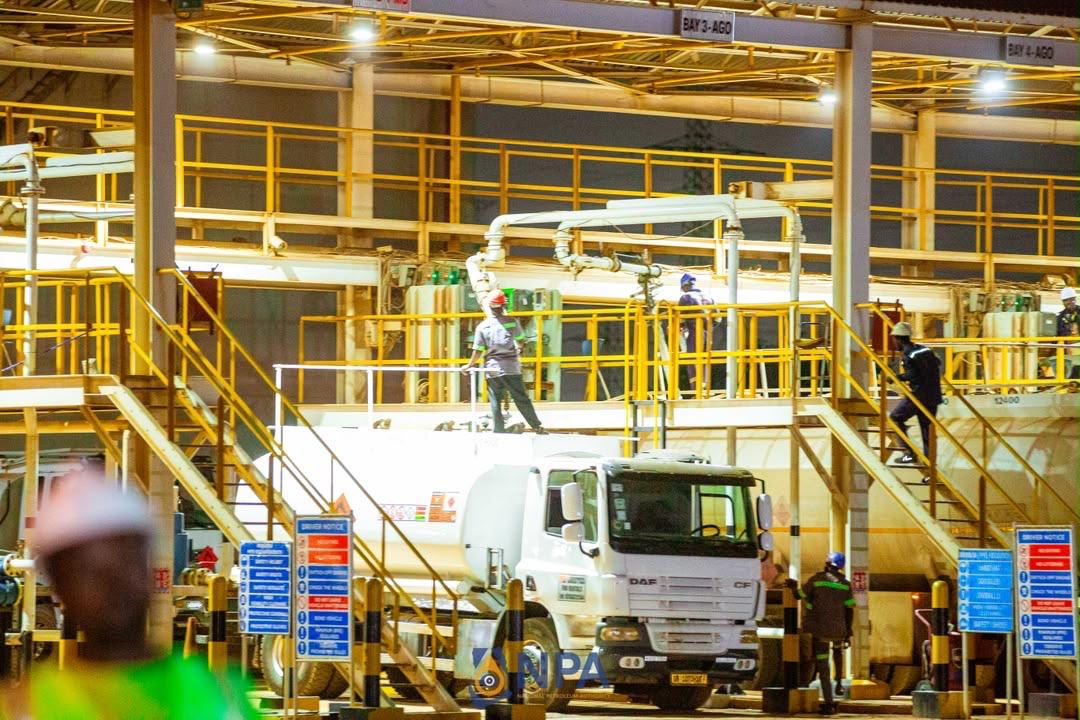
During the inspection, the delegation visited several major petroleum storage facilities in Tema, including:
- Petroleum Hub.
- Tema Fuel Company Limited (TFCL).
- VANA Energy.
- Quantum Oil and Gas Terminals.
The visits formed part of the National Petroleum Authority's ongoing efforts to ensure that participating facilities are adequately prepared to support expanded operations under the government's flagship economic initiative.
As implementation progresses, the government expects lessons from the pilot phase to shape the broader rollout of the 24-Hour Economy Programme across other strategic sectors of Ghana's economy.

Aikines Anyomi

News
Food
Politics
Technology
About Us
Download Our Mobile App

