NPA, UMaT to Strengthen Collaboration to Boost Ghana’s Downstream Petroleum Sector
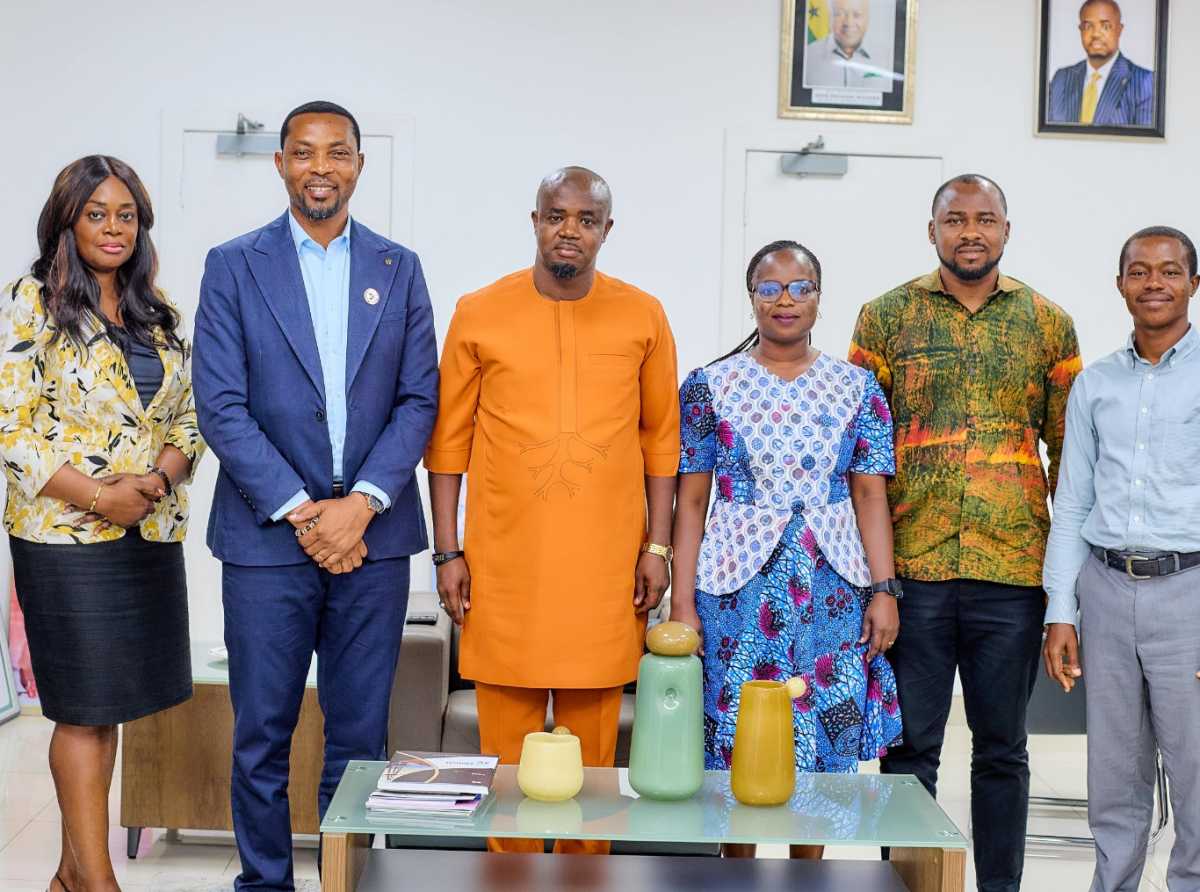
The National Petroleum Authority (NPA) has expressed its commitment to strengthening collaboration with the University of Mines and Technology (UMaT) to promote innovation, technical training and professional development in Ghana’s downstream petroleum industry.
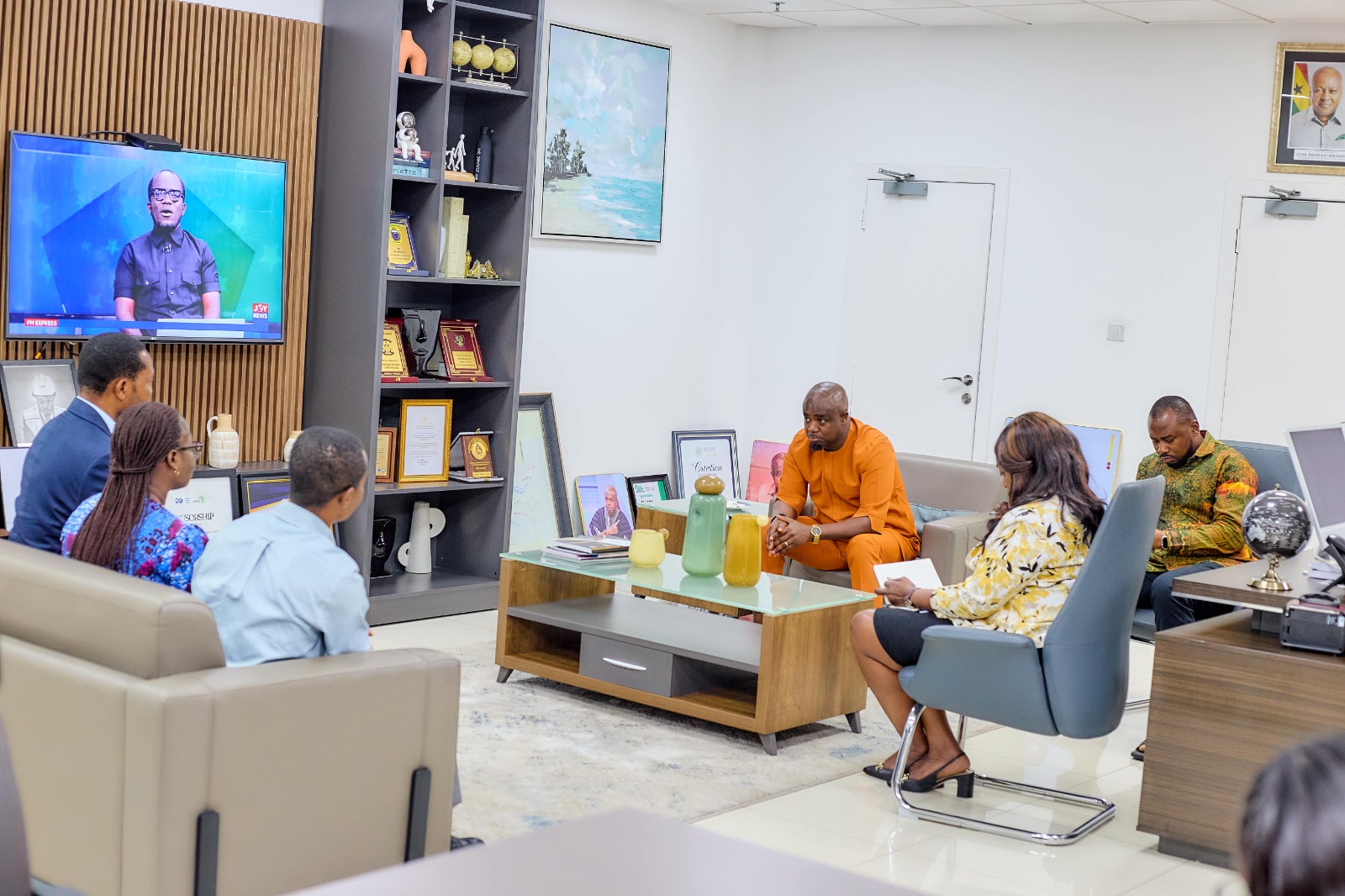
Chief Executive Officer of the NPA, Godwin Kudzo Tameklo, Esq., gave the assurance when a delegation from UMaT, led by the Dean of the School of Petroleum Studies, Professor Richard Amorin, paid a courtesy call on him on Tuesday, October 20, 2026.
The meeting focused on opportunities for cooperation between the two institutions, particularly in research, technical capacity development and practical training to support the growth of the downstream petroleum sector.
Mr Tameklo emphasised the important role academic institutions play in advancing the industry through research, innovation and the development of new approaches to addressing operational challenges.
“We would want to continue the engagement with academia because we strongly believe that it will propel the downstream industry, because what academia does is to come up with innovative ways of doing things,” he said.
He added that the NPA would explore the possibility of offering internship opportunities to UMaT students, particularly within the Authority’s technical departments.
According to him, such placements would give students practical exposure to the operations of the downstream petroleum industry and help them connect classroom learning with real-world experience.
“The Authority will also be looking at the possibility of offering some students of the University internship opportunities in some of the technical departments of the NPA, because sometimes it is good for the students to have first-hand opportunity to experience things for themselves,” Mr Tameklo stated.
In his response, Professor Richard Amorin thanked the NPA Chief Executive and his team for their willingness to engage with the university and explore opportunities for collaboration.
He expressed optimism that the discussions would lead to concrete initiatives that benefit both institutions and contribute to the development of the petroleum industry.
“We want to say thank you for having us and for having the openness to collaborate with us. We will relay this information to the Vice Chancellor, and hopefully we can firm up some of the discussions we have had going forward,” Professor Amorin said.
The delegation and NPA management also discussed several areas of potential cooperation aimed at strengthening technical expertise and improving the practical training available to students and professionals.
These included specialised training and secondment opportunities for UMaT teaching staff, the possible inclusion of the university in training programmes under the proposed NPA Centre of Excellence, and the potential retooling of a laboratory at UMaT as part of the centre’s development.
The proposals are intended to deepen knowledge-sharing between academia and industry while improving access to relevant technical facilities and professional development opportunities.
Both institutions expressed optimism that the engagement would pave the way for a formal partnership that bridges the gap between academic research and industry practice.
Closer cooperation could create opportunities for students and lecturers to gain practical industry experience while enabling the NPA to benefit from academic research, technical expertise and innovative solutions.
The discussions also align with broader efforts to strengthen local technical capacity and prepare skilled professionals to meet the evolving needs of Ghana’s downstream petroleum sector.
The NPA said it remained committed to building strong partnerships with academic institutions as part of its mandate to regulate, oversee and monitor the downstream petroleum industry.
Further engagement between the two institutions is expected to help determine how the proposed areas of cooperation can be developed into practical programmes.

Aikines Anyomi
News
Food
Politics
Technology
About Us
Download Our Mobile App

