
NPA Urges Fuel Dealers, Tanker Drivers to Comply With Regulations
_large.jpeg)
The National Petroleum Authority (NPA) has intensified efforts to strengthen regulatory compliance within Ghana's downstream petroleum sector by urging retail outlet operators and bulk road vehicle drivers to strictly adhere to industry regulations and operational standards.
The Authority warned that illegal practices such as sourcing petroleum products from unauthorised suppliers, operating without the required licences and permits, fuel siphoning and other illicit activities threaten fuel quality, undermine consumer confidence and damage the credibility of Ghana's petroleum industry.
Speaking at the second edition of the NPA Regional Downstream Compliance Workshop, the Director of Business Development at the NPA, Godwin Yaw Konu, stressed that the Authority would not hesitate to sanction and prosecute Petroleum Service Providers (PSPs) and their agents found engaging in unlawful petroleum-related activities.
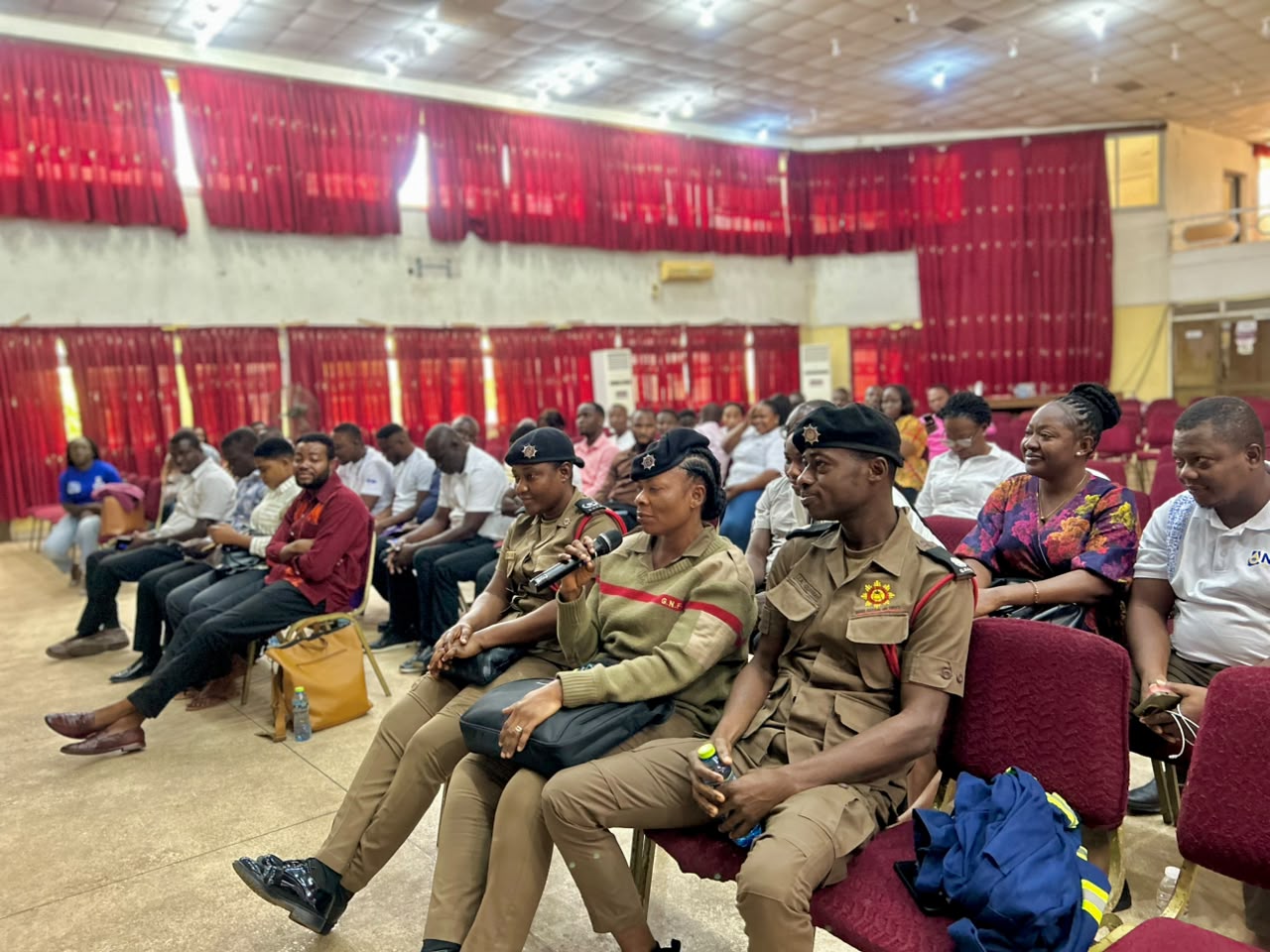
The workshop, organised by the NPA's Business Development Directorate, was held across the Central and Western Regions from June 30 to July 2, 2026.
The initiative brought together retail fuel dealers, tanker drivers and other stakeholders in the downstream petroleum value chain to deepen their understanding of regulatory requirements, discuss operational challenges and identify practical measures to improve compliance and service delivery.
According to Mr. Konu, the engagement forms part of the Authority's broader strategy to promote safety, accountability and professionalism across Ghana's petroleum distribution network.
Mr. Konu noted that the downstream petroleum industry remains a key contributor to Ghana's Gross Domestic Product (GDP) and plays a vital role in supporting economic growth and national development.
He said Petroleum Service Providers occupy an important position in the country's energy sector, making it essential for operators to comply with regulations designed to protect consumers and ensure the integrity of petroleum products.
The Director explained that continuous stakeholder engagement would help improve awareness of regulatory obligations while encouraging greater compliance throughout the petroleum value chain.
Addressing concerns arising from the recent heavy rains experienced in parts of the country, Mr. Konu urged fuel station operators to regularly inspect water levels in their underground storage tanks before dispensing fuel to customers.
He explained that excessive water infiltration could compromise fuel quality, potentially causing damage to customers' vehicles and exposing dealers to reputational damage and regulatory sanctions.
"Let's maintain the integrity of the petroleum products we offer to consumers. It will benefit all of us," he advised.
The Head of Security and Intelligence at the NPA, Isaac Djagbetey, warned fuel dealers against purchasing petroleum products from unauthorised depots.
He stressed that operators found violating the Authority's sourcing requirements would face sanctions in accordance with existing petroleum regulations.
Mr. Djagbetey also urged Petroleum Service Providers to refrain from supplying fuel for illegal mining (galamsey) operations, noting that the NPA remains committed to supporting national efforts to combat illegal mining and its environmental impact.
A Senior Manager in charge of Retail Outlets and Premix Sites at the NPA's Inspections, Monitoring and HSSE Directorate, Richard Apaloo, reminded fuel dealers to keep all regulatory licences, permits and operational documents up to date.
He said maintaining valid documentation would facilitate routine inspections and demonstrate compliance with statutory requirements governing petroleum retail operations.
The Head of Claims at the Unified Petroleum Price Fund (UPPF), Nana Afua Nuamah Bosumtwi, cautioned tanker drivers against interfering with vehicle tracking systems installed on bulk road vehicles.
She explained that tampering with tracking devices compromises operational transparency and could delay the processing of transport claims.
Drivers were also encouraged to submit all required transportation documents promptly to ensure the efficient processing of reimbursement claims.
Representatives from the Authority's Quality Assurance Directorate encouraged fuel dealers to maintain high product quality standards to protect consumers and prevent damage to vehicle engines.
Meanwhile, the Head of Data Analytics and Market Intelligence at the Consumer Services Directorate, Ing. Johnson Gbagbo Jnr, appealed to members of the public to promptly report suspected fuel under-delivery, poor product quality and other irregularities at filling stations.
He advised consumers to submit complaints to the NPA within 48 hours of an incident to enable timely investigations and appropriate regulatory action.
The workshop also featured technical sessions by officers of the Ghana National Fire Service (GNFS), who educated participants on fire prevention measures and conducted practical firefighting demonstrations to improve emergency preparedness at fuel stations.
Officials from the National Road Safety Authority (NRSA) also engaged tanker drivers on responsible road use, urging them to adopt defensive driving techniques, respect traffic regulations and prioritise the safety of other road users.
The NPA said it will continue organising stakeholder engagements across the country as part of efforts to enhance compliance, improve operational standards and strengthen safety within Ghana's downstream petroleum industry.

Aikines Anyomi

News
Food
Politics
Technology
About Us
Download Our Mobile App

