
TraffiTech-GH will face implementation challenges and may provoke public backlash
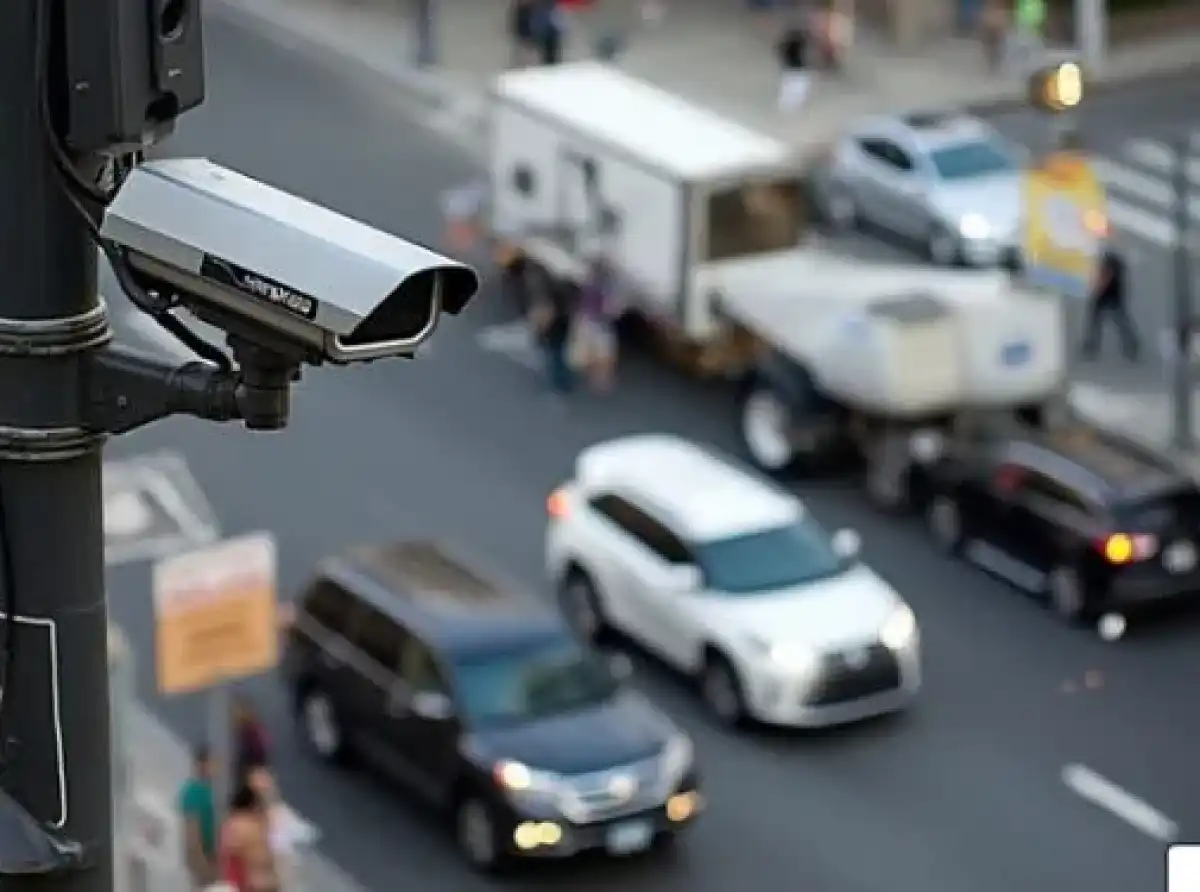
Policy analyst and civil society activist Dr Steve Manteaw has raised concerns about the rollout of Ghana’s TraffiTech-GH digital traffic enforcement system, warning that aspects of the legal framework could create implementation challenges and trigger public backlash.
Dr Manteaw described the law underpinning the system as “too elastic” and questioned restrictions that could affect drivers’ use of devices for navigation.
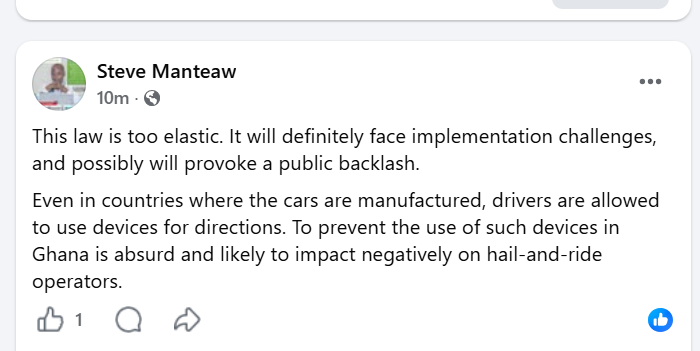
He argued that drivers in countries where vehicles are manufactured are permitted to use navigation devices to find directions.
“Even in countries where the cars are manufactured, drivers are allowed to use devices for directions. To prevent the use of such devices in Ghana is absurd and likely to impact negatively on hail-and-ride operators,” he wrote on Facebook.
His comments come as Ghana begins implementing the digital traffic enforcement system, which is initially focused on detecting speeding offences.
The Motor Traffic and Transport Department (MTTD) began rolling out TraffiTech-GH on November 1, 2026, using cameras to detect speeding and send electronic violation notices directly to vehicle owners.
MTTD Director of Education, Research and Training, ACP Alexander Kwaku Obeng, said preparations had been completed for the rollout, which will initially focus on locations identified as prone to road crashes.
“We are set, everything is ready, and we are taking off,” he said.
Under the system, cameras mounted in police vehicles and on tripods will capture vehicles exceeding prescribed speed limits. The MTTD will review the footage and send electronic notices by text message to phone numbers registered to vehicle owners.
The notices will identify the sender as GPS MTTD and include a link to video evidence of the alleged offence, showing details such as the date, time and location.
Vehicle owners will have 14 days to pay the prescribed fine or contest the offence in court, ACP Obeng said.
ACP Obeng explained that the system would allow police to collect evidence without necessarily stopping drivers, impounding vehicles or taking motorists to police stations and motor courts.
TraffiTech-GH will operate alongside existing manual enforcement measures. However, the department intends to reduce roadside arrests for speeding offences detected with handheld radar guns.
The MTTD has stressed that the digital system is specifically designed to address speeding and will not replace manual enforcement of other road traffic offences.
The initial enforcement thresholds are:
-
50 km/h in towns
-
90 km/h on highways
-
100 km/h on motorways
The rollout has also faced opposition from commercial transport operators, some of whom have threatened to suspend services over the implementation of the system.
ACP Obeng said the MTTD had engaged transport stakeholders and undertaken public education ahead of the launch.
He added that some operators had welcomed the digital approach because it could reduce the inconvenience associated with being arrested and taken to police stations or courts.
Dr Manteaw’s concerns, however, highlight questions about how the system’s rules will affect drivers who rely on navigation devices, particularly hail-and-ride operators.
As TraffiTech-GH becomes operational, debate is likely to continue over the balance between road safety enforcement, the practical needs of drivers and the clarity of the regulations governing the system.

Aikines Anyomi

News
Food
Politics
Technology
About Us
Download Our Mobile App

