
Urban planning needs vision, not just infrastructure — Ghana Institute of Architects
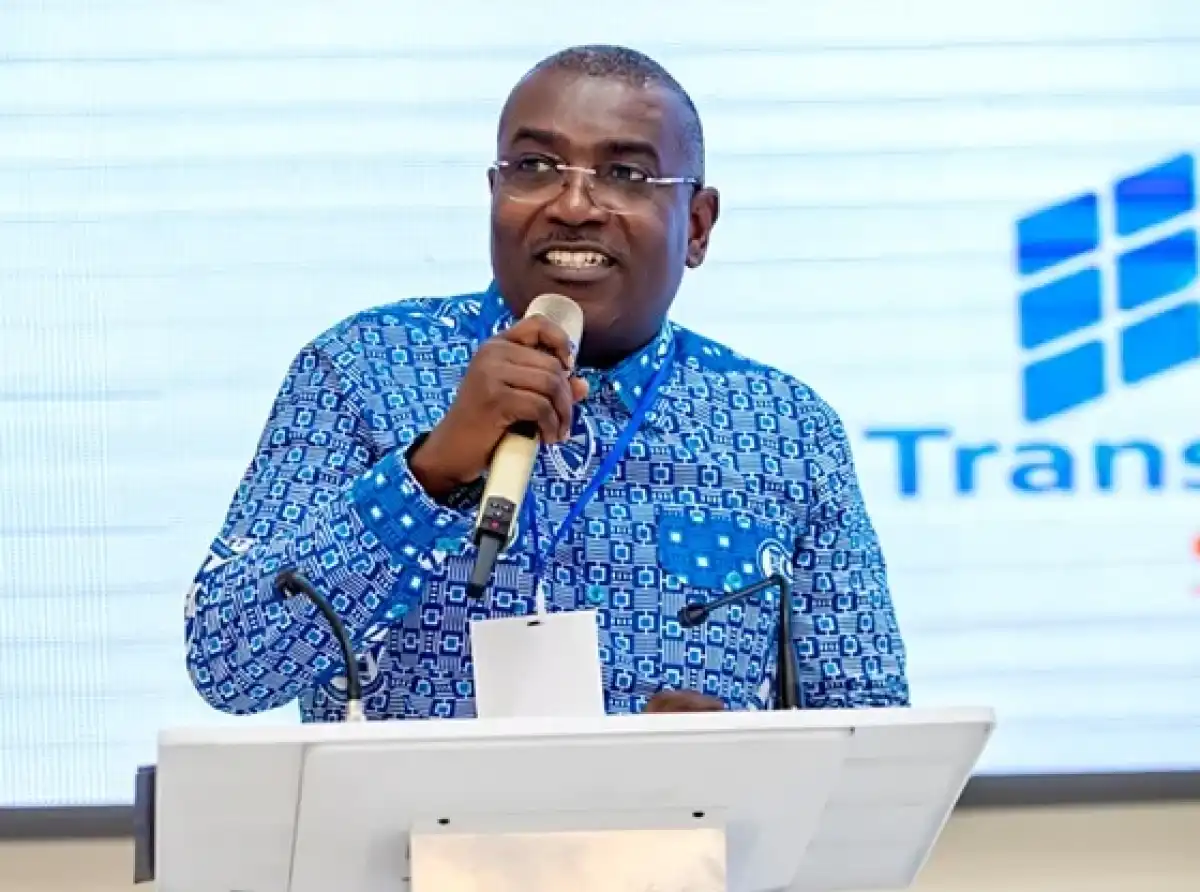
President of the Ghana Institute of Architects, Tony Asare, has called for a fundamental shift in Ghana’s approach to urban development, arguing that building competitive and sustainable cities requires more than roads, buildings, and other physical infrastructure.
According to him, urban planning in Ghana must be guided by a clear long-term vision and supported by stronger institutional capacity within Metropolitan, Municipal and District Assemblies (MMDAs) if cities are to meet the needs of growing populations and drive economic transformation.
Speaking during a roundtable discussion on Channel One TV on Monday, June 15, 2026, under the theme “Building Competitive Cities: Infrastructure, Innovation and Investment for Sustainable Economic Growth,” Asare stressed that successful urban development begins with a clear understanding of the type of cities policymakers want to create.
While acknowledging the importance of infrastructure development, the architects' president noted that Ghana’s urban planning model often places excessive emphasis on physical projects while paying insufficient attention to the overall quality of life of residents.
He explained that many development initiatives focus on constructing roads, drains, markets, and public facilities without adequately considering how people interact with urban environments on a daily basis.
According to him, this approach can result in cities that possess infrastructure but fail to provide comfortable, efficient, and inclusive living environments.
“I think we need to prioritize two things: the vision that we want to have, and then the capacity to create that vision,” he stated.
Asare argued that urban development should not merely be measured by the quantity of infrastructure delivered but also by how effectively cities serve the people who live and work in them.
The Ghana Institute of Architects believes that future urban planning strategies must place greater emphasis on people-centred design principles.
According to Asare, city planners and policymakers should consider how residents move through urban spaces, access essential services, interact with public facilities, and experience their surroundings.
He stressed that issues such as walkability, accessibility, transportation connectivity, public spaces, safety, and environmental quality should become central considerations in planning decisions.
“You want to create an experience for how people want to live in the city. What should they go through, how do you walk through?” he said.
The architect explained that successful cities are designed around the needs and experiences of residents rather than simply around infrastructure projects.
Asare expressed concern that some planning schemes are implemented without a clearly defined long-term vision for urban growth and development.
He noted that a coherent vision helps ensure that investments in infrastructure, housing, transportation, and public services work together to achieve broader development goals.
Without such a framework, he warned, cities risk experiencing uncoordinated expansion, congestion, inadequate public services, and inefficient land use.
The Ghana Institute of Architects is therefore advocating a planning approach that aligns infrastructure investments with clearly defined economic, environmental, and social objectives.
A key aspect of the proposed reforms involves improving the planning and technical capacity of Metropolitan, Municipal and District Assemblies.
According to Asare, local government authorities play a critical role in shaping urban development outcomes and must be adequately equipped to undertake effective planning and implementation.
He suggested that strengthening institutional capacity would enable assemblies to better manage urban growth, enforce planning regulations, and implement sustainable development strategies.
Urban planners, architects, engineers, and other technical professionals, he said, should be given the resources and support needed to guide the future development of Ghana’s cities.
The architects' president also encouraged Ghana to study and adapt lessons from cities around the world that have successfully combined infrastructure development with liveability, sustainability, and human-centred design.
Many leading global cities, he noted, have integrated efficient transportation systems, accessible public spaces, environmental sustainability measures, and inclusive planning frameworks into their development models.
Such examples demonstrate that economic competitiveness and quality of life can be pursued simultaneously through thoughtful urban planning.
The Ghana Institute of Architects is ultimately calling for broader reforms that place vision, planning, and people at the centre of urban development policies.
The organisation believes that stronger institutions, long-term planning frameworks, and a focus on creating liveable urban environments will be essential if Ghana is to build cities capable of supporting sustainable economic growth and improving living standards.
As urbanisation continues to accelerate across the country, experts say the decisions made today regarding planning and city management will have lasting implications for future generations.
For the Institute, the goal is clear: to move beyond fragmented infrastructure interventions and create well-planned, competitive, and people-centred cities that can thrive in an increasingly urban future.

Aikines Anyomi

News
Food
Politics
Technology
About Us
Download Our Mobile App

