
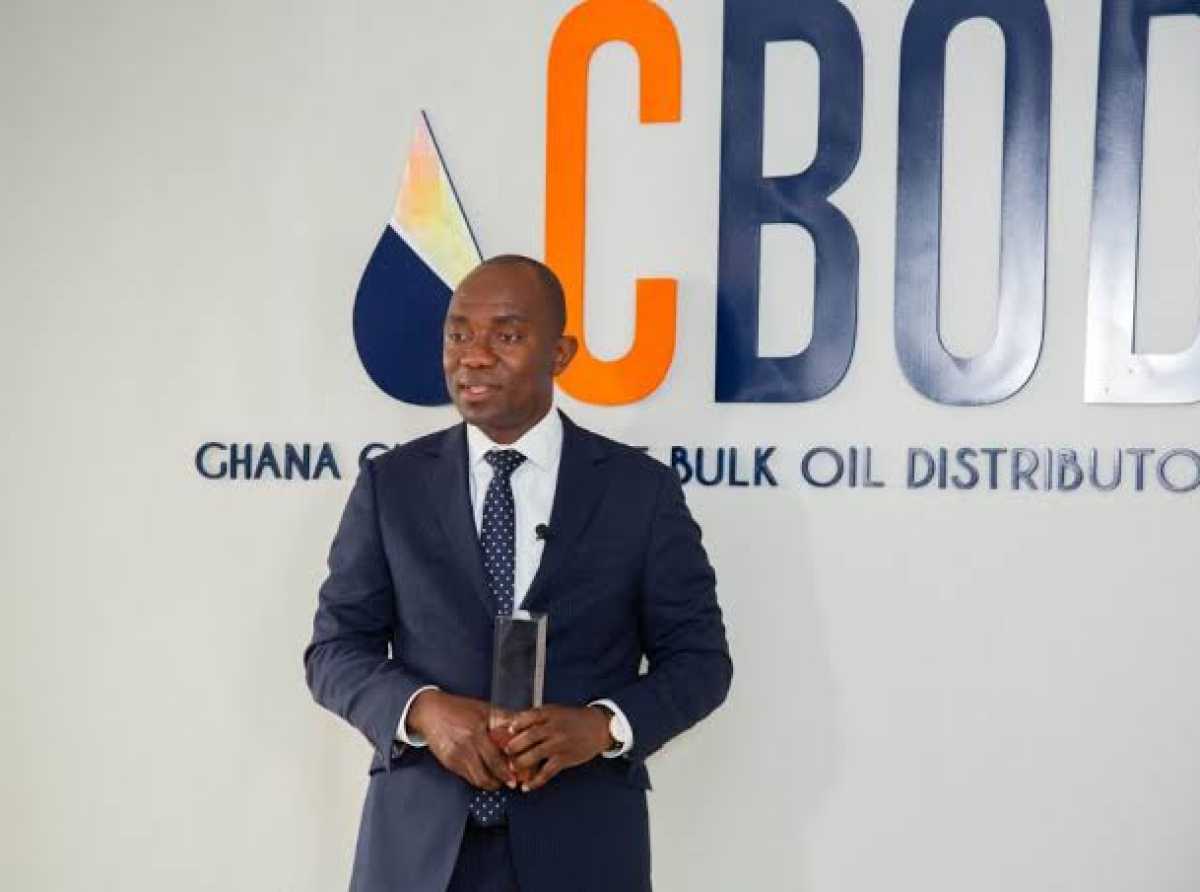
The Chief Executive Officer of the Ghana Chamber of Bulk Oil Distributors (CBOD), Dr Patrick Ofori, has cautioned against government fuel subsidies, arguing that they could create a greater financial burden for Ghanaians in the future.
Speaking on Eyewitness News on Tuesday, September 15, Dr Ofori said previous government interventions in the energy sector had led to additional levies and financial obligations. He argued that subsidies were therefore not a sustainable way to address rising fuel prices.
“The government is we, the citizens. So once any subsidy comes in, we should expect that we are going to pay in the future and you are going to pay with maybe interest or even double that amount,” he said.
Dr Ofori called for a more comprehensive, long-term response to fuel price pressures, including greater investment in public transportation and alternative energy sources.
He said blanket fuel subsidies might not adequately support vulnerable commuters, arguing that motorists who consume more fuel could benefit more than low-income public transport users.
“I’ve never supported subsidy because if somebody using a V8 loaded 90 litres and the trotro driver needs just maybe 25 litres to load from to maybe Circle and you are subsidising two cedis, you are giving it more to those who can afford,” he said.
Instead, he suggested directing resources that could be spent on fuel subsidies towards public transport infrastructure, including increasing the number of buses available to commuters.
He also urged the government to reduce reliance on conventional fuels by investing in alternative energy and research into a broader energy mix.
His comments come as the Chamber of Oil Marketing Companies (COMAC) projects further increases in petroleum product prices from Wednesday, September 16, at the start of the second pricing window for September.
COMAC has projected a 9.63 per cent increase in petrol prices, a 6.97 per cent rise in diesel prices and a 3.22 per cent increase in Liquefied Petroleum Gas (LPG) prices. The Chamber attributed the expected adjustments to increases in global crude oil and refined petroleum product prices.

Aikines Anyomi

News
Food
Politics
Technology
About Us
Download Our Mobile App

