Education must produce innovators, not certificate holders – Ibn Chambas
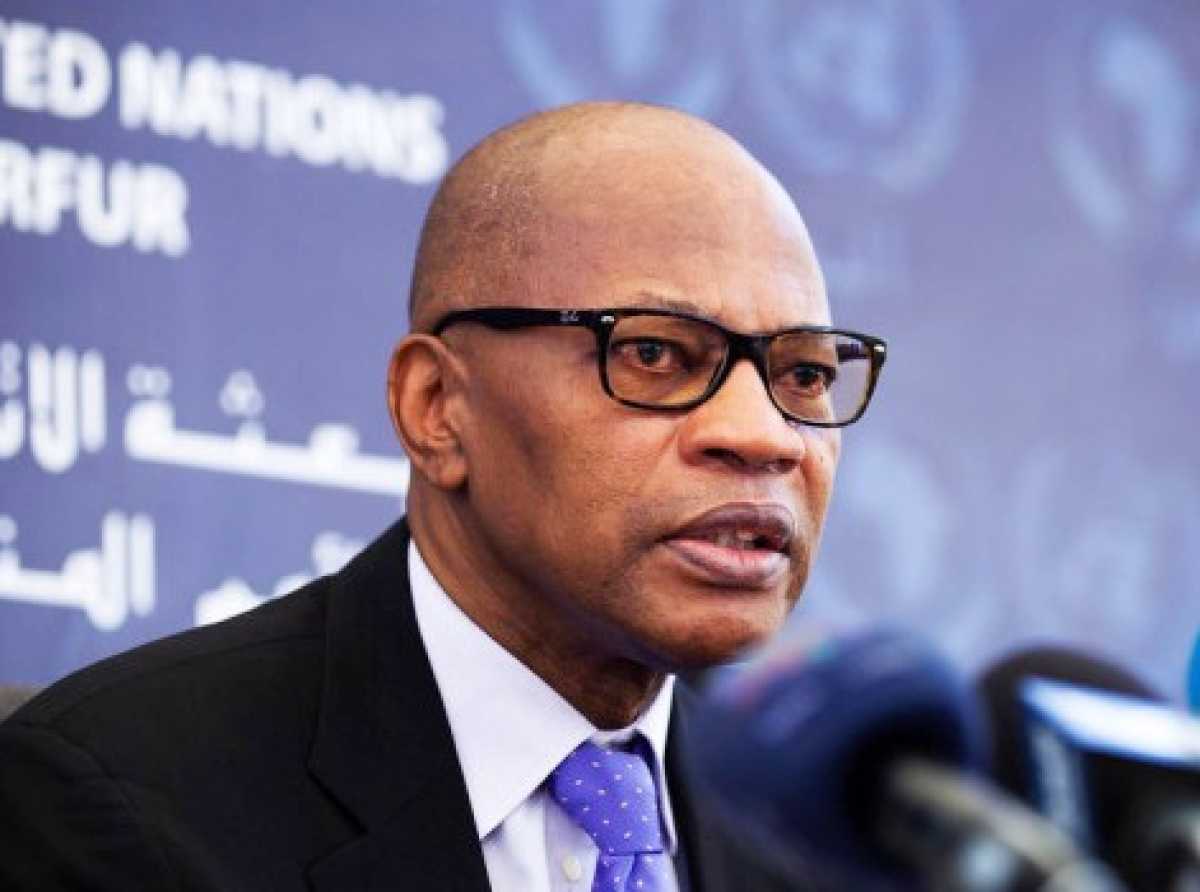
The African Union High Representative for Silencing the Guns, Dr. Mohamed Ibn Chambas, has called for a fundamental transformation of Ghana's education system, urging policymakers to place greater emphasis on innovation, creativity, ethical leadership and practical skills rather than the pursuit of academic certificates alone.
Speaking at the second edition of the Mfantsipim Sesquicentennial Lecture on Wednesday, July 29, Dr. Chambas said Ghana must continually reform its education system to produce graduates capable of competing globally, creating employment opportunities and driving national development.
According to him, the future of Ghana's economy depends not only on academic achievement but also on the country's ability to nurture innovative thinkers, entrepreneurs and responsible leaders equipped to solve emerging challenges.
Dr. Chambas questioned whether Ghana's current education system is adequately preparing students to thrive in an increasingly competitive global environment.
"The question is, is our educational system churning out products who can compete globally? Are we nurturing innovators capable of creating jobs rather than merely seeking employment?" he asked.
He stressed that educational institutions should focus on developing problem-solvers and entrepreneurs who can generate opportunities for others instead of relying solely on existing employment opportunities.
The former diplomat argued that education should not be measured merely by certificates or examination results but by the quality of individuals it produces.
According to him, true education should develop critical thinking, integrity, wisdom and strong moral values alongside technical and technological competencies.
"Education is not merely about acquiring certificates. It is about forming character, cultivating wisdom, nurturing integrity, and preparing women and men who possess intellectual excellence, relevant technological skills, and moral courage and character," he stated.
He noted that these qualities are essential for building a resilient and prosperous society capable of responding effectively to global challenges.
Dr. Chambas emphasised that a well-designed education system has the potential to strengthen democratic governance by producing informed, responsible and patriotic citizens.
He said education should empower young people to become active contributors to national development while promoting accountability, civic responsibility and ethical leadership.
Rather than producing graduates who simply seek jobs, he argued, schools should cultivate innovators capable of creating sustainable employment and supporting economic transformation.
The African Union High Representative challenged policymakers, educators and stakeholders to reflect on whether Ghana's education system is achieving its broader national objectives.
He posed several critical questions:
- Is Ghana producing graduates who can compete globally?
- Are students being equipped to create jobs instead of merely seeking employment?
- Are schools nurturing citizens who respect diversity and democratic values?
- Is education helping young people reject corruption and uphold integrity?
- Are learners being prepared to harness artificial intelligence while preserving ethical values?
According to Dr. Chambas, these questions require honest national reflection if Ghana is to build an education system that meets the demands of the modern world.
With rapid advances in technology, particularly artificial intelligence, Dr. Chambas stressed the importance of equipping students with both digital competencies and strong ethical foundations.
He warned that technological progress must be accompanied by moral responsibility to ensure innovation benefits society.
He therefore urged government, educational institutions and other stakeholders to work together to build an education system that produces innovative, ethical and globally competitive citizens capable of driving Ghana's long-term development.
The lecture formed part of activities marking the Mfantsipim School Sesquicentennial celebrations, which continue to provide a platform for national conversations on leadership, education and Ghana's future.

Aikines Anyomi

News
Food
Politics
Technology
About Us
Download Our Mobile App

