
Let's make voluntary blood donation a regular habit to curb blood shortage - National Blood Service urges Ghanaians
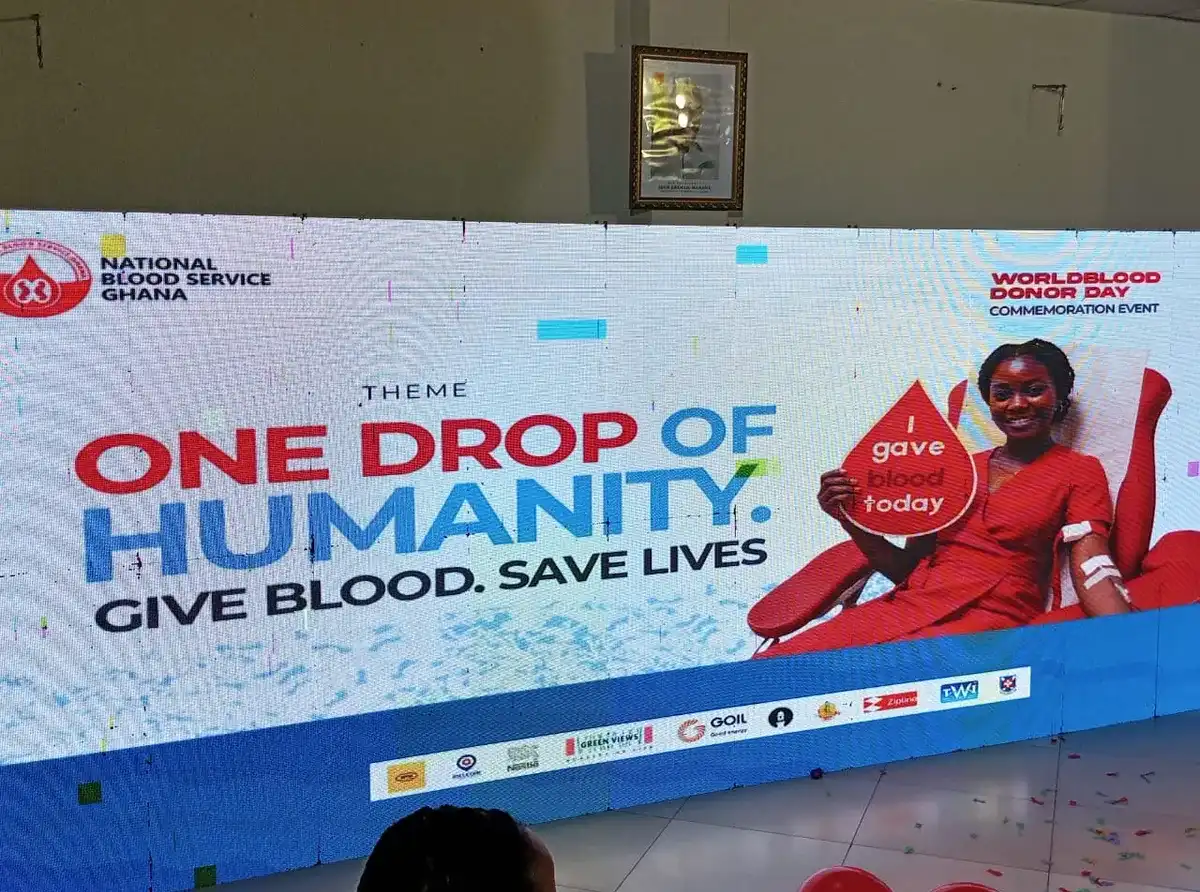
The Ministry of Health and the National Blood Service (NBS) have intensified calls on healthy Ghanaians between the ages of 17 and 60 to make voluntary blood donation a regular practice, as the country continues to experience a significant shortage in blood supplies needed to support healthcare services.
The appeal was made during the launch of activities marking the 2026 World Blood Donor Day celebration in Accra under the global theme, “One Drop of Humanity. Give Blood. Save Lives.”
Health authorities say the persistent gap between blood demand and supply poses a serious challenge to healthcare delivery, particularly in emergency situations, maternal care, accident cases, and life-saving surgeries.
Speaking on behalf of the Minister for Health, Kwabena Mintah Akandoh, the Director of Allied Health at the Ministry of Health, Dr. Ignatius Awinibuno Abowini Nchor, revealed that Ghana collected approximately 200,000 units of blood in 2025. However, the country's healthcare facilities required more than 300,000 units during the same period, leaving an annual deficit exceeding 100,000 units.
According to Dr. Nchor, the shortage highlights the urgent need to increase the number of voluntary unpaid blood donors across the country. He noted that only 36 percent of Ghana’s blood supply currently comes from voluntary donors, far below the World Health Organization’s recommended target of 80 percent.
He stressed that a reliable and safe blood supply remains a critical pillar of every effective healthcare system, as blood transfusions are often required to save the lives of accident victims, mothers experiencing childbirth complications, patients undergoing surgery, and individuals receiving treatment for severe illnesses such as cancer and blood disorders.
“Inadequate blood supply has far-reaching consequences for healthcare delivery. It affects emergency response, maternal healthcare, and surgical interventions, making it imperative for more Ghanaians to embrace voluntary blood donation,” he stated.
To strengthen the country's blood collection and management systems, Dr. Nchor disclosed that the government, through support from the Ghana Medical Trust Fund, plans to equip the National Blood Service and Regional Blood Centres with modern blood screening, processing, storage, and distribution equipment.
He explained that improving infrastructure and technology will enhance blood safety standards, reduce wastage, and ensure that hospitals across the country have access to adequate supplies when needed.
The Director also called on traditional authorities, religious leaders, corporate institutions, educational establishments, and civil society organisations to actively support blood donation campaigns and community outreach programmes aimed at increasing voluntary donations.
He emphasized that building a sustainable blood donation culture requires collective effort from all sectors of society.
The Chief Executive Officer of the National Blood Service, Dr. Shirly Owusu Ofori, described voluntary blood donors as the “unsung heroes” of Ghana’s healthcare system, noting that their contributions save thousands of lives each year.
She explained that one unit of donated blood can potentially save up to three lives through component separation, where red blood cells, plasma, and platelets are used to treat different patients with varying medical conditions.
Dr. Owusu Ofori acknowledged that Ghana has recorded steady improvements in its Blood Collection Index over the past five years. However, she pointed out that several challenges continue to undermine efforts to achieve adequate national blood reserves.
Among these challenges are low voluntary donor turnout, inadequate infrastructure, public misconceptions about blood donation, and continued dependence on family replacement and paid donors.
She noted that reliance on voluntary unpaid donors remains the safest and most sustainable approach to maintaining a secure blood supply, as these donors generally present lower risks for transfusion-transmissible infections.
As part of efforts to encourage greater public participation, the National Blood Service launched the “Drop Your Drop” QR Code Pledge Initiative during the event.
The initiative is designed to make it easier for individuals to commit to regular blood donation through a digital platform that connects potential donors to blood collection opportunities nationwide.
Dr. Owusu Ofori urged members of the public to move beyond pledges and actively donate blood at designated collection centres.
“Ensuring a safe and adequate blood supply is a shared responsibility. Every donation has the potential to save lives and strengthen our healthcare system,” she said.
World Blood Donor Day is commemorated annually on June 14 to honour voluntary blood donors and raise awareness about the importance of safe blood and blood products. The observance also serves as a reminder of the need for countries to maintain sustainable blood donation systems capable of meeting growing healthcare demands.
Health officials remain optimistic that with increased awareness, stronger partnerships, and greater public participation, Ghana can significantly reduce its blood supply deficit and improve access to life-saving transfusion services nationwide.

Aikines Anyomi

News
Food
Politics
Technology
About Us
Download Our Mobile App

