Kennedy Agyapong warns NPP: “If they provoke me, I’ll spill the beans”
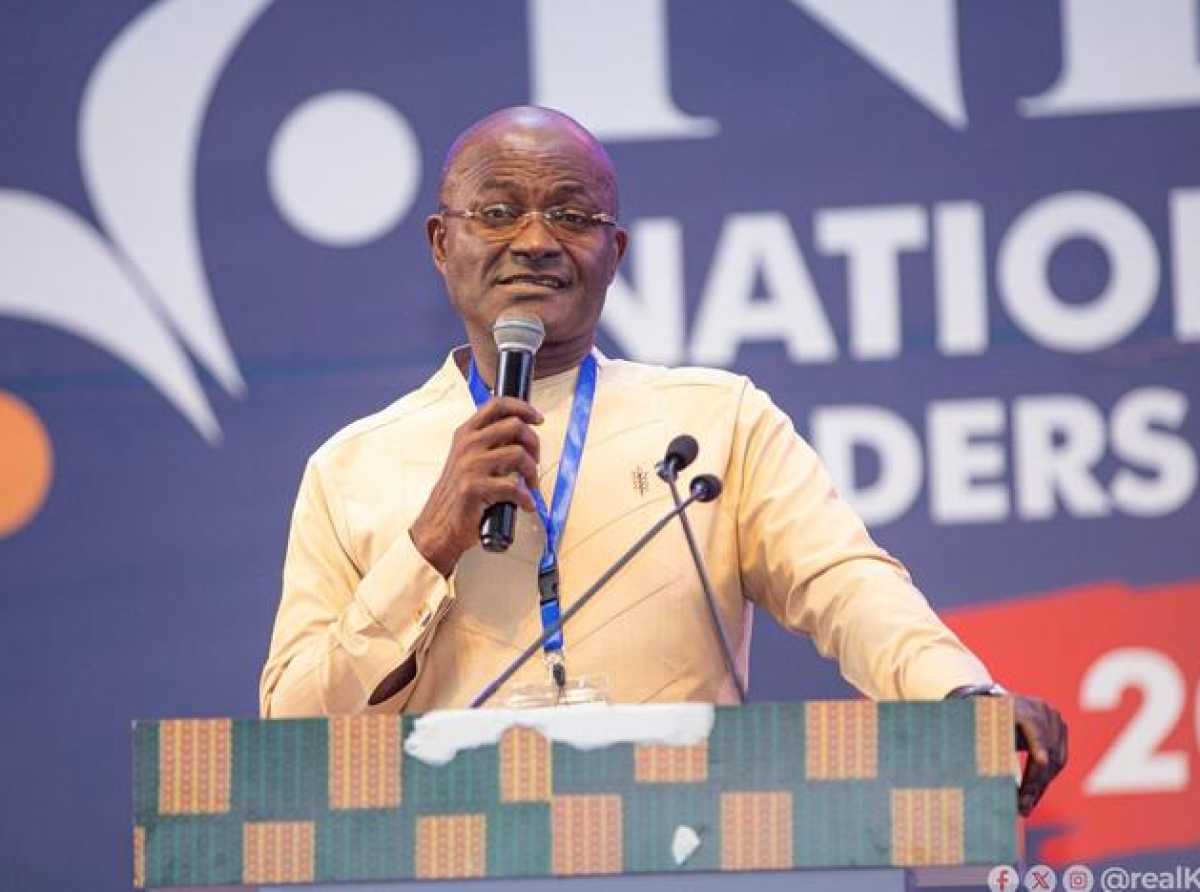
Former Assin Central Member of Parliament, Kennedy Ohene Agyapong, has declared that he will not be intimidated or silenced by criticism from within the New Patriotic Party (NPP), following renewed controversy over his comments on governance, accountability and unfinished government projects.
The outspoken politician's remarks come in the wake of backlash from some members of the NPP after he publicly questioned the party’s record on key infrastructure projects, particularly the completion and operationalisation of the Afari Military Hospital.
Mr. Agyapong expressed concern over the current state of the facility, arguing that the project represented a significant opportunity to improve healthcare delivery for both military personnel and civilians and should have been fully functional after eight years of NPP administration.
According to him, considering the substantial public investment made in the project, Ghanaians have every right to demand answers regarding its status and overall progress.
Speaking during an interview on Net 2 TV, the former NPP flagbearer aspirant rejected claims that his recent comments were motivated by personal grievances arising from internal party matters.
“The NPP says I am bitter. I will not say anything to them. They think it is about what they did during the campaign. They can’t shut me down,” he stated.
Mr. Agyapong insisted that his concerns are driven by a desire to see national development projects completed and public resources used effectively rather than by partisan considerations.
He further challenged members of the party to account for the implementation of major government initiatives, including the Agenda 111 healthcare programme.
“If Ghanaians want to know, they should ask them about Agenda 111, whether they were able to complete one,” he said.
The former lawmaker also made allegations concerning the award and management of public contracts, claiming that some contracts were transferred to third parties under arrangements that involved financial benefits for certain individuals.
“They sold the contracts to other people and take 10 per cent,” he alleged.
Mr. Agyapong warned that continued attempts by party members to dismiss his comments or portray him as disgruntled could lead him to disclose additional information about activities within the political establishment.
“NPP should be careful with me, saying I am bitter. If they provoke me, I will spill the beans all over the place,” he cautioned.
Expanding his criticism beyond the opposition party, Mr. Agyapong alleged that questionable practices relating to public contracts are not limited to a single political tradition.
He claimed that similar incidents had occurred in dealings involving individuals associated with the governing National Democratic Congress (NDC).
“In the NDC too, I was there when somebody brought a contract to my wife worth about 55 million dollars. She was asked to pay an advance of 7 per cent before they give it to her,” he alleged.
The former MP argued that corruption remains a systemic challenge within Ghana’s political environment and suggested that both major political parties must be held accountable for their actions.
According to him, many politicians are not being honest with the Ghanaian public about how public contracts are awarded and managed.
Mr. Agyapong maintained that he remains committed to speaking openly on issues he believes affect governance and national development, regardless of criticism from political allies or opponents.
His comments are likely to fuel further debate within the NPP, particularly as the party continues internal discussions about its future direction and preparations for upcoming political contests.
The remarks also add to broader national conversations about transparency, accountability and the management of public infrastructure projects, issues that continue to feature prominently in Ghana’s political discourse.
While his allegations have generated significant attention, they have yet to be independently verified, and the individuals and institutions referenced have not publicly responded to the claims at the time of publication.

Aikines Anyomi

News
Food
Politics
Technology
About Us
Download Our Mobile App

