Supreme Court dismisses consolidated cases challenging Torkornoo’s removal
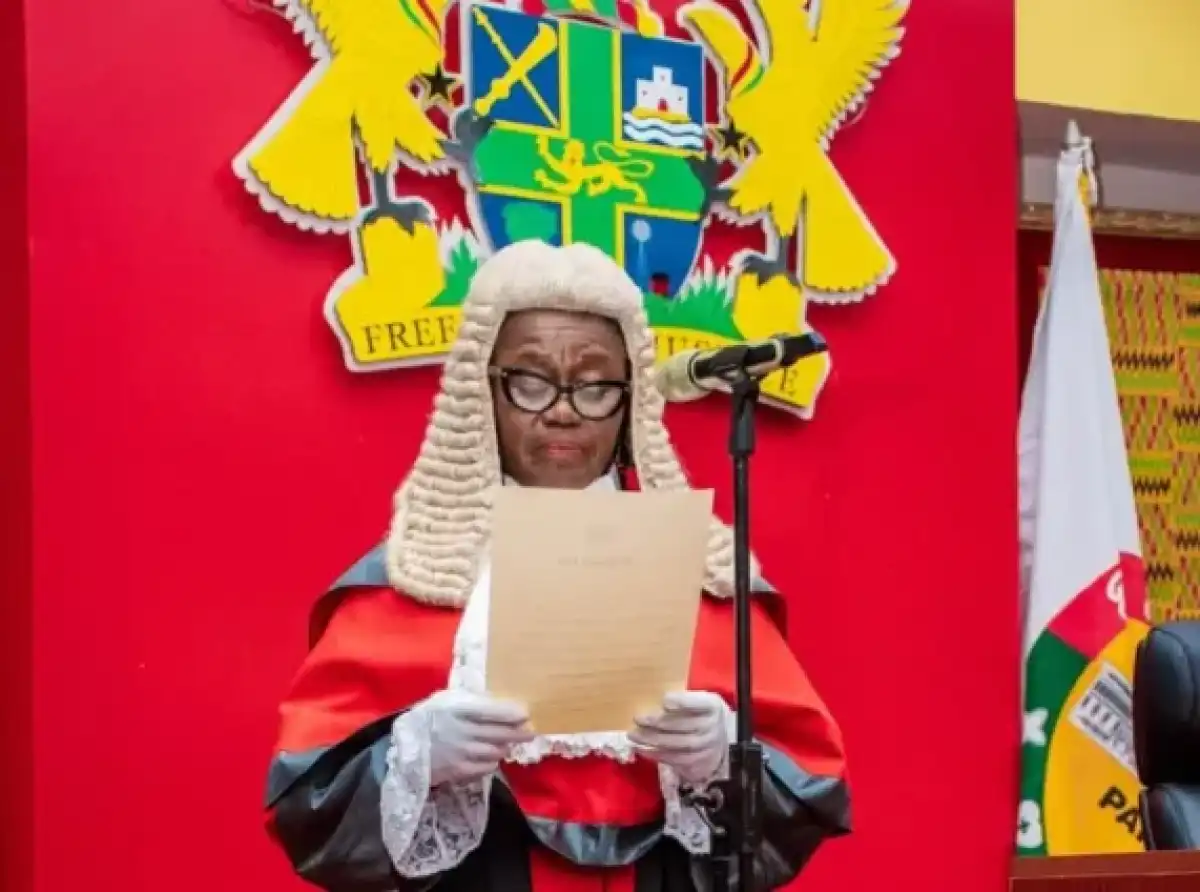
Ghana's Supreme Court has unanimously dismissed all consolidated cases challenging the removal of former Chief Justice Gertrude Torkornoo, effectively bringing an end to the domestic legal battle over her dismissal from office.
The decision, delivered on Thursday, July 2, 2026, by a seven-member panel chaired by Justice Amadu Tanko, held that the suits lacked merit and therefore could not succeed.
The ruling marks the conclusion of all legal attempts within Ghana's judicial system to overturn Justice Torkornoo's removal, one of the most consequential constitutional cases in the country's Fourth Republic.
The legal challenges stemmed from four separate suits filed in 2025 following Justice Torkornoo's suspension after a prima facie case was established based on petitions seeking her removal.
The cases were brought by:
- Tafo Member of Parliament Vincent Ekow Assafuah
- Private citizen Theodore Atta Quartey
- Former Chief Justice Gertrude Torkornoo
- The Centre for Citizenship, Constitutional and Electoral Systems (CenCES)
The Supreme Court subsequently consolidated the actions into two cases for hearing before delivering its unanimous decision dismissing them.
By rejecting the suits, the apex court affirmed the constitutional process that culminated in the former Chief Justice's removal from office.
Justice Gertrude Torkornoo was removed as Chief Justice on September 1, 2025, following recommendations by a five-member committee of inquiry established under Article 146 of the 1992 Constitution.
The committee, chaired by Supreme Court Justice Gabriel Scott Pwamang, was tasked with investigating petitions alleging stated misbehaviour against the former Chief Justice.
After months of hearings, the committee found her culpable of multiple breaches, including allegations relating to the misuse of public funds through travel-related expenditures, payments involving family members, and violations of constitutional procedures governing judicial administration.
Based on the committee's recommendations, the President removed her from office in accordance with the constitutional process.
Justice Torkornoo's dismissal marked a historic moment in Ghana's constitutional history.
She became the first sitting Chief Justice in the Fourth Republic to be removed from office through the constitutional impeachment process outlined under Article 146 of the Constitution.
The development generated widespread legal, political and public debate over judicial accountability, constitutional safeguards and the independence of the judiciary.
The Supreme Court's ruling follows another significant legal setback for the former Chief Justice at the regional level.
On June 24, 2026, the ECOWAS Court of Justice dismissed all claims brought by Justice Torkornoo against the Republic of Ghana.
The regional court held that it found no evidence that Ghana had violated her fundamental rights during the removal process and rejected her claim for damages.
That judgment further weakened efforts to overturn the constitutional process that led to her dismissal.
With Thursday's unanimous ruling by the Supreme Court, all domestic legal avenues challenging Justice Torkornoo's removal have now been exhausted.
The decision effectively brings finality to one of Ghana's most closely watched constitutional disputes, leaving the findings of the Article 146 committee and the subsequent removal process legally intact.
The judgment is expected to serve as an important constitutional precedent regarding the removal of superior court judges and the interpretation of Article 146 of the 1992 Constitution.

Aikines Anyomi
News
Food
Politics
Technology
About Us
Download Our Mobile App

