GCMC flags safety risks as 30% of gas cylinders Fail inspection under recirculation model
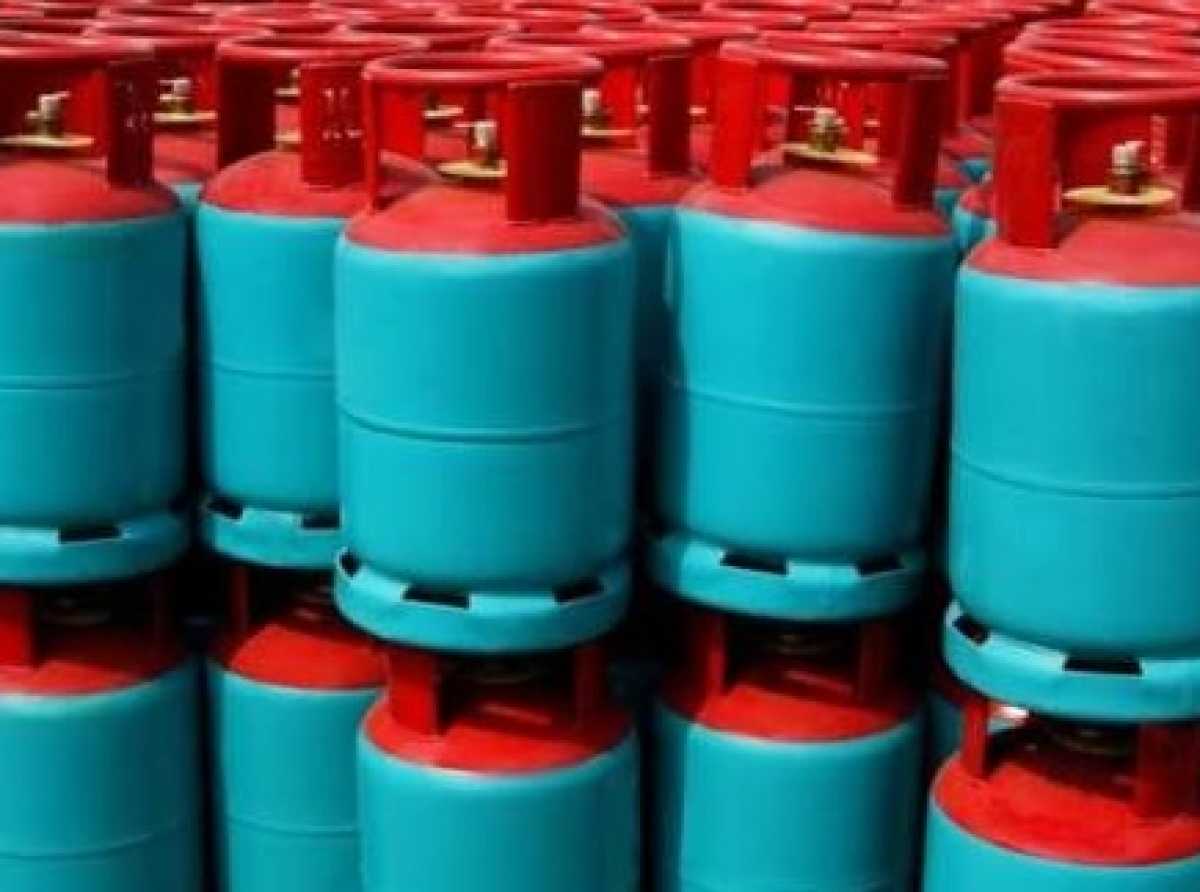
The Ghana Cylinder Manufacturing Company has raised concerns over household safety, revealing that a significant proportion of gas cylinders submitted for refurbishment under the Cylinder Recirculation Model (CRM) are unfit for continued use. The findings point to a growing safety challenge in domestic energy use, particularly as more households rely on LPG for cooking and other needs.
According to the company, nearly 30 per cent of cylinders presented for inspection and refurbishment were found to be defective, highlighting growing safety risks in households across the country. Industry experts say such a high defect rate underscores the urgent need for stricter monitoring and improved handling of gas cylinders.
Management of GCMC warned that the continued use of faulty cylinders poses a serious threat to lives and property, with increased risks of gas leaks, fires and explosions, some of which have previously caused devastating incidents in communities. These incidents have often resulted in injuries, fatalities, and significant property damage, raising national concern about LPG safety standards.
Speaking to journalists, the Managing Director of GCMC, Abdul-Rahman Mankir, stressed the need to expand the implementation of the CRM beyond its current operational areas to improve safety outcomes nationwide. He emphasized that scaling up the model would ensure more cylinders undergo proper inspection and maintenance.
He noted that the model is currently being implemented in Accra, Kumasi and Tema, adding that nationwide expansion, combined with intensified public education, would strengthen compliance and improve safety. Expanding coverage to other regions is expected to reduce the circulation of unsafe cylinders in underserved areas.
He further observed that awareness of the initiative remains low in some areas, including parts of Accra, and said broader education campaigns in partnership with the National Petroleum Authority (NPA) would help increase public participation. Public education, he noted, is critical to ensuring that consumers understand the benefits of the system and adhere to safety practices.
The Cylinder Recirculation Model, championed by the NPA, is designed to ensure that Liquefied Petroleum Gas (LPG) cylinders are regularly inspected, maintained and replaced when necessary. The policy is part of broader efforts by government to modernize the LPG distribution system and reduce accidents associated with gas usage.
Under the system, consumers exchange empty cylinders for certified and filled ones at designated points, rather than refilling their own cylinders at fuel stations. This approach is intended to centralize maintenance, improve quality control, and ultimately enhance public safety.
The concerns raised by GCMC highlight the importance of regulatory enforcement, consumer awareness, and infrastructure investment in ensuring that LPG remains a safe and reliable energy source for households across Ghana.

Aikines Anyomi
News
Food
Politics
Technology
About Us
Download Our Mobile App

