
Ghana needs 15 years of consistent reforms to achieve economic transformation – Bokpin
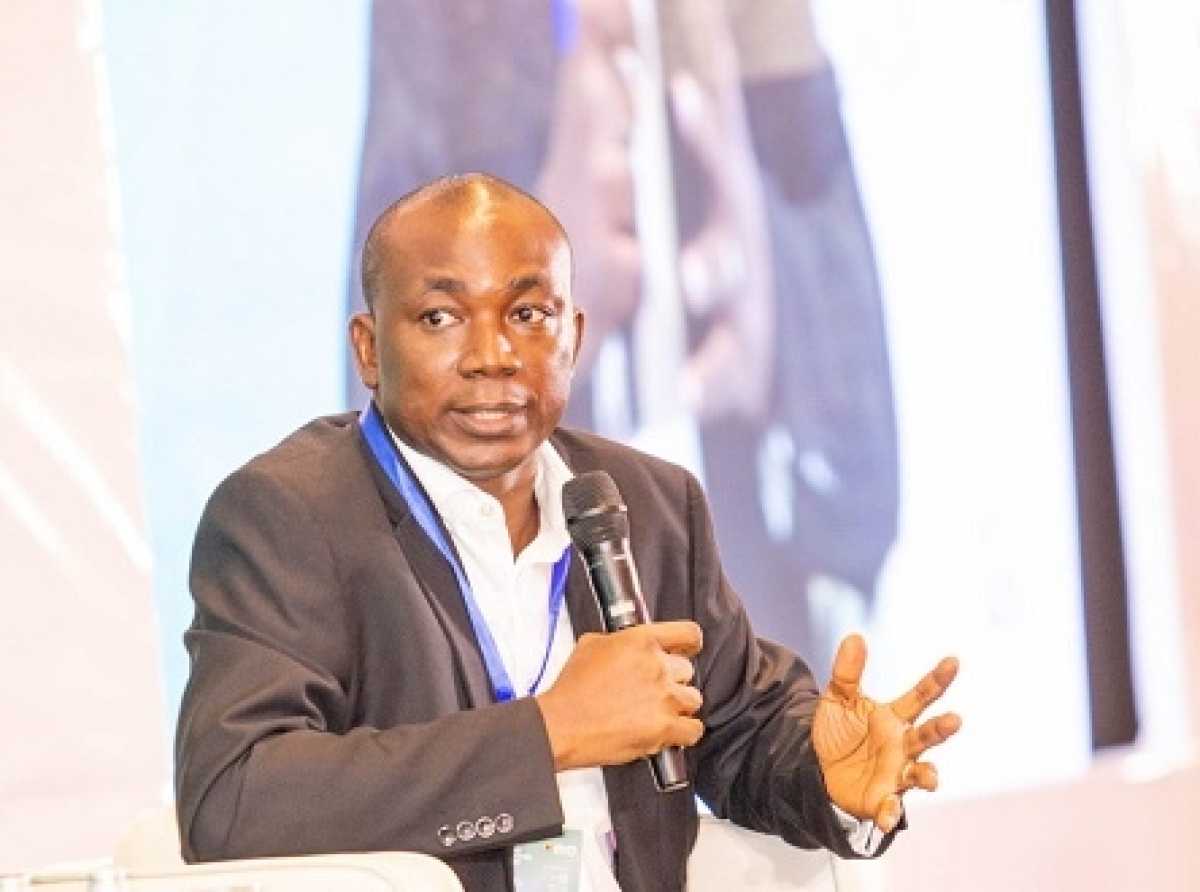
Ghana could need about 15 years of sustained reforms, strategic investments and consistent economic policies to convert restored macroeconomic stability into meaningful economic transformation, according to economist Professor Godfred Alufar Bokpin.
The Professor of Finance at the University of Ghana Business School (UGBS) says stabilising the economy is only the first phase of the recovery process. The more difficult task is to create productive jobs, expand businesses and improve living standards.
Prof. Bokpin argues that countries which have successfully transformed their economies did so through sustained policy direction and coordinated reforms over several years, rather than short-term measures tied to individual budget cycles.
“Normally, moving from macroeconomic stability to greater economic transformation takes close to 15 years of doing the right thing consistently and the necessary reforms bundled together reinforcing each other,” he said.
He was speaking in an interview on the sidelines of the National Policy Dialogue on Philanthropy and Social Investment in Accra.
While acknowledging the government’s progress in restoring macroeconomic stability, Prof. Bokpin cautioned that excessive reliance on expenditure cuts could constrain private sector growth and weaken the foundations of a broader economic recovery.
He pointed to a reduction of more than 47 per cent in government expenditure on goods and services before 2025, noting that although the adjustment helped narrow fiscal deficits, it also affected small businesses that depend on government contracts.
He said the next phase of economic management should focus on productive spending and investments capable of stimulating domestic business activity, building industrial capacity and creating employment.
Prof. Bokpin identified agriculture, agribusiness, agro-processing and rural-urban road infrastructure as priority areas for investment.
He said improving productivity and connectivity would create new opportunities for businesses, strengthen economic activity and support job creation across the country.
The economist also called for greater integration of artificial intelligence and digital technologies into economic management to improve productivity, strengthen revenue mobilisation and reduce inefficiencies.
Citing China’s development experience, he said strategic investments in technology and infrastructure could accelerate Ghana’s transformation by supporting productivity and growth from the grassroots.
The government is expected to provide details of its New Economy Agenda in the 2027 Budget, scheduled to be presented on November 12.
The agenda is expected to outline the government’s approach to the next phase of economic management, as Ghana seeks to move beyond stabilisation towards sustained growth, business expansion and improved living standards.

Aikines Anyomi

News
Food
Politics
Technology
About Us
Download Our Mobile App

