
Supreme court awards GH¢800,000 to wrongfully convicted bar owner after 19 years in prison
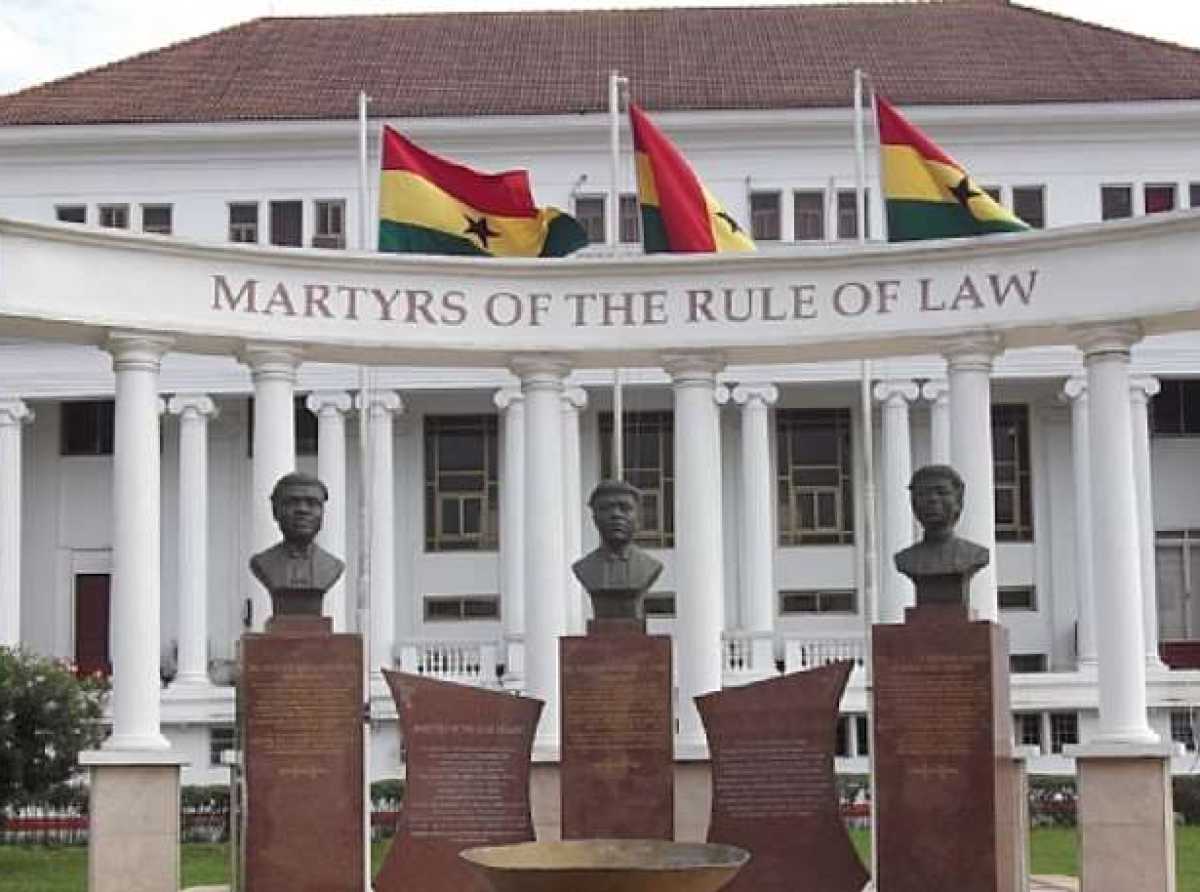
The Supreme Court of Ghana has awarded GH¢800,000 in compensation to Yaw Appiah, a bar owner who was wrongfully convicted and spent nearly two decades in prison for robbery, in a landmark ruling addressing wrongful conviction and prolonged imprisonment. The decision has been widely described as a significant precedent in Ghana’s jurisprudence on human rights and compensation for miscarriage of justice.
The apex court, presided over by Justice Avril Lovelace-Johnson, delivered the decision on February 10, 2026, after finding that Appiah had suffered a miscarriage of justice following his conviction and 45-year sentence in 2011. The ruling underscores the judiciary’s recognition of the long-term impact of wrongful imprisonment on individuals.
The five-member panel, which included Justice Prof. Henrietta Mensa-Bonsu, Justice Samuel Asiedu, Justice Yaw Darko Asare, and Justice Kweku Tawiah Ackaah-Boafo, awarded the compensation after considering submissions from both the applicant and the State. The composition of the panel reflects the court’s full constitutional bench handling of the matter.
Yaw Appiah, a drinking bar owner, was arrested in 2006 and spent five years on remand before being convicted in 2011 for robbery at the age of 29. He was subsequently sentenced to 45 years in prison. His prolonged detention before trial highlights longstanding concerns about remand durations within Ghana’s criminal justice system.
However, in March 2025, the Court of Appeal acquitted and discharged him after ruling that he had been wrongfully convicted. The appellate court described the conviction as a “tragedy” after he had already served about 19 years in Nsawam Prison. The ruling marked a dramatic reversal of his earlier conviction.
His acquittal triggered a formal application for compensation at the Supreme Court. Appiah’s lawyers, Augustine Obour and Claudia Coleman, filed an application under Article 14(5) and (7) of the 1992 Constitution, seeking GH¢2,020,800 in compensation for wrongful imprisonment. The claim was based on the long duration of incarceration and its impact on his livelihood and well-being.
The State, represented by Principal State Attorney Nana Adoma Osei, however, proposed a much lower figure, suggesting between GH¢75,000 and GH¢100,000. The wide disparity between the parties’ positions reflected differing interpretations of compensation standards in wrongful conviction cases.
After reviewing the case, the Supreme Court awarded GH¢800,000, stating that the amount was appropriate based on legal principles, including guidance from the Dodzi Sabbah case. The court emphasized fairness, proportionality, and constitutional protection of personal liberty.
The ruling was grounded in Article 14 of the 1992 Constitution, which provides for compensation in cases of unlawful detention and wrongful conviction. The judgment reinforces the constitutional safeguard against arbitrary detention.
Article 14(5) states that individuals unlawfully arrested or detained are entitled to compensation, while Article 14(7) empowers the Supreme Court to award compensation where an appellate court or the apex court itself overturns a conviction. Legal analysts say the decision could influence future claims involving wrongful imprisonment in Ghana.

Aikines Anyomi

News
Food
Politics
Technology
About Us
Download Our Mobile App

