
Petrol, diesel prices set to fall from Oct. 16 as LPG faces 18.5% hike
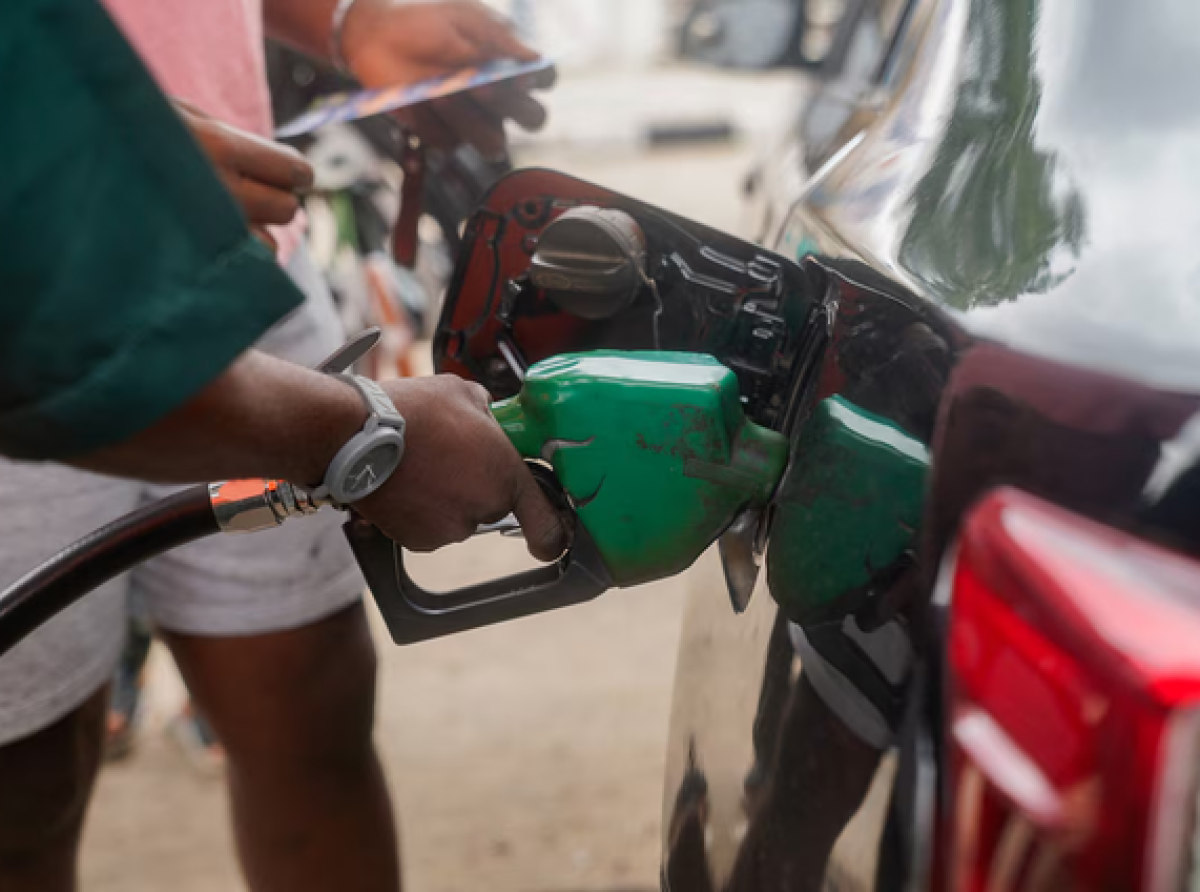
Petrol and diesel prices are expected to decline marginally at fuel pumps across Ghana from Friday, October 16, 2026, while liquefied petroleum gas (LPG) prices could rise by 18.5 per cent per kilogram.
The projections are contained in the Chamber of Oil Marketing Companies’ (COMAC) pricing outlook for the next petroleum pricing window.
According to the outlook, petrol prices could fall by almost 2 per cent to GH¢17.67 per litre, while diesel prices are projected to decline by 3.32 per cent to GH¢19.30 per litre.
LPG prices, however, are expected to increase by 18.5 per cent to GH¢20.60 per kilogram, potentially raising costs for households and businesses that depend on the fuel for cooking and other activities.
The projected changes come after most Oil Marketing Companies (OMCs) maintained their pump prices during the October 1 pricing window, following the introduction of a GH¢2 levy on diesel and a government intervention involving the supply of refined petroleum products by Tema Oil Refinery and Sentuo Oil at previous prices.
COMAC attributed the projected price adjustments to developments in the international petroleum market, movements in the exchange rate and recent government interventions.
In its report, the Chamber said average crude oil prices increased by 2.03 per cent to US$126.73 per barrel during the period under review for the October 16 pricing window.
The increase was linked to renewed concerns about global supply, amid developments involving a proposed United States-backed energy ceasefire questioned by Ukraine and fresh attacks affecting Saudi Arabia during the war involving Iran.
Despite the increase in crude oil prices, refined petroleum products recorded mixed movements on the international market.
LPG prices rose by 7.77 per cent, while diesel prices declined by 6.68 per cent and petrol prices fell by 3.93 per cent.
These differing movements have contributed to the contrasting domestic price outlook, with petrol and diesel expected to become slightly cheaper while LPG faces a significant increase.
The Ghana cedi also depreciated against the United States dollar during the period covered by the Chamber’s analysis.
COMAC reported that the currency weakened by 1.61 per cent to GH¢11.8222 to the dollar, based on average bank rates between September 26 and October 11, 2026.
The Chamber further indicated that the cedi had lost more than 11 per cent of its value against the dollar since the beginning of the year.
Seasonal demand for imports and higher energy costs were identified as factors continuing to put pressure on the local currency.
Exchange-rate movements are important to Ghana’s petroleum pricing because imported crude oil and refined petroleum products are traded internationally, largely in US dollars.
Nevertheless, the projected decline in petrol and diesel prices is expected to remain modest, reflecting the combined effects of international product prices, currency movements and domestic pricing arrangements.
The National Petroleum Authority (NPA) has also reduced the minimum prices for petrol and diesel for the October 16 pricing window, while increasing the minimum price for LPG.
Market data cited by Joy Business indicate that the petrol price floor has been reduced from GH¢16.45 to GH¢16.09 per litre.
The minimum price for diesel has also fallen from GH¢17.97 to GH¢17.09 per litre.
In contrast, the LPG price floor has increased from GH¢11.10 to GH¢13.87 per kilogram.
The revised price floors establish minimum pricing levels for the relevant products but do not necessarily represent the final prices consumers will pay at individual filling stations.
The NPA explained that its price floors exclude premiums charged by International Oil Trading Companies (IOTCs), operating margins of Bulk Import, Distribution and Export Companies (BIDECs), and the margins charged by Oil Marketing Companies and LPG Marketing Companies.
These charges are to be determined independently by the respective companies in accordance with the prescribed Petroleum Products Pricing Formula.
Consequently, actual pump prices may vary among fuel stations depending on the applicable costs and margins.
Motorists and LPG consumers will therefore need to monitor prices announced by their preferred suppliers when the new pricing window begins on October 16.
While the projected reductions in petrol and diesel prices could offer some relief to motorists, the anticipated increase in LPG prices may place additional pressure on households and businesses that rely on the fuel.

Aikines Anyomi

News
Food
Politics
Technology
About Us
Download Our Mobile App

