
Auditor-General reports should be verified, not taken as absolute — Klutse Avedzi
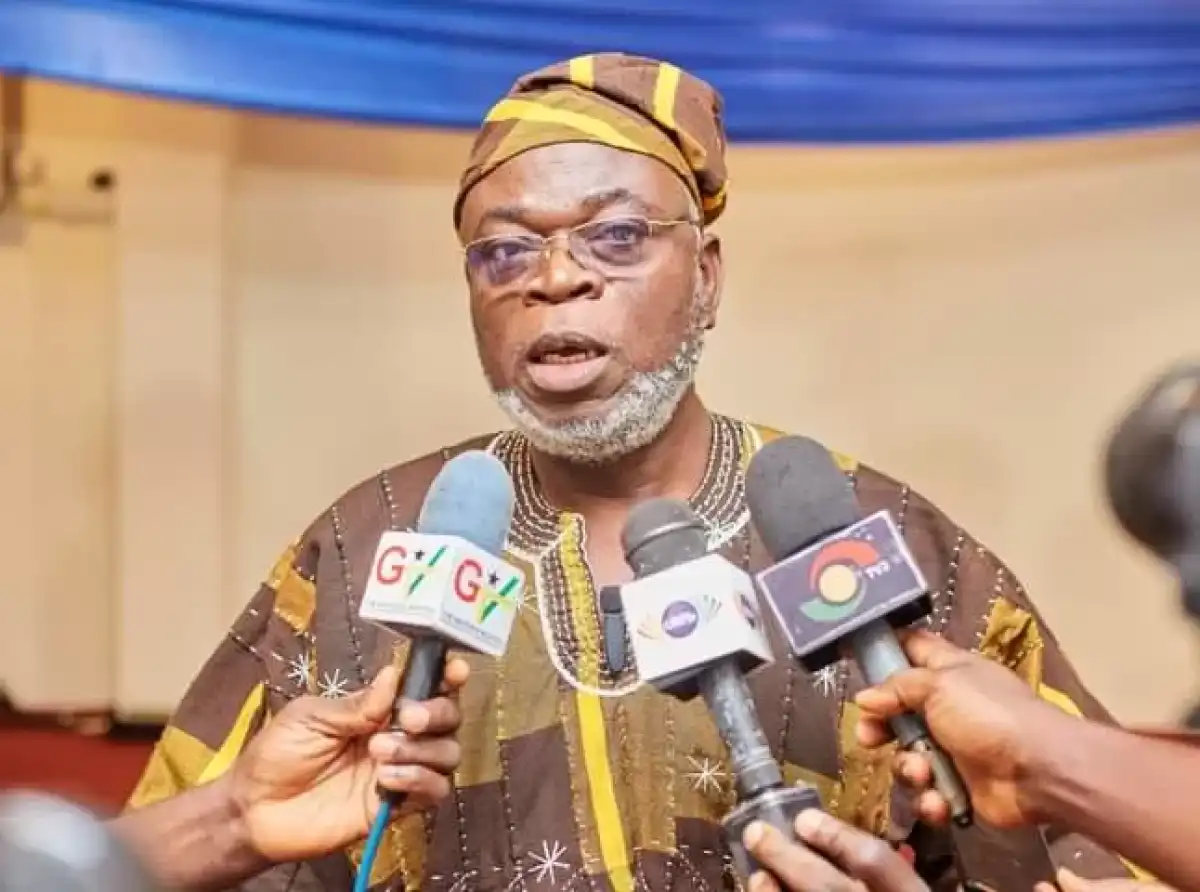
Former Chairman of Parliament’s Public Accounts Committee (PAC), James Klutse Avedzi, has urged caution in the interpretation of Auditor-General reports, stressing that such documents should not be treated as infallible without thorough verification and parliamentary scrutiny.
His comments come in response to growing public debate over the credibility of audit findings, particularly following recent corrections—such as the widely discussed case involving Frank Kpodo—which highlighted errors in previously published figures.
Mr Avedzi noted that while reports produced by the Auditor-General’s Department are authoritative and form a critical part of public financial oversight, they are ultimately compiled by individuals and are therefore not immune to mistakes.
“The Auditor-General is a human being and can make mistakes. It is always better to cross-check and verify again,” he stated.
He explained that under Ghana’s constitutional framework, Auditor-General reports are formally submitted to Parliament, where they undergo detailed examination—primarily by the Public Accounts Committee—before any conclusions are reached or actions recommended.
According to him, this parliamentary review process serves as an essential safeguard, allowing lawmakers to interrogate findings, identify inconsistencies, and ensure that any errors are corrected before the information is relied upon by the public.
Mr Avedzi cautioned that premature interpretation and publication of audit findings—especially by media organisations or individuals—can lead to misrepresentation and unintended reputational damage to those named in such reports.
“These reports are meant to be properly reviewed by Parliament and its committees. It is not for individual media houses or opinions to conclude on them before that process is complete,” he emphasised.
He added that adhering to the proper parliamentary process not only ensures accuracy but also protects the integrity of key state institutions, including the Auditor-General’s office.
By allowing Parliament to complete its scrutiny role, discrepancies can be addressed in a structured and transparent manner, strengthening public confidence in both the audit process and governance systems.
“In that way, the integrity of the Auditor-General is also protected,” he concluded.
His remarks contribute to the broader national conversation on accountability, transparency, and the responsible use of public financial data, particularly at a time when audit reports continue to attract significant public and media attention.

Aikines Anyomi

News
Food
Politics
Technology
About Us
Download Our Mobile App

