Ghana on the right path in fight against illegal mining – Forestry Commission Deputy CEO
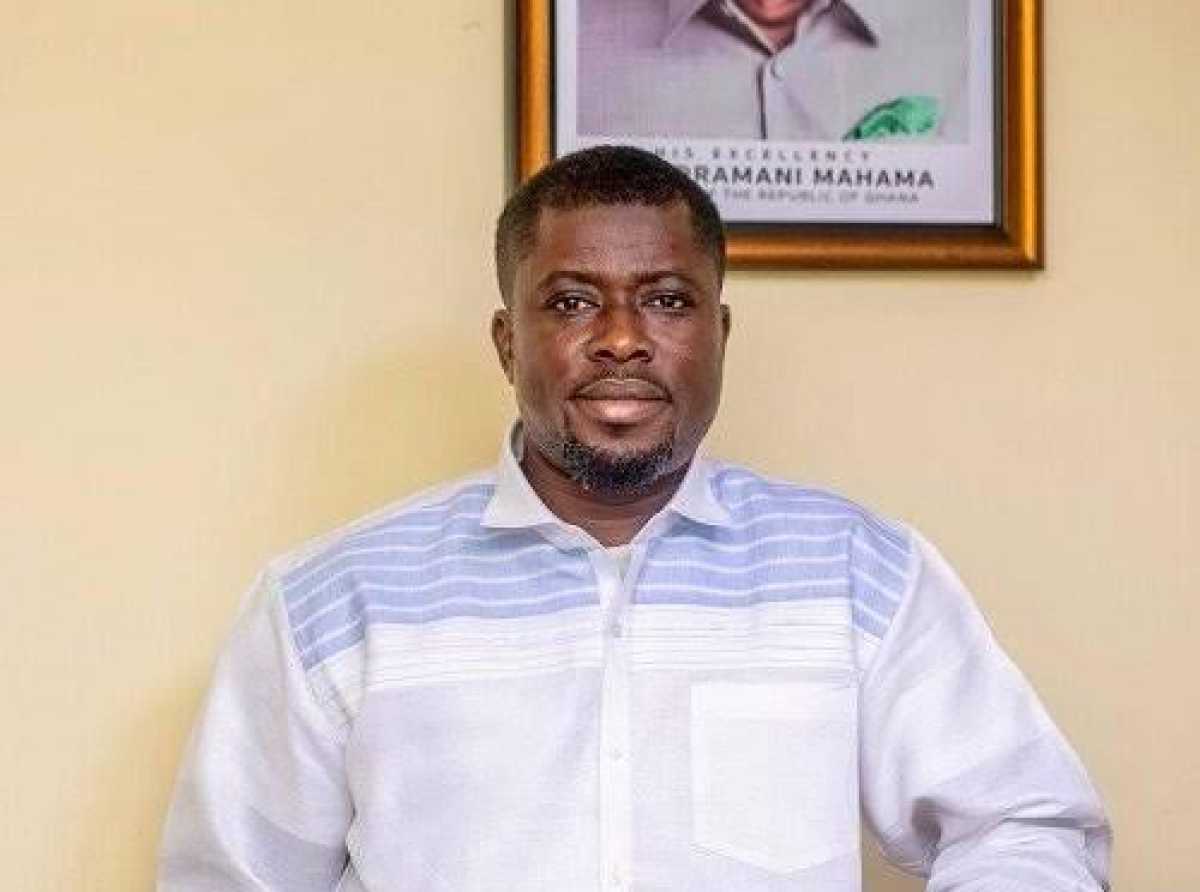
The Deputy Chief Executive Officer of the Forestry Commission, Elikem Kotoko, says Ghana is making progress in the fight against illegal mining, although the country is yet to achieve the desired results in tackling the galamsey menace.
Mr Kotoko acknowledged that illegal mining remains a major challenge, but argued that the scale and persistence of the problem over several years means it cannot be eliminated overnight.
Speaking on TV3’s New Day programme on Monday, August 31, 2026, he said the government’s ongoing interventions were gradually putting the country on the right path.
“Are we still where we used to be? The answer is no. Are we where we want to be? The answer is still no, but are we on the right path? The answer is certainly yes,” he stated.
Mr Kotoko stressed that the fight against illegal mining remains a priority for the government, particularly because of the severe impact of galamsey on Ghana’s forests, water bodies and wider environment.
He said authorities would continue to implement measures aimed at curbing illegal mining activities and protecting the country’s natural resources.
While admitting that significant challenges remain, he maintained that the current interventions should be assessed based on the progress being made rather than compared solely with the ultimate goal of eliminating illegal mining.
The Forestry Commission deputy CEO also commended the work of the National Anti-Illegal Mining Operations Secretariat (NAIMOS), rejecting claims that the establishment of the secretariat amounts to a duplication of previous government efforts.
According to him, Ghana has established several taskforces over the years to combat illegal mining, but some of those interventions failed to deliver the expected results.
He argued that NAIMOS represents a different approach and should therefore be given recognition for its sustained operations against illegal mining.
“The reason being that with the formation of NAIMOS, which some want to make us believe that there have been other forms of taskforces and therefore it is a duplication of efforts or a repetition of the same, it is not true at all,” he said.
“In the past, we have had instances of such taskforces that did not do us what is expected of them. I must commend NAIMOS in particular for the actions they have been taking on a daily and weekly basis in ensuring that they fight this battle,” he added.
Mr Kotoko maintained that although Ghana still has considerable work to do, the country is moving in the right direction in its efforts to tackle illegal mining.
He said sustained enforcement, stronger institutional coordination and continued efforts to protect the environment would be necessary to achieve meaningful and lasting results.
Illegal mining has remained one of Ghana’s most persistent environmental challenges, with concerns over the destruction of forest reserves, pollution of rivers and streams, land degradation and the loss of agricultural resources.
Mr Kotoko’s comments suggest that government considers the fight against galamsey a long-term campaign requiring sustained enforcement and institutional commitment rather than a problem that can be resolved through short-term interventions.
He reiterated the need for continued efforts to protect Ghana’s forests and water bodies while ensuring that measures against illegal mining are consistently implemented.

Aikines Anyomi

News
Food
Politics
Technology
About Us
Download Our Mobile App

