
Africa Energy Outlook Calls for Investment in Infrastructure to Strengthen Energy Security
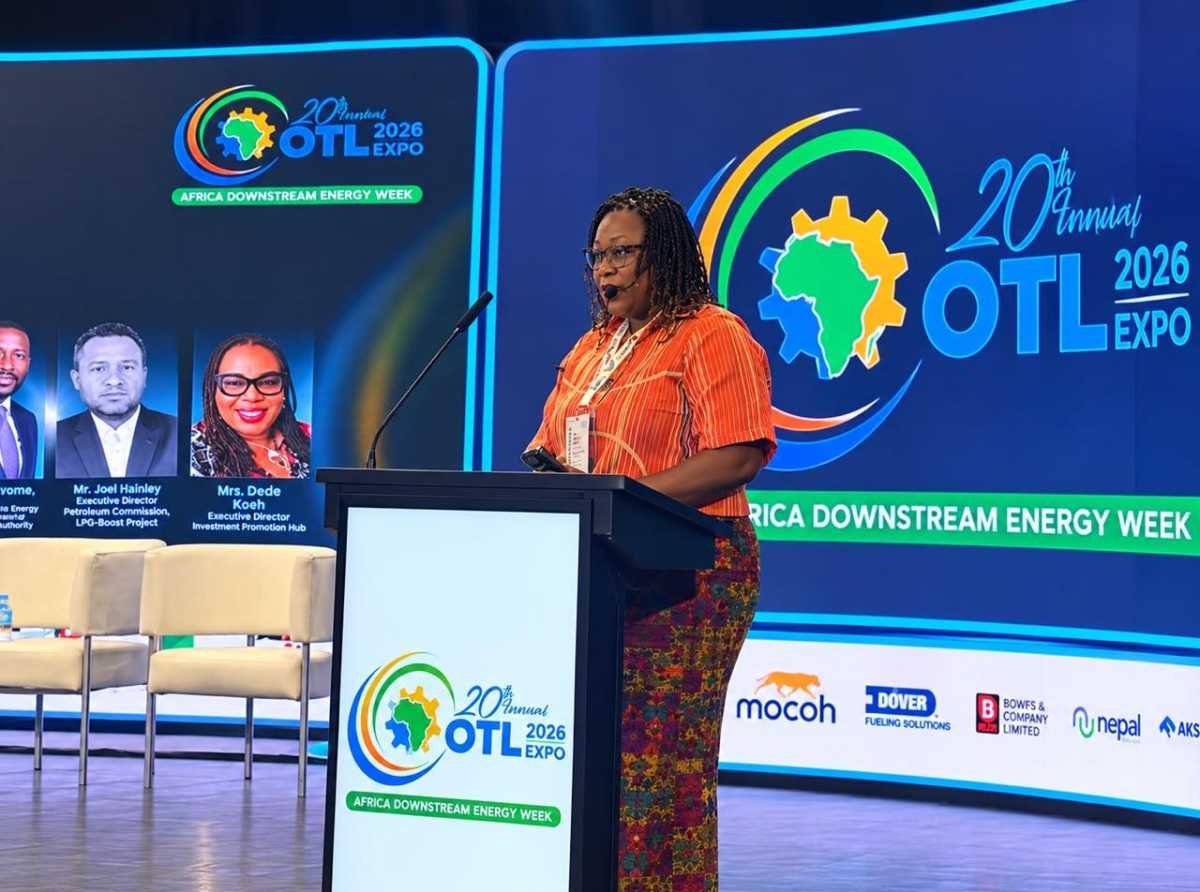
African energy experts have called for increased investment in energy infrastructure, stronger regional cooperation and sustainable market reforms to strengthen the continent’s energy security and build resilience against global market disruptions.
The call was made during a session on the Africa Energy Outlook at OTL Africa Downstream Energy Week, where industry leaders and market experts examined the challenges and opportunities shaping Africa’s energy future.
The session was chaired by Dr Sheila Addo, Deputy Chief Executive (Technical) of the National Petroleum Authority (NPA) and a member of the OTL Africa Downstream Energy Week Advisory Board.
Discussions centred on the need for African countries to reduce their vulnerability to external shocks, attract investment and develop reliable energy systems capable of supporting long-term economic growth.
Dr Sheila Addo urged African countries to draw lessons from disruptions experienced in global energy markets in recent months, stressing the importance of preparing for future supply challenges.
She called for greater investment in energy infrastructure, closer collaboration among African countries and deliberate efforts to improve the continent’s capacity to meet its own energy needs.
According to the discussions, Africa must look beyond responding to immediate supply disruptions and focus on building resilient energy systems that can support sustainable economic growth and development.
Strengthening domestic production and regional cooperation could help countries manage external pressures while improving the reliability of energy supplies.
The panel highlighted the importance of developing critical energy infrastructure, particularly refining capacity, storage facilities and distribution networks.
Expanding these facilities could help reduce dependence on imported petroleum products, improve supply reliability and strengthen countries’ ability to respond to disruptions in international markets.
Panellists also stressed the need to increase local production and improve regional supply chains to meet growing energy demand across the continent.
Greater coordination between African markets could help improve the movement of petroleum products, support more efficient distribution and reduce exposure to disruptions in global supply routes.
The session examined how geopolitical tensions, fluctuations in fuel prices and changing global energy market dynamics affect African economies.
These developments can influence fuel supply, domestic pricing and investment decisions, placing pressure on businesses, governments and consumers.
The discussions underscored the importance of building stronger domestic and regional systems to help African countries withstand external shocks and manage uncertainty in international energy markets.
Panellists identified a predictable regulatory environment as an important condition for attracting investment into Africa’s energy sector.
They emphasised the need for transparent policies, regulatory certainty and sustainable market reforms to encourage investors to commit capital to infrastructure and energy projects.
A stable investment environment could support the development of refining facilities, storage infrastructure and distribution networks while strengthening the broader downstream petroleum industry.
The panel also discussed the energy transition, with participants supporting a practical and balanced approach that takes account of Africa’s development priorities.
The discussions highlighted the need to pursue energy-sector transformation while ensuring that countries can meet their growing energy needs and support industrialisation and economic development.
The session concluded with a focus on building stronger energy systems through infrastructure development, local production, regional collaboration and policies that encourage sustainable investment.
As African countries navigate changes in global energy markets, these priorities are expected to remain central to efforts to improve energy security and strengthen the continent’s resilience.

Aikines Anyomi

News
Food
Politics
Technology
About Us
Download Our Mobile App

