
Agriculture funding in Africa remains grossly inadequate – Eric Opoku
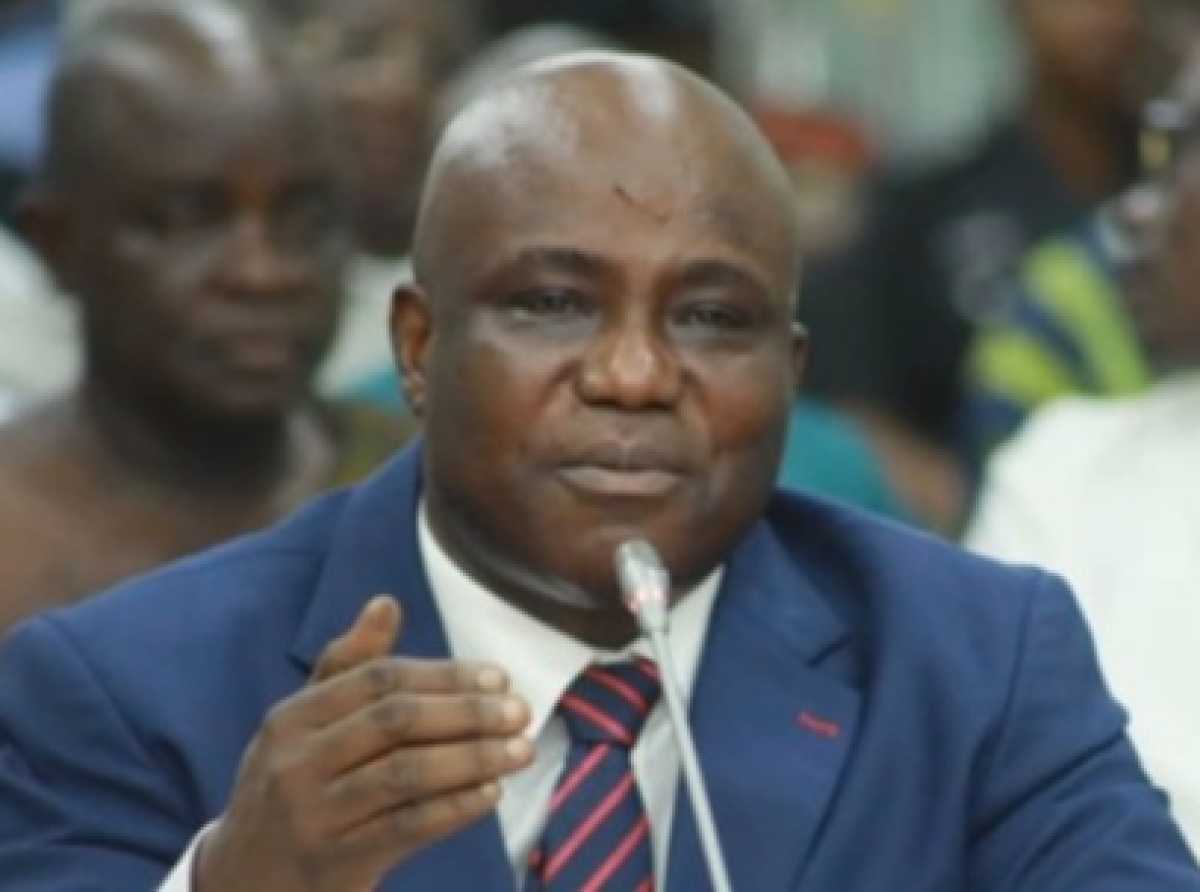
Minister for Food and Agriculture, Eric Opoku, has raised concerns over the failure of many African governments to meet their commitment to allocate at least 10 per cent of national budgets to agriculture and rural development, warning that inadequate investment is undermining efforts to reduce poverty and drive economic transformation across the continent.
Speaking at the Fourth Inter-Parliamentary Conference on Family, Sovereignty and Values on Thursday, June 4, the Minister said agriculture remains one of Africa’s most important sectors but continues to receive insufficient budgetary support in many countries.
He referenced commitments made under the 2003 Maputo Declaration and reaffirmed through the Kampala Declaration, under which African governments pledged to dedicate at least 10 per cent of annual national budgets to agriculture and rural development.
According to Mr. Opoku, the level of investment required to unlock Africa’s agricultural potential and stimulate sustainable economic growth has not been achieved in many countries.
“Through the Maputo Declaration of 2003, reaffirmed under the Kampala Declaration, our governments pledged to allocate at least 10 per cent of their national budget to agriculture and rural development as a means of unlocking the continent’s vast agricultural potential and accelerating economic transformation,” he said.
“However, the reality on the ground tells a different story.”
The Minister noted that available evidence shows that several African countries continue to allocate far below the agreed target, with some dedicating less than one per cent of their national budgets to the agricultural sector.
“In some countries, agriculture receives less than one per cent of their national budget. Others allocate only two or three per cent, while some provide as little as 0.6 per cent,” he stated.
He described such allocations as inadequate for a sector that employs a significant proportion of Africa’s workforce and plays a critical role in food security, job creation, and economic development.
“Such levels of investment are grossly inadequate for a sector that employs the majority of Africa’s workforce,” he added.
Mr. Opoku also called on parliamentarians across the continent to strengthen oversight of government spending and ensure that commitments made to citizens are reflected in national budgets and development policies.
According to him, legislatures have a constitutional duty to monitor public expenditure and hold governments accountable for implementing agreed development priorities.
“Parliaments have a constitutional responsibility to exercise oversight over public expenditure and government policy implementation. They must hold the executive accountable and ensure that their promises made to African citizens are translated into concrete budgetary commitments and measurable outcomes,” he said.
The Minister urged lawmakers to demand explanations whenever agricultural allocations fall below continental targets and to closely monitor how resources are utilized.
“Parliamentarians must demand answers when agricultural allocations fall below agreed continental targets. They must scrutinise budgets, monitor implementation, and insist that agriculture receives the attention and resources necessary to drive national development,” he stated.
Mr. Opoku emphasized that increasing investment in agriculture is essential to improving food security, creating employment opportunities, reducing poverty, and promoting long-term economic growth across Africa.
He called for renewed political commitment and stronger collaboration between governments and legislatures to ensure agriculture remains a central pillar of the continent’s development agenda.

Aikines Anyomi

News
Food
Politics
Technology
About Us
Download Our Mobile App

