
Community Banks flag GH¢5m capital requirement challenges after conversion
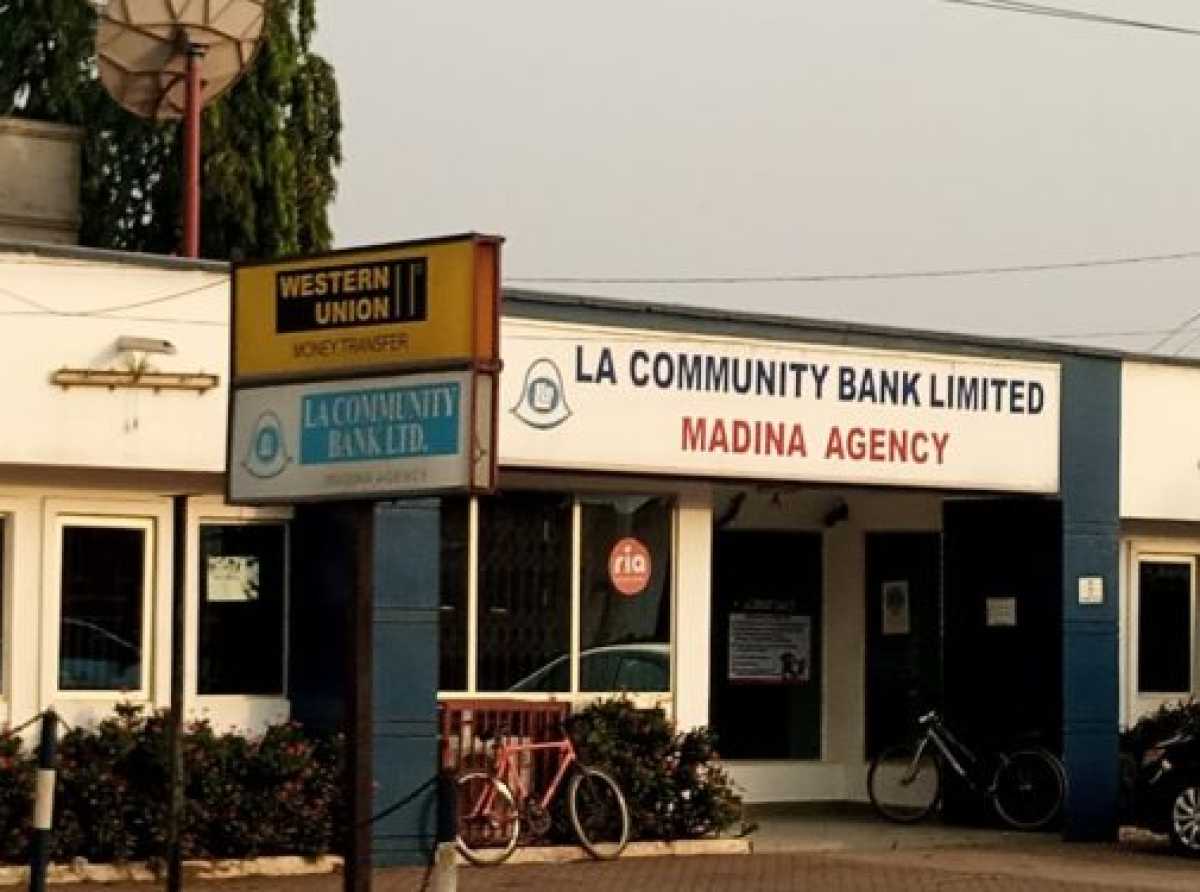
Community banks across Ghana have begun taking steps to comply with new regulatory requirements introduced under the Bank of Ghana’s Revised Microfinance Sector Framework 2026, following the official conversion of all Rural and Community Banks into Community Banks.
The reforms form part of a broader effort by the central bank to modernise Ghana’s microfinance sector, strengthen institutional resilience and expand financial inclusion in both rural and urban communities.
Under the revised framework, all formerly designated rural banks are required to complete statutory name changes, corporate rebranding exercises and other regulatory adjustments by December 31, 2026. The reforms also introduce a new minimum capital requirement of GH¢5 million, a significant increase from the previous GH¢1 million threshold.
Speaking to Citi Business News, Executive Director of the Association of Community Banks, Solomon Amankwah, said member institutions have begun preparing for the transition and recognize the importance of complying with the new directives.
According to him, regulatory reforms have always been a key feature of the banking sector and are intended to strengthen institutions and improve their ability to serve customers effectively.
“It is established that Bank of Ghana is our regulator and time and time again they come out with industry regulations that guide the sector into becoming stronger and more resilient,” he said.
Mr. Amankwah explained that the conversion of rural banks into community banks is part of a long-term transformation agenda aimed at aligning the sector with current economic realities and emerging trends in financial services.
“Being in existence for 50 years, it is time for us to look into ourselves and our activities and try to reshape the sector to resonate with current situations,” he noted.
The restructuring is expected to enhance the operational capacity of community banks, improve governance standards and position institutions to deliver more innovative financial products and services to underserved populations.
While the Association has expressed support for the reforms, Mr. Amankwah acknowledged that some members initially raised concerns about the timelines provided for implementation, particularly the financial burden associated with rebranding, updating corporate identities and meeting new regulatory obligations.
He identified the revised capital requirement as one of the biggest challenges facing some institutions.
“When it comes to the capital requirement, it’s a difficult one. To come by GH¢5 million within a space of one year is not easy,” he stated.
Despite the challenge, he revealed that several community banks have already met the new capital threshold, while others are actively working to mobilise resources and strengthen their balance sheets before the deadline.
“Some of them have already met the GH¢5 million capital requirement. Others are preparing hard to meet the deadline,” he said.
Industry analysts believe the higher capital requirement is intended to improve the financial stability of community banks, enhance depositor confidence and ensure institutions are better positioned to withstand economic shocks.
As part of the implementation process, community banks are required to submit detailed capital mobilisation plans to the Bank of Ghana by June 30, 2026. The central bank will then review progress made by individual institutions in September before conducting a final assessment of compliance at the end of December.
The phased approach is expected to provide banks with the opportunity to demonstrate progress while allowing the regulator to monitor implementation and address potential challenges before the final deadline.
Mr. Amankwah said the Association of Community Banks will continue engaging with the Bank of Ghana throughout the transition period to ensure member institutions receive the necessary support and guidance to meet the new requirements.
However, he acknowledged that concerns remain within the sector regarding whether all institutions will be able to achieve full compliance with the GH¢5 million capital threshold before the end-of-year deadline.
The reforms mark one of the most significant changes to Ghana’s microfinance landscape in recent years and are expected to reshape the operations of community banks as the sector seeks to strengthen its role in supporting local economic development, small businesses and financial inclusion across the country.

Aikines Anyomi

News
Food
Politics
Technology
About Us
Download Our Mobile App

