
Mahama directs GH¢2 diesel price reduction to cushion consumers
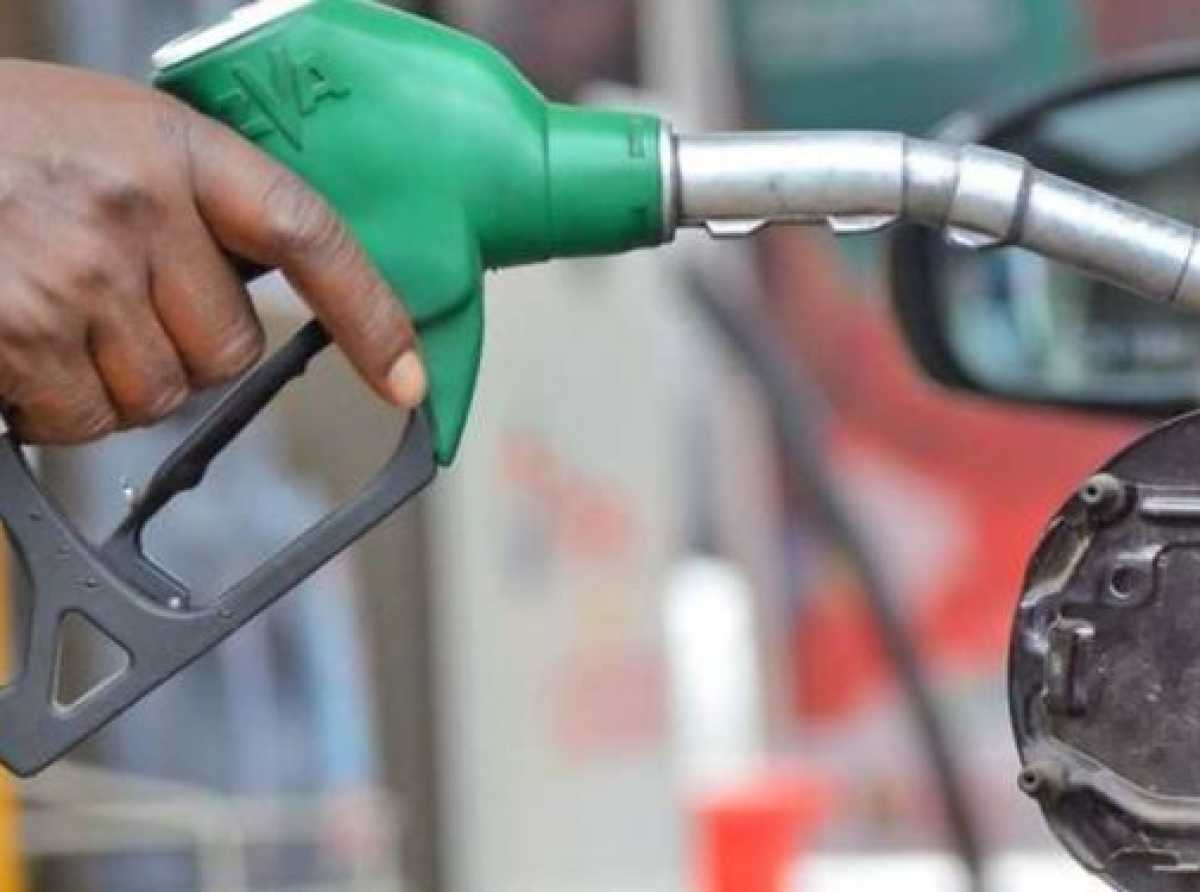
President John Dramani Mahama has directed a GH¢2.00 per litre reduction in the regulatory margin on diesel as part of efforts to cushion Ghanaians from rising fuel prices and ease the pressure on the cost of living.
The temporary intervention, which takes effect on Tuesday, August 4, 2026, was announced in a statement issued on Monday by the Minister for Government Communications and Presidential Spokesperson, Felix Kwakye Ofosu.
According to the government, the measure forms part of Cabinet's strategy to reduce the impact of increasing petroleum prices on households, businesses and the broader economy.
Under the directive, the reduction applies only to diesel and will remain in force for one month, unless the government decides to extend or review the measure.
The government clarified that the intervention does not include a subsidy or regulatory margin reduction for petrol.
Officials say the objective is to provide immediate relief to commercial transport operators, businesses and consumers while helping to contain inflationary pressures arising from higher fuel costs.
The temporary reduction is also intended to discourage increases in public transport fares and minimise the ripple effects of rising fuel prices on the prices of goods and services.
The directive comes amid a sharp increase in pump prices during the first pricing window of August, driven by higher international petroleum prices, geopolitical tensions in the Middle East and continued pressure on the Ghana cedi.
Several Oil Marketing Companies (OMCs) have already adjusted their prices upward.
Current pump prices include:
- Shell: Petrol – GH¢16.29 per litre; Diesel – GH¢19.49 per litre.
- GOIL: Petrol – GH¢15.99 per litre; Diesel – GH¢19.26 per litre; Super XP95 – GH¢17.30 per litre.
- Star Oil: Petrol – GH¢15.57 per litre (up from GH¢14.53); Diesel – GH¢18.97 per litre (up from GH¢18.77).
- TotalEnergies: Petrol – GH¢14.99 per litre; Diesel – GH¢17.98 per litre.
Star Oil attributed the frequent adjustments to rising international refined petroleum prices, exchange rate movements and recent revisions to the National Petroleum Authority's price floor.
This marks the second time the Mahama administration has intervened to cushion consumers against rising fuel prices.
According to the government, the latest measure is aimed at protecting economic recovery by limiting the impact of global energy market volatility on domestic transport and production costs.
Officials believe reducing diesel costs will particularly benefit commercial transport operators, freight companies, manufacturers and other businesses that depend heavily on diesel-powered vehicles and equipment.
The government says it will continue monitoring developments in international oil markets and the domestic petroleum sector to determine whether further interventions become necessary.
Attention will now turn to Oil Marketing Companies to see how quickly they adjust pump prices to reflect the GH¢2 per litre reduction beginning Tuesday.
The administration maintains that protecting consumers from excessive fuel price shocks remains a priority as it seeks to sustain macroeconomic stability while supporting businesses and households facing higher living costs.

Aikines Anyomi

News
Food
Politics
Technology
About Us
Download Our Mobile App

