Some OMCs begin increase in fuel prices; Star Oil sells petrol at GH¢15.20
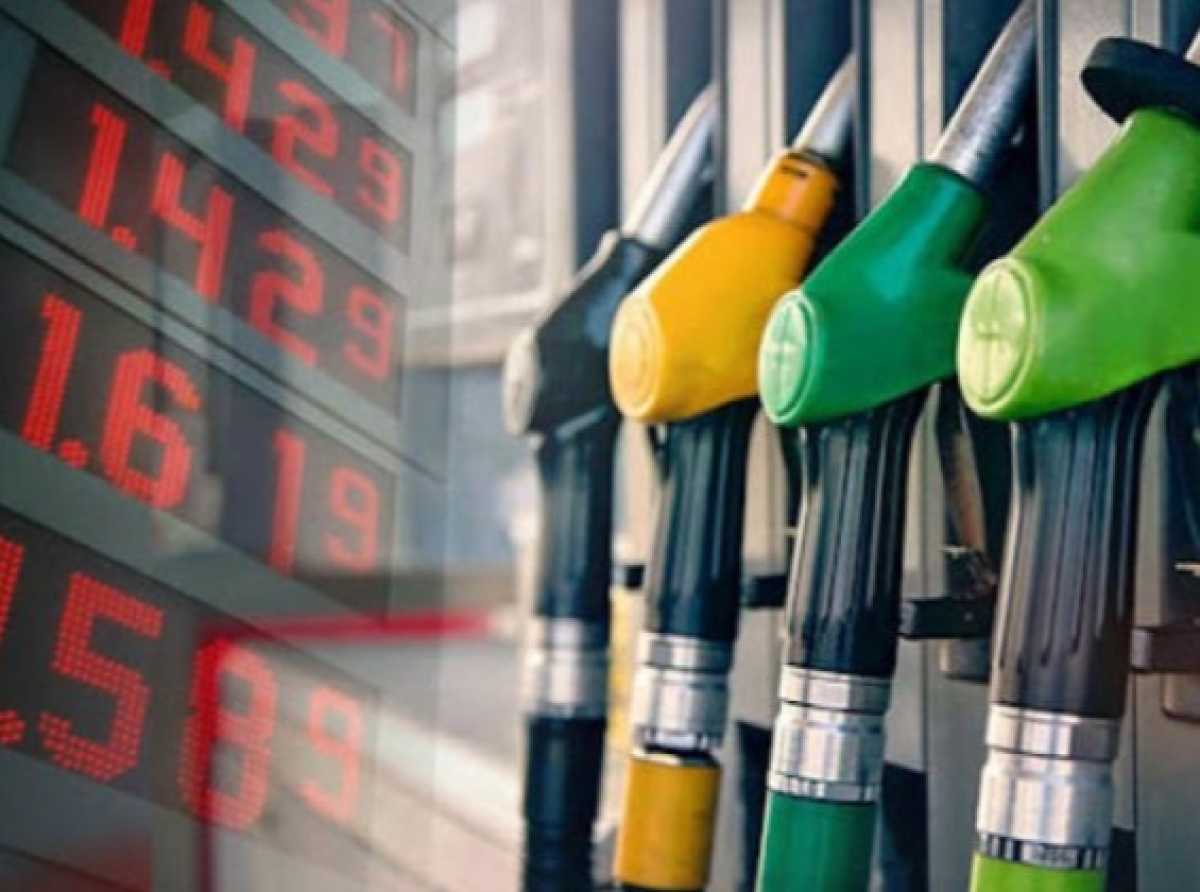
Some Oil Marketing Companies (OMCs) have begun increasing fuel prices at the pumps from June 1, 2026, in line with the latest petroleum pricing window under Ghana’s deregulated fuel pricing regime.
Leading the adjustments, Star Oil increased the price of petrol from GH¢14.60 per litre to GH¢15.20 per litre. However, the company maintained its diesel price at GH¢15.81 per litre.
The development follows the National Petroleum Authority's (NPA) announcement of revised price floors for the June 1–16, 2026 pricing window. Under the new guidelines, OMCs are not expected to sell petrol below GH¢15.20 per litre, representing an increase from the previous pricing period.
For diesel, the NPA set a benchmark price of GH¢15.49 per litre, lower than the previous pricing window, suggesting that consumers could see slight reductions depending on the pricing strategies adopted by individual OMCs.
Industry players and consumers are now watching closely to see how major fuel retailers such as GOIL, Shell, TotalEnergies and Zen Petroleum respond to the latest pricing adjustments.
According to projections by the Chamber of Oil Marketing Companies (COMAC), petrol prices could increase by between 4.2% and 6.2% during the current pricing window. If fully reflected at the pumps, a litre of petrol could sell for as much as GH¢15.92.
Liquefied Petroleum Gas (LPG) is also expected to record an increase of up to 2.24%, pushing prices to approximately GH¢17.30 per kilogramme.
Diesel prices, however, are projected to decline by between 1.65% and 2.0%, offering some relief to transport operators and businesses that depend heavily on the product.
COMAC attributed the mixed pricing outlook to a combination of factors, including movements in global petroleum prices, recent pressure on the Ghana cedi, and ongoing government-industry interventions aimed at cushioning consumers from sharp price increases.
The chamber noted that the Joint Government-Industry intervention mechanism, which was extended on May 16, 2026, continues to play a significant role in moderating fuel prices.
Under the revised framework, the intervention support for petrol has been completely removed, while the subsidy component for diesel has been reduced to GH¢1.07 per litre.
According to COMAC, these measures are helping to soften the impact of higher international fuel prices while allowing local fuel prices to gradually adjust to prevailing global market conditions.
The latest fuel price review is expected to have implications for transportation costs, inflation, and business operating expenses across the country in the coming weeks.

Aikines Anyomi
News
Food
Politics
Technology
About Us
Download Our Mobile App

