Ghana is accelerating investment in roads, railway, ports—Mahama tells UK investors
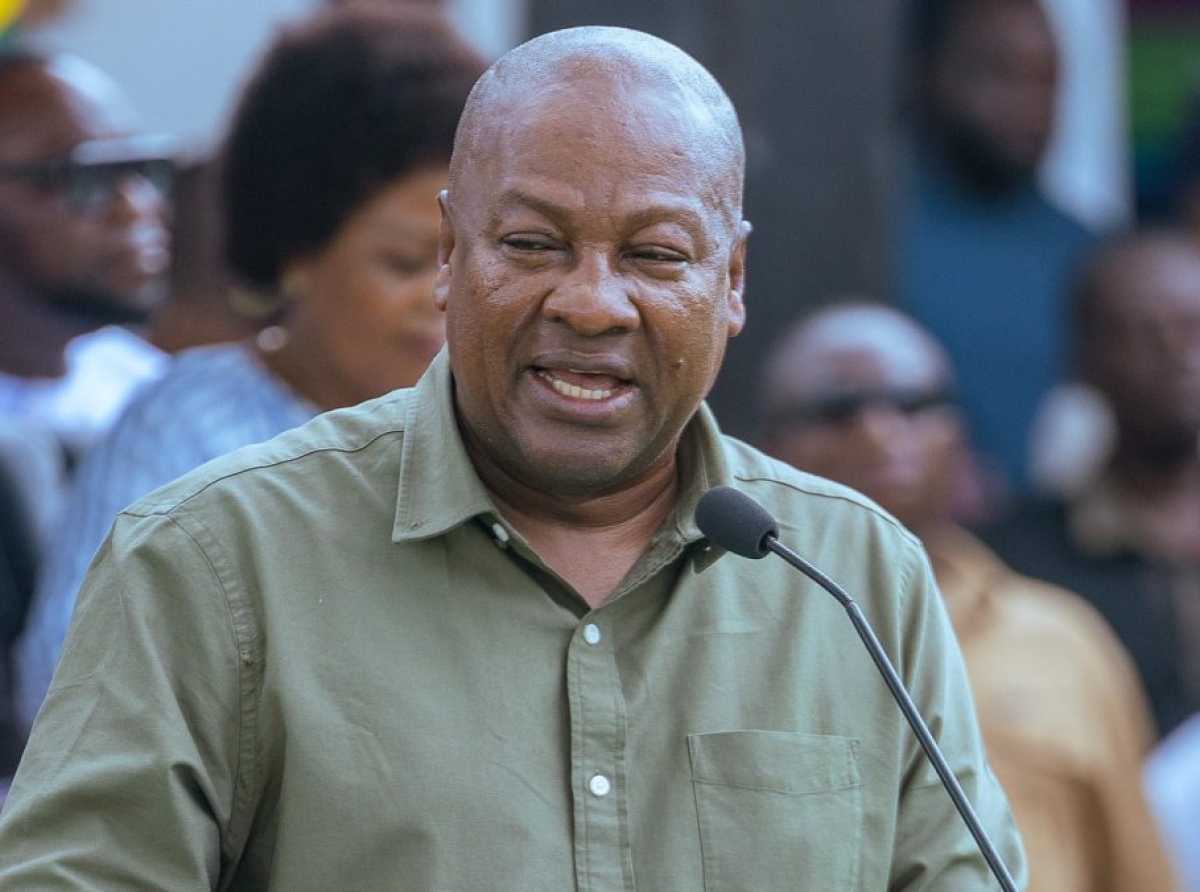
President John Dramani Mahama has assured international investors that Ghana is accelerating major infrastructure investments to drive economic transformation and reinforce its position as a leading trade and investment hub in Africa.
Speaking at the Ghana-UK Investment Summit 2026 in London on Monday, June 1, President Mahama said infrastructure development remains at the heart of the government's economic strategy through the implementation of a US$10 billion five-year Big Push Infrastructure Programme.
According to the President, the initiative is focused on expanding and modernising critical infrastructure across key sectors, including roads, railways, ports, housing, transport corridors, and aviation.
“Infrastructure remains central to our economic transformation agenda. Through the $10 billion five-year Big Push Infrastructure Programme, we’re accelerating investments in roads, railways, ports, housing, transport corridors, and aviation infrastructure,” he stated.
As part of the programme, the government is upgrading major transportation routes across the country, including the Eastern and Western Corridors and the Accra-Kumasi Expressway, which he described as a flagship project.
“We’re modernising key transport corridors, including the Eastern and Western Corridors and the now iconic Accra-Kumasi Expressway,” President Mahama noted.
The President also revealed plans to expand Ghana’s airport infrastructure and establish a new national airline to enhance connectivity, boost tourism, facilitate exports, and strengthen trade links between Ghana and international markets such as the United Kingdom.
“We’re expanding airport infrastructure and pursuing the establishment of a new national airline to improve connectivity and facilitate trade, tourism, and exports between Ghana and major international markets, including, of course, the United Kingdom,” he said.
In addition, President Mahama disclosed that the government is modernising Ghana’s ports and logistics systems to improve efficiency and position the country as a preferred gateway for trade and investment into the African continent.
“We’re also modernising our ports and logistics systems to strengthen Ghana’s position as the preferred trade and investment gateway to Africa,” he added.
Highlighting Ghana’s investment appeal, the President said the country’s strongest asset is its youthful and entrepreneurial population.
“Our greatest competitive advantage is our people. We’re a young, ambitious, entrepreneurial, English-speaking population operating within one of Africa’s most stable democratic systems,” he stated.
He further pointed to Ghana’s governance credentials, stressing that political stability, an independent judiciary, and predictable legal frameworks continue to make the country an attractive destination for investors.
“Our legal system is predictable based on English common law. Our judiciary is independent. Power transitions are peaceful, and our institutions remain strong,” he said.
President Mahama emphasised that investor confidence depends on transparency, good governance, and institutional stability.
“For investors, stability is important. Governance matters, and transparency matters,” he noted.
The President said his administration is implementing public sector reforms aimed at improving the ease of doing business through digital transformation, streamlined regulations, and enhanced investor protection.
“My government understands this clearly, and that’s why we’re strengthening public sector reforms, digitising public services, improving regulatory efficiency, simplifying business registration processes, and enhancing investment protection,” he said.
He also highlighted the recently enacted Ghana Investment Promotion Authority Act, describing it as a significant step toward making Ghana’s investment climate more competitive and investor-friendly.
According to President Mahama, the law removes minimum capital requirements in several sectors, strengthens investor protections, guarantees profit repatriation, and reduces bureaucratic barriers to business operations.
He expressed confidence that the reforms will attract increased domestic and foreign investment while supporting long-term economic growth and job creation.

Aikines Anyomi

News
Food
Politics
Technology
About Us
Download Our Mobile App

