Energy sector still needed GH¢12.9bn in gov’t support despite higher ESLA levy in 2025 – Finance Ministry
A new report by the Ministry of Finance on the management of the Energy Sector Support Account has revealed that revenue generated from the Energy Sector Shortfall and Debt Repayment Levy remained insufficient to fully finance Ghana’s energy sector obligations in 2025, despite the introduction of the additional GH¢1 levy.
The findings highlight the continued financial challenges facing the energy sector, with government forced to provide substantial support from the national treasury to bridge a significant funding gap.
According to the report, total revenue collected from the levy reached GH¢8.66 billion in 2025. However, energy sector payments for the year amounted to GH¢22.67 billion, equivalent to approximately US$1.9 billion, leaving a shortfall that required direct government intervention.
Among the major expenditures recorded were GH¢5.46 billion used to settle outstanding gas invoices owed to ENI and Vitol for power generation, GH¢4.54 billion to clear legacy debts owed to Independent Power Producers (IPPs), GH¢6.94 billion to restore the World Bank Partial Risk Guarantee, and GH¢5.73 billion for the procurement of liquid fuel and gas to support electricity generation.
With expenditure significantly exceeding revenue, the government transferred an additional GH¢12.85 billion from the Treasury Main Account through the Controller and Accountant-General’s Department to support the sector.
The report showed that GH¢5.16 billion of the Treasury support was used to finance current energy sector shortfalls, while GH¢7.69 billion was directed towards repaying legacy debts accumulated over the years.
The figures emerge at a time when the Electricity Company of Ghana (ECG) is reportedly complying fully with the Cash Waterfall Mechanism and has reduced concerns about revenue under-declaration. Additionally, the relative stability of the Ghana cedi has helped ease one of the major pressures on the sector, as many fuel and gas procurement contracts are denominated in US dollars while electricity tariffs are paid in cedis.
Analysts note that some of the major costs incurred in 2025 may not recur in subsequent years. For instance, the restoration of the World Bank Partial Risk Guarantee was a one-off obligation following the drawdown of the facility. Similarly, ongoing efforts to clear legacy debts could reduce future financial burdens on the sector.
Government is also pursuing broader reforms, including private sector participation in ECG’s distribution operations and measures aimed at reducing technical and commercial losses across the electricity value chain.
Despite these efforts, the 2026 Budget projects energy sector financing requirements of GH¢15.2 billion, an increase from approximately GH¢12 billion in 2025.
The figures suggest that while the additional GH¢1 levy has helped narrow the financing gap, it has not resolved the sector’s deeper structural challenges.
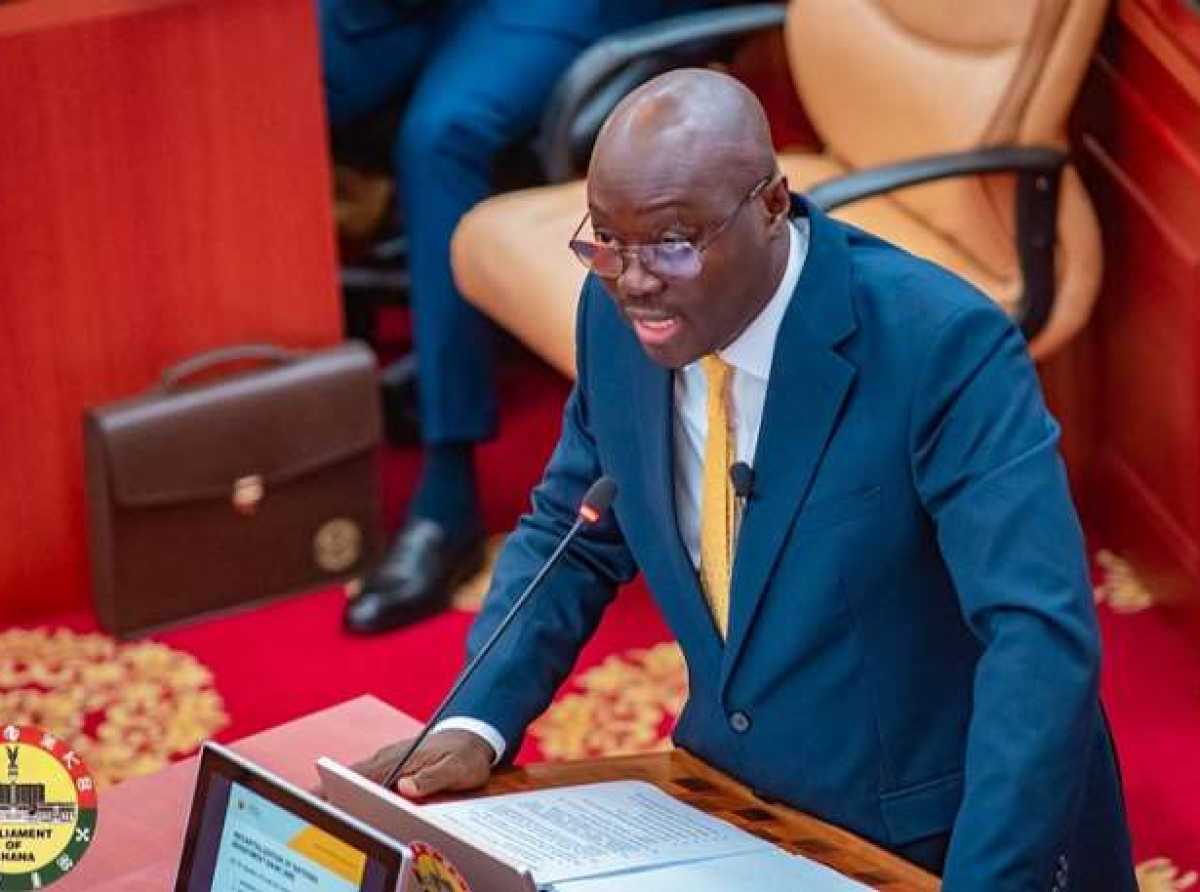
Finance Minister Dr. Cassiel Ato Forson has previously acknowledged that Ghana’s energy sector difficulties extend beyond funding and taxation issues. Key concerns include poor revenue collection, persistent system losses, weaknesses in the implementation of the Cash Waterfall Mechanism, expensive power purchase agreements, and inefficiencies throughout the energy value chain.
The Ministry’s report concludes that although the levy has provided some financial relief, sustainable recovery of the sector will depend largely on comprehensive structural reforms rather than additional taxes alone.

Aikines Anyomi

News
Food
Politics
Technology
About Us
Download Our Mobile App

