
Bagre Dam spillage: 68 communities in Northern region alerted as Burkina Faso monitors water levels
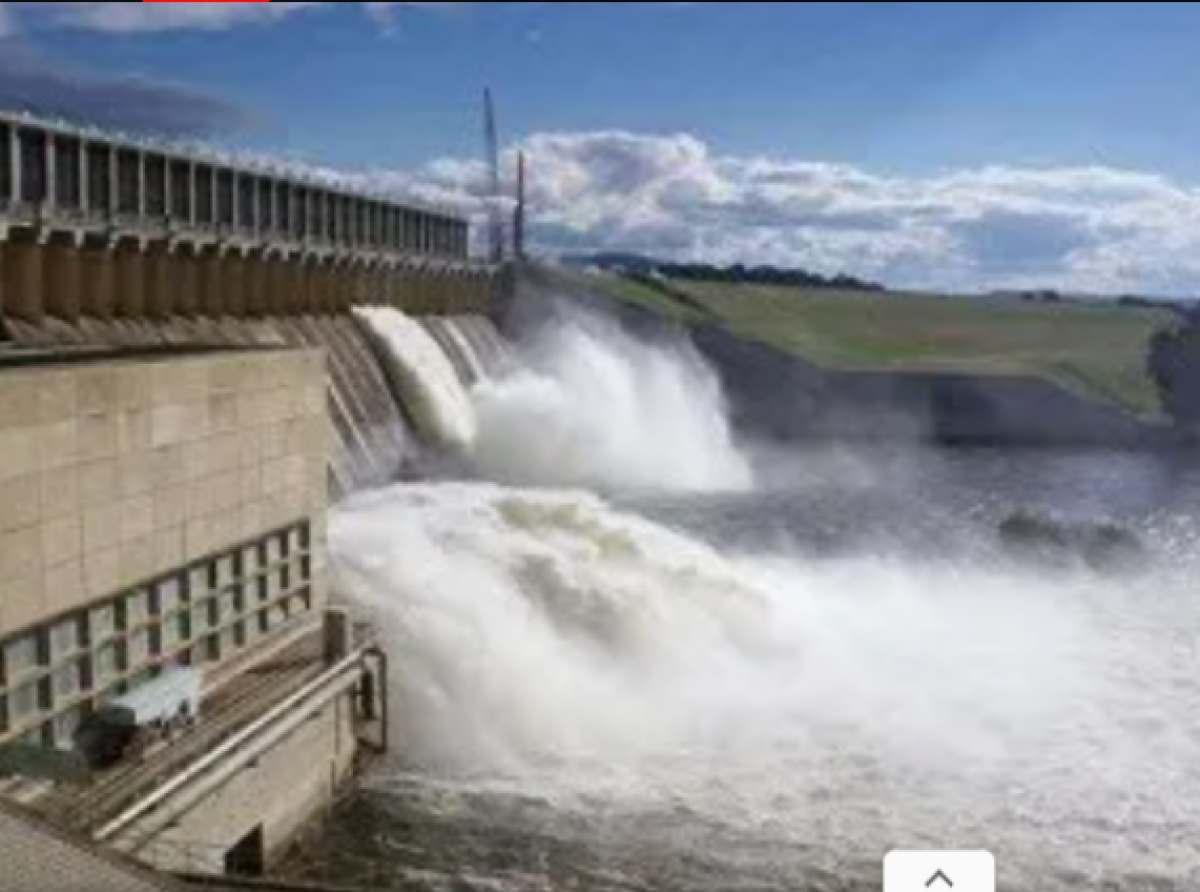
Authorities in Ghana’s Northern Region have placed communities along the White Volta Basin on alert as they closely monitor water levels at Burkina Faso’s Bagre Dam, despite the dam remaining below the threshold for spillage.
The National Disaster Management Organisation (NADMO) said Burkina Faso has temporarily suspended plans to release water from the dam after relatively low rainfall was recorded upstream.
Chief Disaster Control Officer at NADMO, Idresu Abdubakari Ziblim, said Ghana was initially notified by Burkina Faso’s electricity company, SONABEL, about a possible spillage on August 11, 2026.
However, the planned release was put on hold because the Bagre Dam had not reached its maximum operating level.
“We received information from our partners from Burkina Faso, that is SONABEL, of their intention to spill the Bagre Dam on the 11th of August 2026, that is today. But due to the low rainfall they also recorded upstream, the Kompienga Dam is feeding the Bagre Dam, but the Bagre Dam is not yet full to its capacity,” Mr Ziblim explained.
According to NADMO, the water level at the Bagre Dam stood at 233.08 metres as of August 10, while the spillage threshold is 234.15 metres.
This means the dam remains 1.07 metres below the stated spillage threshold.
Mr Ziblim said the water level remained unchanged on August 11 and that Ghana had not received confirmation that the dam had started spilling.
“As at now, just today, 11th August 2026, we just received a message from them that the water level is still the same at 233.08,” he said.
Although no spillage has occurred, NADMO has activated precautionary measures in four districts identified as particularly vulnerable to flooding.
The affected areas are Tolon, Kumbungu, Savelugu Municipal and Karaga Municipal.
According to NADMO:
- Kumbungu has 15 communities along the basin;
- Tolon has 17 communities;
- Savelugu has 21 communities; and
- Karaga has 15 communities.
This brings the total number of communities currently on alert to 68.
Residents are being informed through local radio stations, community engagements and disaster volunteers. District NADMO officials are also working with the Information Services Department and the various Metropolitan, Municipal and District Assemblies.
Additional sensitisation is being carried out through churches, mosques and the Northern Regional Disaster Management Platform.
NADMO has begun positioning emergency response resources in anticipation of any possible flooding.
Mr Ziblim disclosed that a rapid response team from the 51st Regiment of the Ghana Armed Forces is being prepositioned at Walewale in the West Mamprusi area.
The team has outboard motors to enable emergency responders to reach communities that could become inaccessible if floodwaters rise.
Safe havens have also been identified in schools, churches and mosques, while the Ghana Red Cross Society and Ghana National Fire Service have been placed on standby.
Health authorities are also being prepared for potential emergencies associated with flooding.
NADMO has alerted the Ghana Health Service to replenish anti-snake venom and other essential medical supplies because floods can force snakes and scorpions into populated areas.
Mr Ziblim also warned about the potential spread of cholera and other waterborne diseases if floodwaters contaminate wells and latrines.
“We have alerted the Ghana Health Service to make sure that they quickly replenish anti-snakebites,” he said.
NADMO has distributed Aquatabs donated by World Vision to assist residents in disinfecting drinking water.
Mr Ziblim explained that wells and latrines could become inundated during flooding, increasing the risk of contamination of drinking-water sources.
NADMO has also previously positioned relief items at the Tamale International Airport to facilitate rapid deployment of emergency supplies.
The arrangement is expected to allow the Ghana Air Force to airlift relief materials to communities that could become cut off by floodwaters.
The current preparations are partly informed by the devastating floods associated with Bagre Dam releases in 1997 and 1998, which Mr Ziblim said resulted in 20 deaths.
He appealed to Burkina Faso to ensure that any future release of water is carefully controlled to minimise the impact on downstream communities in Ghana.
“If they open one or two, it will be controlledly managed by us, both in the Upper West, Upper East, North East, and the Northern regions, as well as the Savanna regions also,” he said.
NADMO has also urged farmers and livestock owners operating close to the White Volta Basin to take precautionary measures.
Nomadic cattle rearers have been advised to move their animals to higher ground, while farmers with mature crops have been encouraged to harvest them where possible.
“We advise the farmers, especially the nomadic livestock cattle rearers, to make sure that they always move uphill with their animals,” Mr Ziblim said.
Farmers whose crops are mature have also been advised to harvest them, while those with immature crops have been urged to prioritise their safety and move away from flood-prone areas if necessary.
Mr Ziblim said Ghana recorded no casualties from last year's flooding due to joint monitoring and assessment by relevant stakeholders.
Authorities are therefore urging residents in vulnerable communities to remain vigilant, monitor official updates and comply with safety instructions as Ghana continues to monitor developments at Burkina Faso’s Bagre Dam.

Aikines Anyomi

News
Food
Politics
Technology
About Us
Download Our Mobile App

