
Food
No item found!
The Silent Threat: Why 20,000 Ghanaians are Living with TB and Don’t Know It
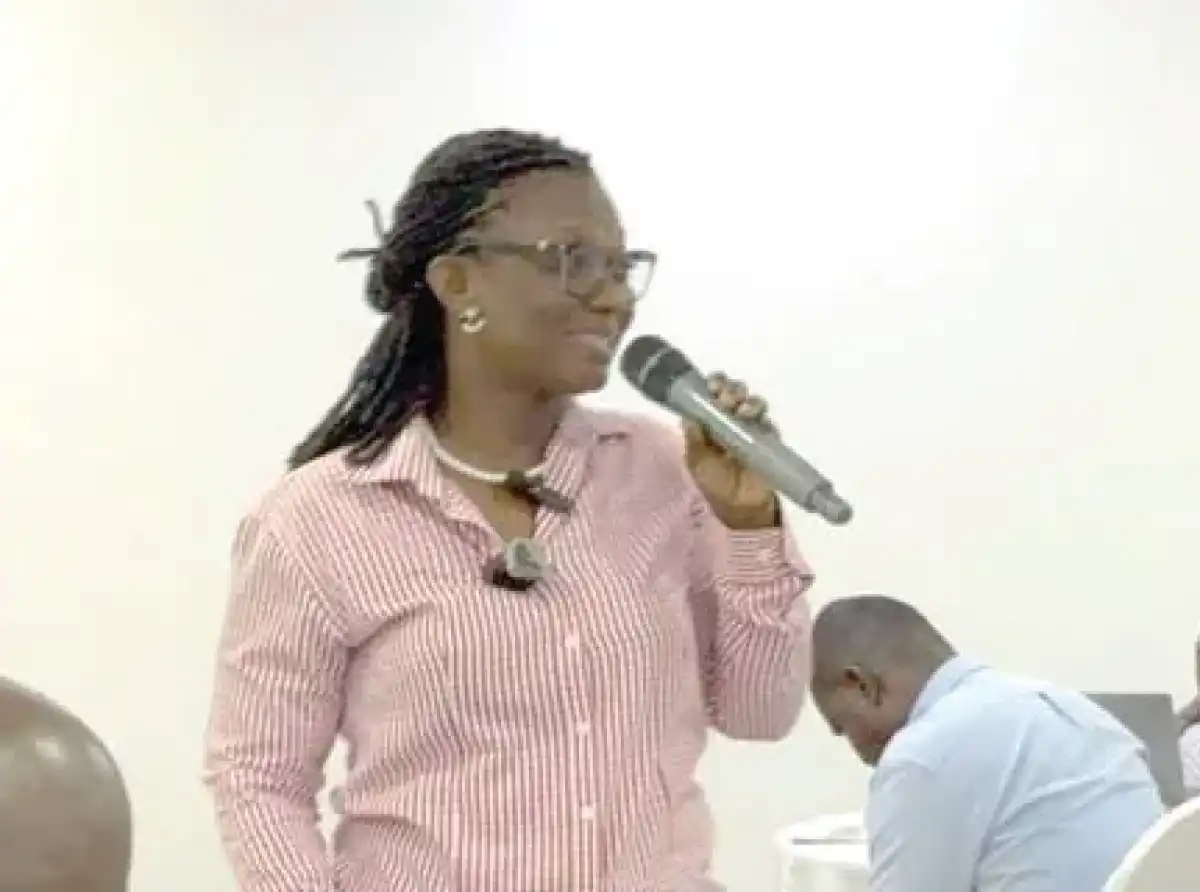
While the world’s attention is often gripped by sudden outbreaks, a much older enemy is quietly gaining ground in Ghana. New data from the National Tuberculosis Programme (NTP) reveals a chilling gap in our healthcare system: every year, nearly 20,000 Ghanaians contract Tuberculosis (TB) but are never officially diagnosed.
The "Missing" Thousands
Ghana records about 44,000 new TB cases annually. However, our clinics and hospitals are only catching about half of them. This means there are thousands of people—our neighbors, colleagues, and commuters—walking around with a highly contagious, yet curable, disease without receiving treatment."The danger isn't just to the person who is sick," says a public health official from the NTP. "One untreated TB patient can infect between 10 to 15 other people in a single year just by breathing, coughing, or talking nearby."
Who is Most at Risk?
The crisis isn't hitting everyone equally. Health experts are pointing to three "hot zones" where the undetected cases are most likely hiding:
Mining Communities: Dust and poor lung health in mining areas make workers and residents sitting ducks for the bacteria.
Congested Urban Slums: In areas where ten people might share a single unventilated room, the spread is rapid.
Prison Cells: Overcrowding in our correctional facilities has turned some blocks into TB incubators.
Perhaps most heartbreaking is the surge in pediatric TB. Children are harder to diagnose because they don't always produce the typical "phlegm" needed for testing, meaning many young ones are suffering in silence.
The Stigma Barrier
Why aren't people coming forward? According to health advocates, it’s the "S-word": Stigma. Many Ghanaians still associate a chronic cough with HIV or "spiritual attacks," leading patients to hide their symptoms or seek herbal cures that don't work against TB bacteria.
"We need people to understand that TB treatment in Ghana is 100% free," the NTP emphasized today. "If you’ve had a cough for more than two weeks, don't hide. Come forward. You aren't just saving your own life; you're protecting your family."
A Call to Action
The Ministry of Health is now pushing for more "active case finding"—meaning health workers won't just wait in clinics; they are going into the markets, the galamsey sites, and the zongos with mobile X-ray vans.

George Akwasi Tchie

News
Food
Politics
Technology
About Us
Download Our Mobile App

