AKSA bribery claims: Parliament finds no evidence against MPs, staff
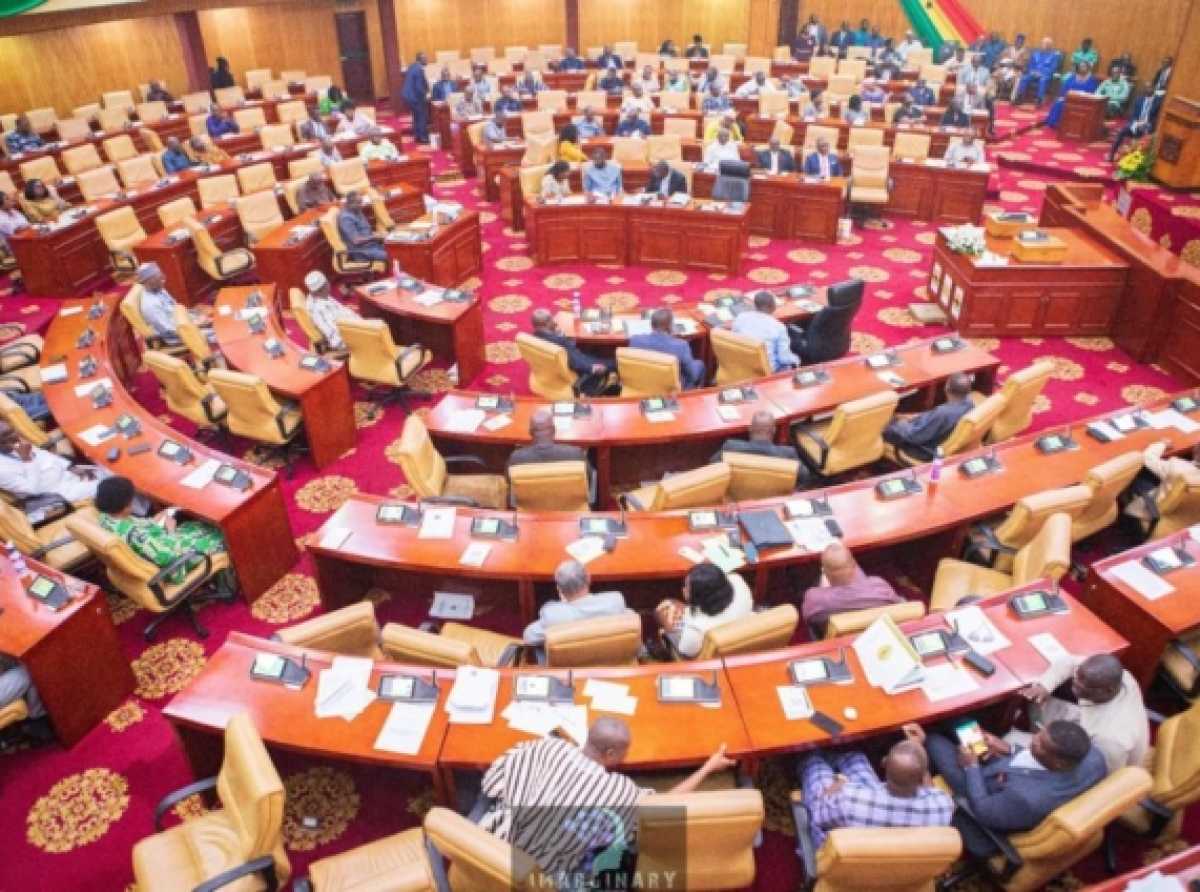
Parliament has found no evidence that any Member of Parliament or officer of the Parliamentary Service received money allegedly paid to influence the approval of the 2015 AKSA emergency power agreement.
The finding follows an internal administrative review commissioned by Speaker of Parliament Alban S.K. Bagbin to examine allegations that approximately US$46,000 was paid to individuals associated with the House in connection with the agreement.
However, Mr Bagbin has cautioned that the outcome does not establish that no bribes were paid or absolve anyone who may have received such payments.
Addressing Parliament on Wednesday, November 11, 2026, the Speaker said the review report, together with supporting documents, would be forwarded to the Office of the Special Prosecutor (OSP) and other relevant investigative agencies for further examination.
Mr Bagbin said the administrative exercise was intended to establish the circumstances surrounding Parliament’s consideration and approval of the agreement, identify individuals who participated in the process and determine what information the institution could provide to assist ongoing investigations.
As part of the review, officials examined parliamentary records, including the Votes and Proceedings, official reports, committee documents, the report of the Committee on Mines and Energy and the resolution through which the House approved the agreement.
Some former and serving officers of the Parliamentary Service, as well as a former chairperson of the Committee on Mines and Energy, were also interviewed.
According to the Speaker, neither the documentary evidence examined nor the interviews established that any MP or Parliamentary Service officer received the alleged payments.
He stressed, however, that the finding should not be interpreted as a final determination of the wider bribery allegations.
The Speaker explained that the review was limited by its administrative nature and did not have the powers required to conduct a full criminal investigation.
It could not compel witnesses to appear, take evidence under oath or demand the production of documents.
The exercise also did not have access to bank records, financial transactions or communications held outside Parliament.
Mr Bagbin said these limitations meant the review could not establish the criminal guilt or innocence of any person implicated in the allegations.
He maintained that investigating financial transactions and gathering evidence beyond Parliament’s institutional records remained the responsibility of the appropriate law enforcement agencies.
The controversy is connected to the conviction in the United States of Asante Kwaku Berko, a former Goldman Sachs employee, for his role in facilitating alleged bribe payments to Ghanaian officials.
Berko is awaiting sentencing in the case, which concerns the development and financing of a power generation project in Ghana by Turkish energy company AKSA.
The alleged payments were linked to efforts to secure support for the power project and the approval of the emergency power agreement.
Mr Bagbin said the decision to transmit the review report and supporting documents to the OSP and other relevant investigative agencies was intended to assist further inquiries.
The agencies will be able to examine the information gathered by Parliament alongside other evidence, including financial records and communications that were beyond the scope of the administrative review.
The Speaker emphasised that Parliament’s findings should not be treated as a final conclusion on whether bribery occurred, leaving the wider investigation to the institutions with the legal authority to pursue it.

Aikines Anyomi
News
Food
Politics
Technology
About Us
Download Our Mobile App

