Bawumia meets TUC leadership to discuss living wage, jobs and pensions
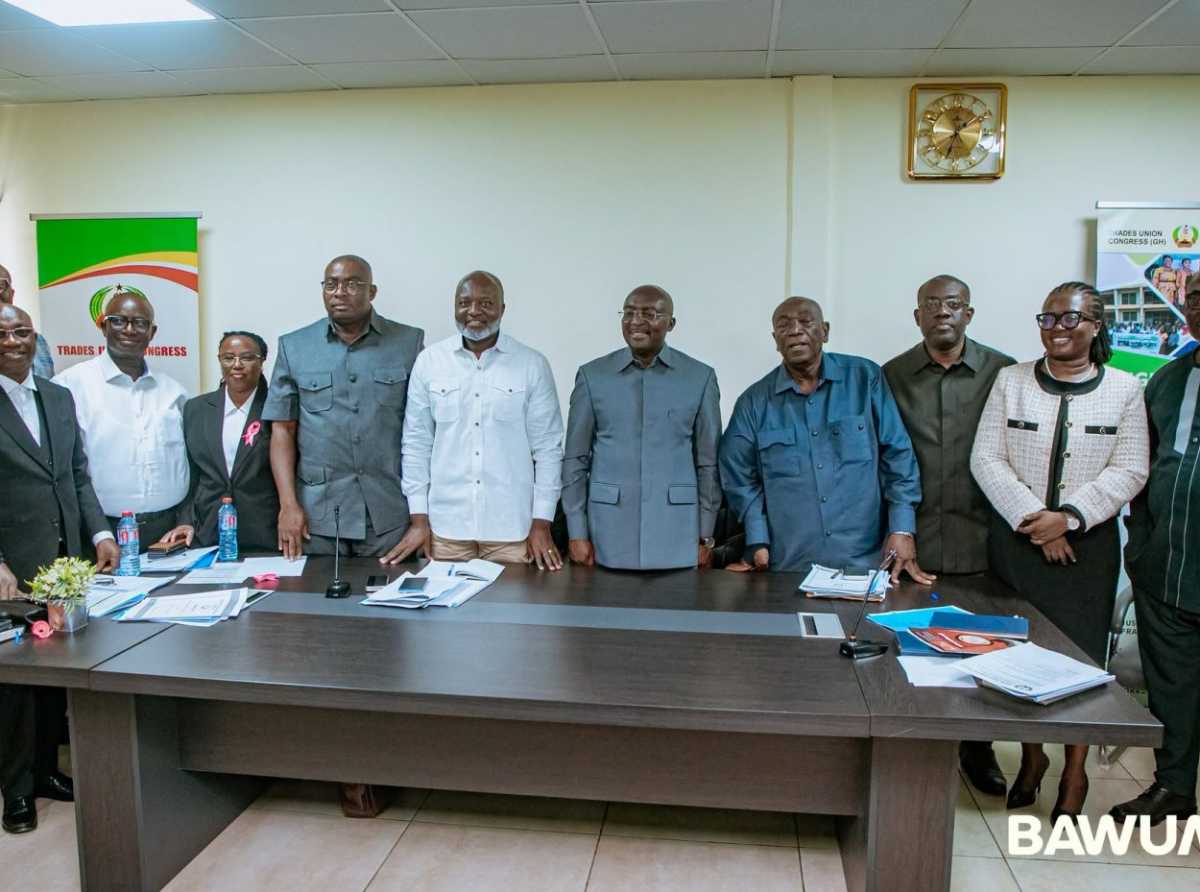
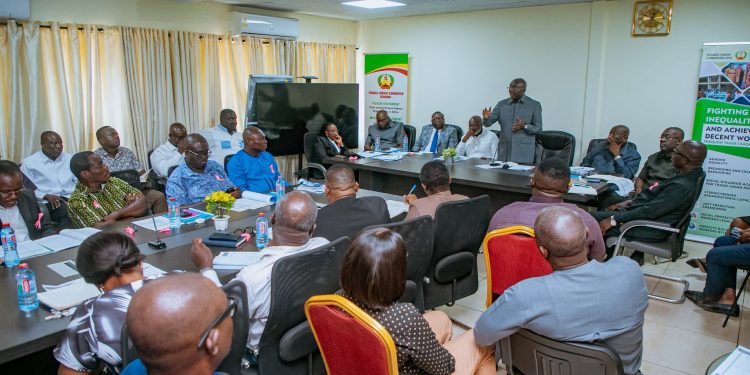
Flagbearer of the New Patriotic Party (NPP), Dr Mahamudu Bawumia, has held discussions with the leadership of the Trades Union Congress (TUC) on measures to address the rising cost of living, improve wages and expand employment opportunities for young people in Ghana.
The meeting, held at the TUC Hall as part of his ongoing stakeholder consultations, also focused on pension improvements, disability inclusion and the need to strengthen Ghana’s economic resilience against external shocks.
In a Facebook post following the engagement, Dr Bawumia said the discussions provided an opportunity to examine issues affecting workers and explore ways to improve their welfare.
He said the meeting covered several priority areas, including the delivery of a living wage, youth job creation and the development of a social contract between government and organised labour.
The cost of living and the need for wages to meet workers’ basic needs featured prominently in the discussions.
Dr Bawumia said the engagement addressed concerns affecting Ghanaian workers, including how to deliver a living wage amid economic pressures.
The discussions also explored ways government and organised labour could work together to improve workers’ welfare and address challenges affecting household finances.
A living wage generally refers to an income sufficient to cover essential expenses, although the amount required depends on factors such as household size, location and prevailing prices.
Youth employment was another major issue discussed during the meeting, with Dr Bawumia highlighting the need to expand job opportunities for young people.
The engagement considered employment creation as part of broader efforts to improve economic prospects and support the welfare of Ghana’s workforce.
The discussions brought together concerns about workers’ current earnings and the need to create opportunities for young people entering the labour market.
However, Dr Bawumia did not announce specific employment targets or new programmes in his post. He indicated that the details of the issues discussed would be pursued in subsequent meetings.
The meeting also addressed pensions, which remain an important component of workers’ financial security after retirement.
Discussions on pension improvements focused on the broader need to protect workers’ welfare beyond their years of active employment.
Disability inclusion was also among the issues raised, reflecting the need to consider the participation and welfare of persons with disabilities in employment and national development.
The engagement provided an opportunity for the TUC leadership and its constituent groups to share perspectives on these issues with the NPP flagbearer.
Dr Bawumia said the discussions also examined the possibility of a social contract between government and organised labour to strengthen Ghana’s economic resilience against external shocks.
Such cooperation could involve continued dialogue on wages, employment, pensions and other policies affecting workers, although no specific agreement or implementation framework was announced following the meeting.
In his Facebook post, Dr Bawumia described the engagement as an opportunity for open dialogue and expressed appreciation to the TUC leadership for sharing its experience and perspectives.
He said: “We agreed to follow up on specifics in subsequent meetings.”
The statement suggests that further discussions are expected to address the details of the proposals and issues raised during the engagement.
The meeting forms part of Dr Bawumia’s stakeholder consultations, through which he is engaging groups and institutions on issues relating to workers’ welfare, employment and Ghana’s economic outlook.

Aikines Anyomi

News
Food
Politics
Technology
About Us
Download Our Mobile App

