Fmr TOR MD Berko will be sentenced on Nov. 10 by US federal jury, faces a maximum of 30yrs in prison - OSP
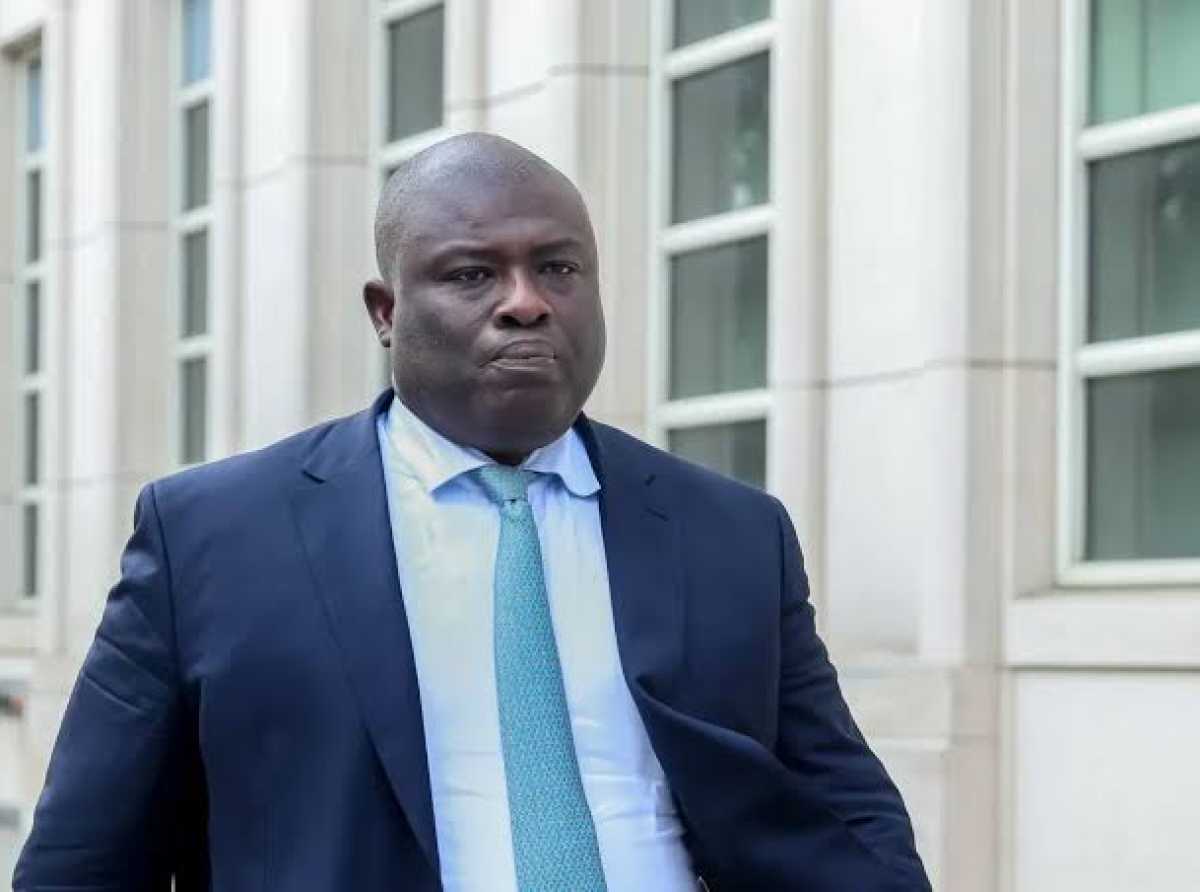
Former Tema Oil Refinery (TOR) Managing Director and ex-Goldman Sachs banker Asante Kwaku Berko is scheduled to be sentenced on November 10, 2026, following his conviction by a federal jury in Brooklyn, New York, over a bribery scheme involving a power plant project in Ghana.
The Office of the Special Prosecutor (OSP) has disclosed that it provided investigation and evidentiary assistance to the United States Federal Bureau of Investigation (FBI) during the case, describing the conviction as a significant outcome of international cooperation in the fight against cross-border corruption.
The OSP said its contribution to the investigation had been acknowledged by the United States Department of Justice (DoJ) as providing “significant assistance to this prosecution.”
In a statement titled “Conviction of Asante Kwaku Berko: International Cooperation in Action,” the OSP said Berko was convicted on August 6, 2026, by a federal jury in Brooklyn.
The former TOR managing director, who holds both Ghanaian and US citizenship, was convicted on charges including conspiracy to violate the US Foreign Corrupt Practices Act (FCPA), violating the FCPA and conspiracy to commit money laundering.
The charges relate to allegations that Berko conspired to pay more than US$1 million in bribes to several Ghanaian government officials between 2014 and 2015 to facilitate the development and financing of a power plant in Ghana.
According to the OSP, Berko faces a maximum sentence of 30 years in prison, with the sentence scheduled to be handed down on November 10, 2026.
The OSP said its collaboration with the FBI was conducted through Ghana's established mutual legal assistance framework.
It described the outcome as evidence of the importance of cooperation between law enforcement agencies across jurisdictions in investigating complex corruption and financial crimes.
“This case highlights the effectiveness of international cooperation in combating cross-border corruption crimes,” the OSP stated.
The office added that the cooperation between the FBI and the OSP largely took place behind the scenes, with the successful prosecution demonstrating the value of mutual legal assistance.
The US prosecution centred on a power project involving Ghana and Turkish energy company Aksa Enerji Uretim A.S., which was also a Goldman Sachs client.
US prosecutors said Berko, who was then an executive director in Goldman Sachs' investment banking division, was responsible for securing and managing the transaction between Ghana and Aksa.
The project was intended to involve the construction and financing of a power plant at a time when Ghana was experiencing a severe energy crisis.
According to evidence presented during the trial, Berko and his co-conspirators sought to ensure that Aksa won the opportunity to build and operate the power plant.
Prosecutors alleged that more than US$1 million in bribes was arranged or paid to multiple Ghanaian government officials in connection with the transaction.
The alleged payments were intended to influence decisions and approvals necessary for the project to proceed.
The prosecution also presented evidence concerning alleged efforts to conceal the payments through shell companies, sham invoices, nominee accounts and other financial arrangements.
During the nine-day trial, US prosecutors outlined several alleged instances of bribery linked to the project.
Among the evidence presented was an alleged discussion in April 2015 about paying US$1 million to Ghana's then Minister of Power, who was responsible for key approvals connected to the project, as well as US$250,000 to a senior adviser.
Prosecutors also alleged that five Ghanaian officials were taken on an all-expenses-paid trip to Turkey to inspect equipment associated with the proposed power plant.
After Ghana's Parliament ratified the agreement between the government and Aksa in July 2015, prosecutors said Berko and his associates continued discussing payments to individuals connected to the transaction.
In August 2015, for instance, the conspirators allegedly discussed US$250,000 in bribe payments, including a payment of US$46,000 to individuals in Ghana's Parliament who had participated in ratifying the agreement.
US prosecutors further alleged that Berko personally made some of the payments.
Evidence presented at the trial also focused on Berko's alleged efforts to conceal the scheme from Goldman Sachs.
Prosecutors said he misled the bank's compliance team, which was responsible for vetting the transaction.
He allegedly used a personal email account rather than his Goldman Sachs account to communicate about the deal and instructed associates to do the same.
The alleged bribe payments were also said to have been routed through shell companies, sham invoices, nominee account holders and bank accounts in both the United States and other countries.
Goldman Sachs eventually withdrew from the transaction after corruption concerns emerged.
The conviction has triggered renewed calls for Ghanaian authorities to investigate the local side of the case and determine whether individuals in Ghana who were allegedly involved should face legal consequences.
Deputy Attorney-General Justice Srem Sai has indicated that Attorney-General Dr Dominic Ayine is working with US authorities to investigate persons implicated in the bribery scheme surrounding the power plant agreement.
The cooperation is expected to focus on the Ghanaian dimension of the allegations and whether any individuals breached Ghanaian laws.
The development follows calls from civil society organisations, including Transparency International Ghana, for all persons mentioned or linked to the case to be interrogated.
Transparency International Ghana Executive Director Mary Addah has argued that Ghana must go beyond the US conviction and examine the roles of all individuals connected to the transaction.
She said such an investigation would enable Ghana to establish the facts, identify potential wrongdoing and determine whether public officials or private actors violated national laws or ethical standards.
Berko, 52, was arrested and extradited to the United States before standing trial in Brooklyn.
Following the nine-day proceedings, a federal jury found him guilty on all counts contained in the indictment.
US authorities described the conviction as an important victory in their efforts to combat international corruption and protect fair competition for American companies operating in the global economy.
US Attorney for the Eastern District of New York Joseph Nocella said Berko had abused his access to senior foreign government officials and his position at a major American investment bank to enrich himself.
Assistant Attorney General A. Tysen Duva of the US Justice Department's Criminal Division also said the conviction demonstrated that individuals who undermine fair competition by corrupting foreign governments would face prosecution.
The FBI acknowledged assistance from US and international partners, including authorities in the United Kingdom, the US Marshals Service and INTERPOL, in securing Berko's arrest and extradition.
With his conviction now secured, attention will turn to November 10, 2026, when a US federal court is expected to determine the sentence Berko will serve.
The case has also placed renewed focus on Ghana's responsibility to investigate the alleged recipients and facilitators of the bribery scheme and determine whether further prosecutions or sanctions are warranted under Ghanaian law.

Aikines Anyomi
News
Food
Politics
Technology
About Us
Download Our Mobile App

