Interrogate all persons linked to former TOR MD bribery case – Mary Addah
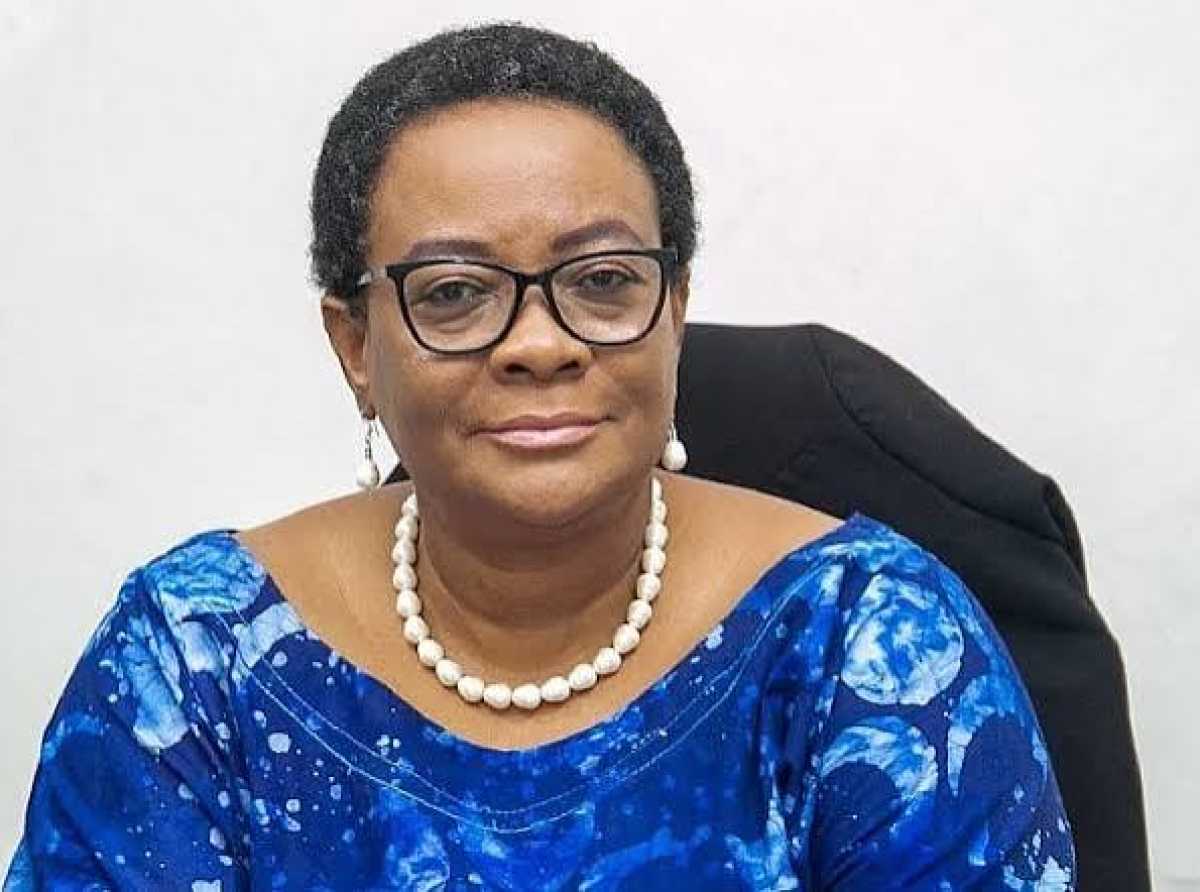
Transparency International Ghana Executive Director Mary Addah has called for a comprehensive investigation into all individuals linked to the corruption case involving former Goldman Sachs banker Asante Berko, saying Ghana must fully examine the local dimension of the case.
Mrs Addah said investigating the roles of everyone connected to the matter would be critical to uncovering the full circumstances surrounding the alleged bribery scheme and ensuring that any persons who may have breached Ghanaian laws or ethical standards are held accountable.
Her comments follow the conviction of Mr Berko by a federal jury in the United States over his involvement in a bribery scheme linked to the development and financing of a power plant in Ghana.
Speaking on Joy FM’s Super Morning Show on Monday, August 10, Mrs Addah said Ghana should not treat the conviction in the United States as the end of the matter.
She argued that the information emerging from the US proceedings provides an important opportunity for Ghanaian authorities to investigate the activities of individuals and institutions connected to the transaction.
“Apart from saying we are cancelling the contract, we must also be interrogating all the people who were mentioned,” she said.
According to her, questioning all persons identified in connection with the case could help investigators establish the facts, determine the extent of any wrongdoing and identify whether Ghanaian public officials or private individuals violated national laws.
Mrs Addah said Ghana must use the case to demonstrate that alleged acts of corruption involving public officials and private actors will not be ignored simply because the matter has already resulted in a conviction in another jurisdiction.
The Transparency International Ghana executive director stressed the need for authorities to examine the Ghanaian dimension of the case, particularly the alleged involvement of public officials in the power project.
She said the investigation should not be limited to the actions of Mr Berko but should establish the roles played by all persons who may have participated in, facilitated or benefited from the alleged bribery arrangement.
According to her, such an approach would enable Ghana to determine whether any offences were committed under Ghanaian law and whether disciplinary or criminal proceedings are warranted.
Mrs Addah also said a detailed investigation could provide important lessons for improving systems designed to prevent corruption in major government contracts and investment projects.
She maintained that Ghana's response should go beyond cancelling or reviewing contracts and focus on establishing accountability.
Mr Berko, a dual citizen of Ghana and the United States and former executive director in Goldman Sachs' investment banking division, was convicted by a federal jury in Brooklyn on charges relating to the Foreign Corrupt Practices Act (FCPA) and money laundering.
The US case centred on a scheme in which prosecutors said more than US$1 million in bribes was arranged or paid to Ghanaian government officials in connection with the development and financing of a power plant by Turkish energy company Aksa Enerji.
According to evidence presented during the nine-day trial, Mr Berko played a role in securing and managing the deal between the Republic of Ghana and Aksa while working at Goldman Sachs.
US prosecutors alleged that the bribery scheme involved several levels of Ghanaian government officials.
Among the allegations presented in court was a proposal to pay US$1 million to Ghana's then Minister of Power and US$250,000 to a senior adviser.
Prosecutors also alleged that bribes were paid to Ghanaian officials during an all-expenses-paid trip to Turkey to inspect equipment connected to the proposed power project.
Following the ratification of the power plant agreement by Ghana's Parliament in July 2015, prosecutors said the conspirators continued discussions about payments to individuals connected to the deal.
The US government further alleged that Mr Berko and his co-conspirators used shell companies, sham invoices, nominee bank accounts and cash withdrawals to conceal and launder the alleged bribe payments.
Goldman Sachs eventually withdrew from the transaction after corruption concerns emerged.
The renewed calls for investigations come as Ghanaian authorities turn their attention to the local implications of the US conviction.
The Attorney-General has indicated that Ghanaian authorities will cooperate with their US counterparts to examine the Ghanaian side of the matter.
Mrs Addah welcomed the opportunity for Ghana to scrutinise the case and establish whether any individuals within the country should face legal or administrative consequences.
She said the case could become an important test of Ghana's commitment to fighting corruption, particularly in transactions involving government contracts, foreign investors and public officials.
Mrs Addah argued that the matter should also be used to identify weaknesses in Ghana's procurement, investment and public-sector oversight systems.
She said a comprehensive investigation could help determine how the alleged bribery scheme was able to progress and whether existing safeguards were sufficient to prevent improper influence in major government transactions.
She urged authorities to pursue the matter without political considerations and ensure that any person found to have violated the law is subjected to the appropriate legal process.
For Ghana, the case presents an opportunity not only to establish accountability for the alleged conduct surrounding the power project but also to strengthen safeguards against corruption in future public-private transactions.
The conviction of Asante Berko in the United States has therefore renewed scrutiny of the 2015 Ghana-Aksa power deal and intensified calls for Ghanaian authorities to investigate all individuals named or implicated in the proceedings.

Aikines Anyomi
News
Food
Politics
Technology
About Us
Download Our Mobile App

