Government secures €323M to resolve water shortages in Tamale, Yendi, and Damongo
The government of Ghana has secured a €323 million financing package for the Northern Ghana Water and Sanitation Project, aimed at addressing persistent water shortages and improving sanitation services in Tamale, Yendi and Damongo.
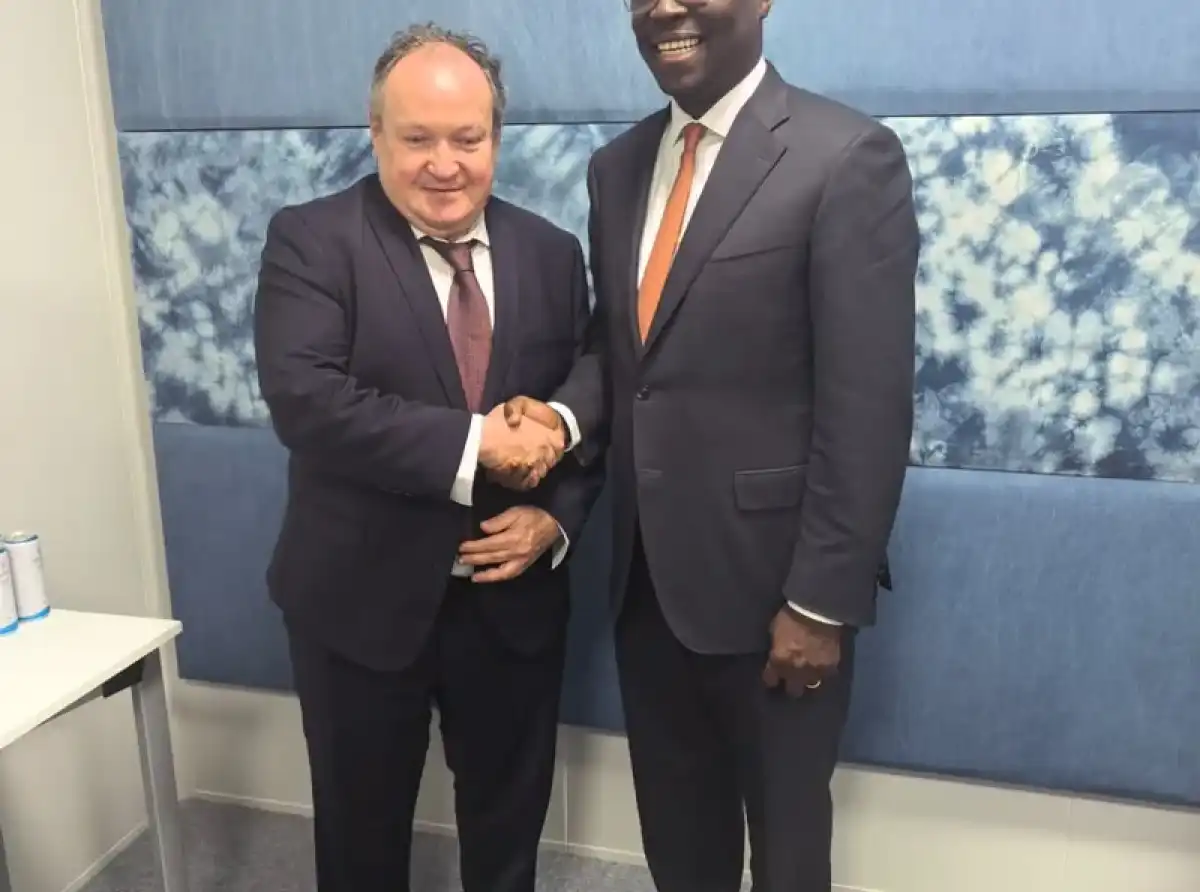
Finance Minister Dr Cassiel Ato Forson announced the funding package following a meeting with European Investment Bank (EIB) Vice-President Ambroise Fayolle, describing the discussions as productive.
“I have just concluded a productive meeting with European Investment Bank Vice-President Ambroise Fayolle on the financing package for the Northern Ghana Water and Sanitation Project,” Dr Forson said.
The financing arrangement comprises €98 million in grants and a €225 million highly concessional financing facility from the European Investment Bank.
Under the financing package, the European Commission will provide a €68 million grant, while Invest International, a Dutch government initiative, will contribute an additional €30 million.
Together, the two grants account for €98 million of the total financing, with the EIB providing the remaining €225 million through its highly concessional facility.
The funding structure is expected to support the implementation of the Northern Ghana Water and Sanitation Project and ease the financial burden associated with expanding essential water and sanitation infrastructure.
According to Dr Forson, the project is designed to address recurring water shortages and improve sanitation services in Tamale, Yendi and Damongo.
The three communities have been identified as beneficiaries of the intervention, which is expected to strengthen access to essential water services and support improved sanitation.
Reliable access to safe water is critical to public health, household welfare and economic activity. The project is therefore expected to contribute to improved living conditions for residents in the beneficiary communities.
The financing package highlights Ghana’s cooperation with European development partners in mobilising resources for major infrastructure projects.
The involvement of the European Commission, the European Investment Bank and Invest International brings together grant funding and concessional financing to support the country’s water and sanitation development priorities.
The government is expected to use the financing to advance the Northern Ghana Water and Sanitation Project as part of efforts to address longstanding water supply challenges and improve access to essential services.

Aikines Anyomi
News
Food
Politics
Technology
About Us
Download Our Mobile App

