
GUTA officials discuss issues on high import duties, demurrage costs, VAT with Bawumia
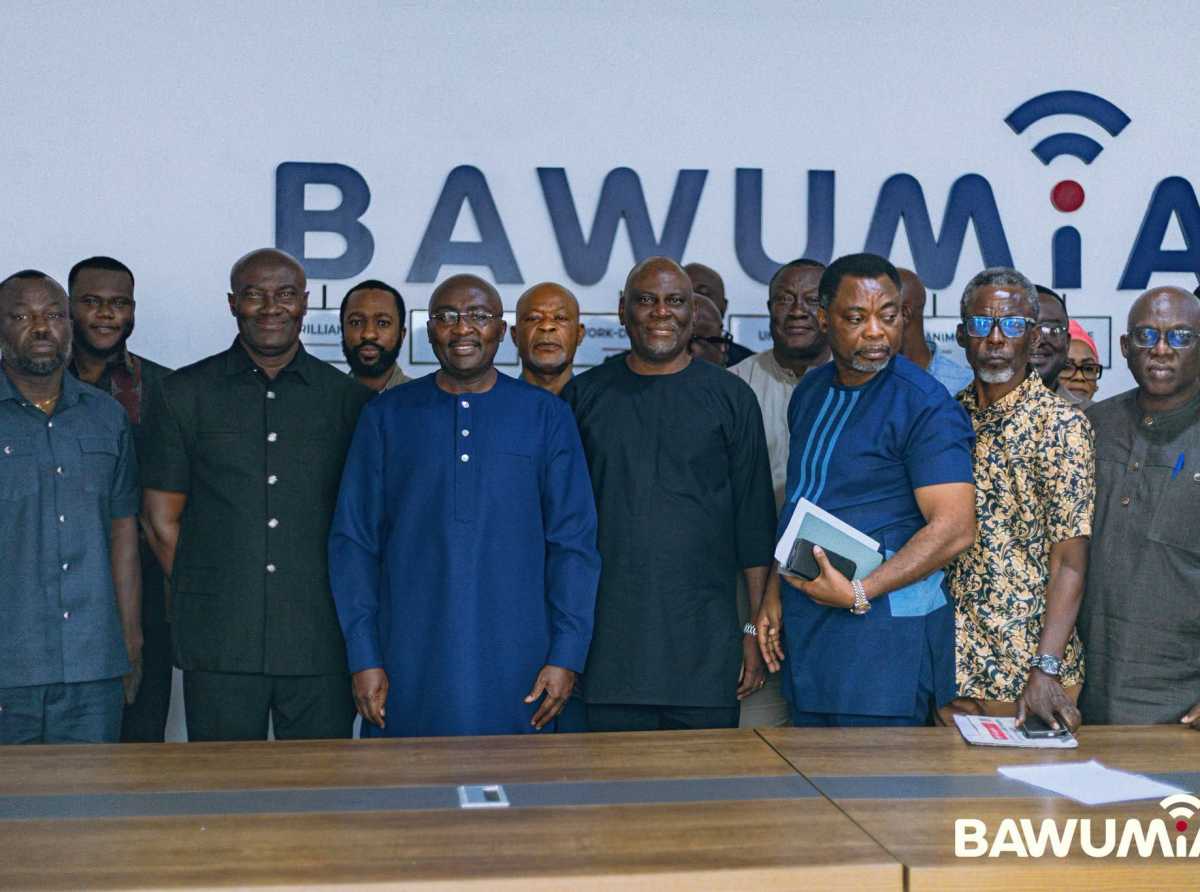
New Patriotic Party (NPP) flagbearer Dr Mahamudu Bawumia has held separate engagements with executives of the Ghana Union of Traders’ Associations (GUTA) and the leadership of the Ghana Artisans Association to discuss challenges facing businesses and explore measures to support growth and job creation.
The meetings, held in Accra on Thursday, October 15, 2026, formed part of Dr Bawumia’s ongoing consultations with professional bodies, trade associations and industry stakeholders across the country.
The discussions focused on concerns ranging from high import duties and shop rental costs to access to credit, skills development, energy expenses and the need for a more business-friendly tax system.
During the meeting with Dr Bawumia, GUTA executives and representatives outlined several challenges affecting traders and businesses in Ghana.
Among the concerns raised were high import duties, rising demurrage costs, the reported increase in VAT for informal sector operators to 20%, limited access to EXIM loans and foreign participation in Ghana’s retail trade.
The traders also highlighted the high cost of shop rentals and goodwill payments, which they said placed additional financial pressure on businesses.
The engagement provided an opportunity for GUTA representatives to present their concerns directly to the NPP flagbearer and propose possible solutions to the challenges confronting the trading community.
In a Facebook post following the meeting, Dr Bawumia described the discussions as eye-opening and said GUTA had presented proposals aimed at addressing some of the difficulties facing traders.
“The discussions were eye-opening and GUTA also came with proposals to resolve some of these challenges,” he wrote.
He said the meeting also examined ways to move Ghana’s economy beyond dependence on imports by encouraging local production.
“We also discussed the importance of transitioning from just importing to producing these goods in Ghana and the incentives to encourage them to do so. It was a very productive meeting and my thanks to GUTA for this meeting,” Dr Bawumia added.
The discussions on local manufacturing centred on the need to create conditions that would encourage businesses to invest in domestic production, potentially strengthening local industries and creating employment opportunities.
In a separate engagement, Dr Bawumia met with representatives of the Ghana Artisans Association to discuss issues affecting artisans and small-scale businesses.
The meeting brought together professionals from several sectors, including hairdressers and beauticians, tailors and dressmakers, barbers, and representatives of the construction and building materials industry.
The participants shared experiences of the difficulties they encounter in their daily operations and explored practical measures to strengthen their businesses and improve their competitiveness.
The engagement also highlighted the potential of the artisan sector to contribute to employment creation, particularly among young people.
Dr Bawumia stressed the importance of deliberate interventions to support artisans, noting that their industries could absorb significant numbers of young people while contributing to local economic growth.
He highlighted several areas requiring attention, including improved training and certification to enhance professionalism, wider adoption of solar power to reduce energy costs, and better access to credit for business expansion.
He also emphasised the need to help artisans acquire modern tools and equipment to improve productivity and the quality of their services.
On taxation, the NPP flagbearer called for a simplified system that would ease the burden on small-scale operators and make it easier for them to sustain and grow their businesses.
These proposals, he indicated, formed part of broader considerations on how to strengthen the operating environment for artisans and other small businesses.
The meetings with GUTA and the Ghana Artisans Association form part of Dr Bawumia’s broader consultations with professional groups, trade associations and industry players.
The engagements are intended to provide a platform for stakeholders to communicate their concerns, suggest policy interventions and contribute to discussions on Ghana’s economic development.
The issues raised by traders and artisans underscore the importance of access to finance, affordable business premises, manageable operating costs, skills development and policies that support local production.
The consultations also reflect the NPP flagbearer’s engagement with business groups on proposals aimed at improving the business environment, supporting small enterprises and promoting more inclusive economic growth.

Aikines Anyomi

News
Food
Politics
Technology
About Us
Download Our Mobile App

