
Gov’t allocates land for refugee farming under new integration initiative
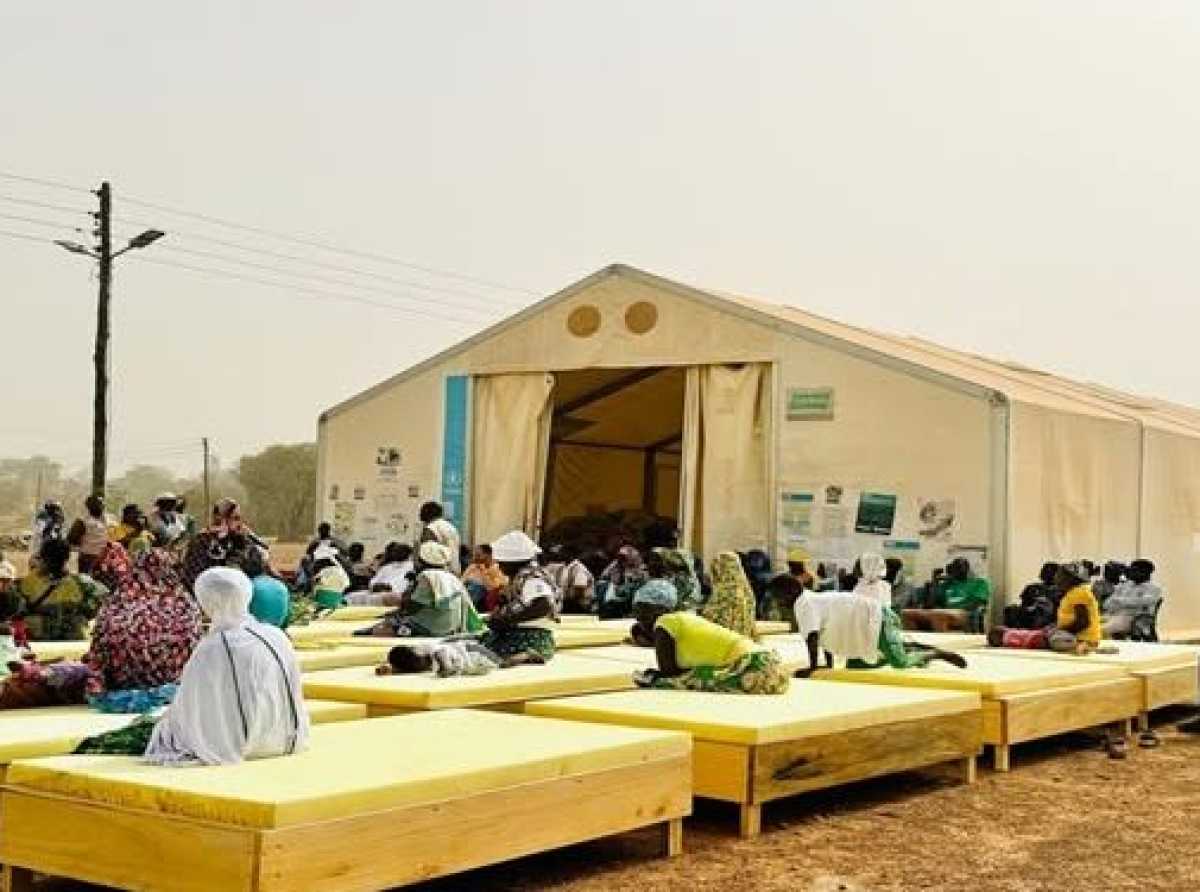
The Government of Ghana is expanding its humanitarian response to the growing influx of asylum seekers from Burkina Faso by introducing a large-scale agricultural integration programme aimed at promoting self-reliance, strengthening food security, and reducing pressure on host communities.
According to World Vision Ghana, more than 10,000 asylum seekers from Burkina Faso had sought refuge in Ghana by May 2025, escaping armed conflict, violent extremism, and climate-related challenges.
The asylum seekers are currently residing in several communities across northern Ghana, including Tarikom, Zini, Fielmo, Bansi, and Issakatinga.
Speaking on Joy FM’s Super Morning Show, Interior Minister Muntaka Mubarak announced that the government, through the Ghana Refugee Board, has secured approximately 10,000 hectares of land under a new initiative known as the Ghana Refugee Agriculture Project Support Programme.
The programme is designed to provide refugees with access to farmland, agricultural inputs, and livelihood opportunities while preventing competition over land and resources between displaced persons and local communities.
With the Ghana Refugee Board, we are doing what we call the Ghana Refugee Agriculture Project Support Programme. So instead of them coming to compete with our communities for land for grazing or cultivation, we have got the Ghana Refugee Board to acquire land, and now we have done about 10,000 hectares,” the Minister explained.
The government believes the initiative will help refugees become economically productive while fostering peaceful coexistence with host communities.
By providing designated agricultural land and farming support, authorities hope to reduce the risk of resource-related tensions and create opportunities for shared economic growth.
Mr. Mubarak indicated that many of the Burkinabe asylum seekers have already shown a strong interest in agriculture, making the programme a practical and sustainable solution.
The interesting thing about the Burkinabe is that they are interested in tilling the land, and so we are supporting them to be able to get the land, and get them input so that they will cultivate so that they will be able to feed themselves,” he said.
The influx of refugees from Burkina Faso reflects the broader security and humanitarian crisis affecting parts of the Sahel region, where extremist violence, insecurity, and climate shocks have displaced thousands of people.
Ghana's latest intervention seeks to balance humanitarian assistance with long-term development goals by empowering refugees to support themselves while contributing to local agricultural production.
Officials say the programme aligns with Ghana's broader commitment to refugee protection, food security, and community resilience, while ensuring that host communities continue to benefit from development interventions in the affected regions.

Aikines Anyomi

News
Food
Politics
Technology
About Us
Download Our Mobile App

