Irresponsible Security Reporting Could Worsen Ethnic and Religious Tensions – Shamima
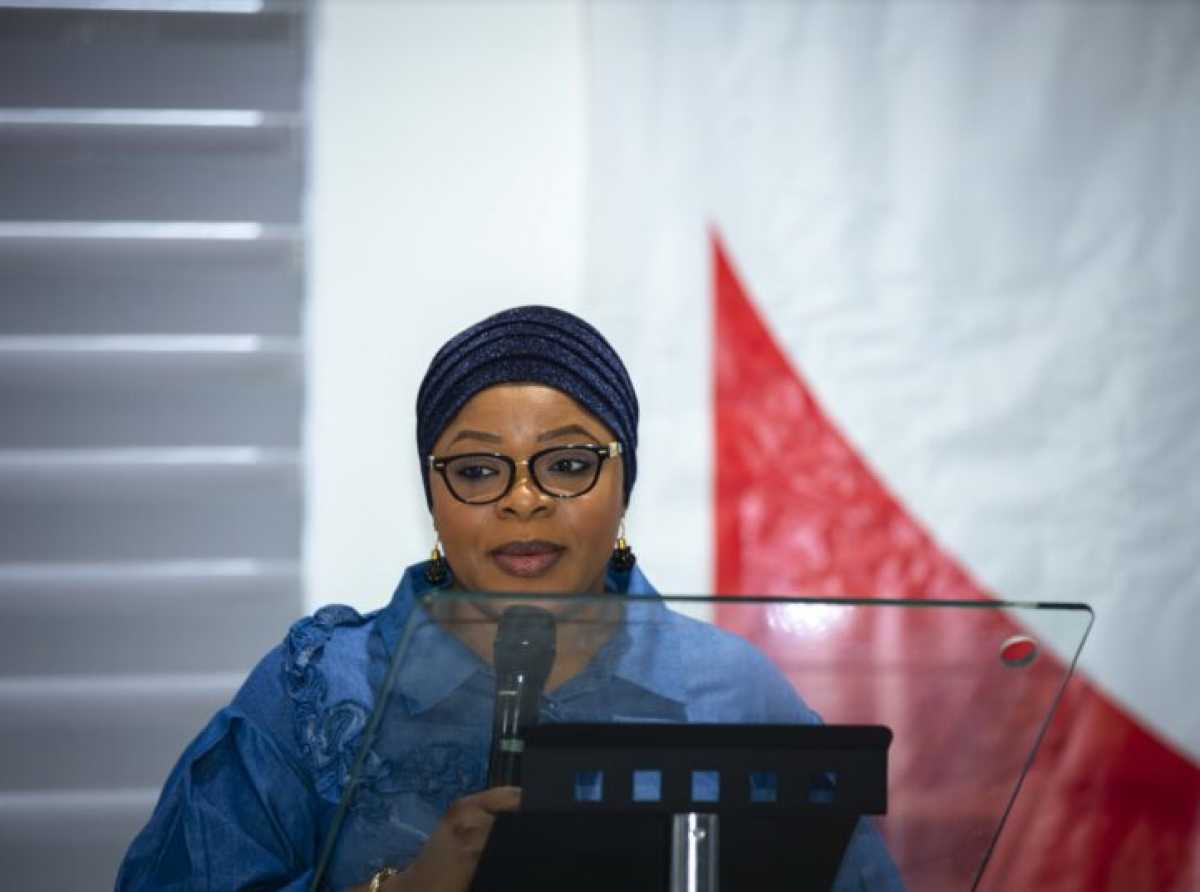
Deputy Presidential Spokesperson Shamima Muslim has cautioned journalists against sensational, inflammatory and unverified reporting, warning that irresponsible coverage of security-related issues could worsen ethnic, religious and political tensions in Ghana.
Ms Muslim said the media had a crucial role to play in preventing misinformation and poorly handled reports from escalating existing grievances into violence, particularly in communities affected by political, chieftaincy, ethnic and religious tensions.
She made the remarks at a capacity-building workshop on “Responsible Security Reporting” organised for members of the Private Newspapers and Online News Publishers Association of Ghana (PRINPAG).
The workshop was held under the theme “Media as a Strategic Partner in Preventive Security and Early Warning in Ghana.”
Speaking on behalf of the Minister for Government Communications, Felix Kwakye Ofosu, Ms Muslim urged journalists to exercise heightened caution when covering sensitive security situations, stressing that the manner in which information is presented can have significant consequences for public safety.
Ms Muslim identified political vigilantism, chieftaincy disputes, ethnic conflicts and religious tensions as areas where irresponsible reporting could aggravate already fragile situations.
She cautioned that sensational coverage of political vigilante groups could inadvertently give undue prominence to individuals and organisations associated with political violence.
According to her, repeatedly portraying such groups and their members in dramatic or celebratory ways could contribute to their emergence as public figures and potentially encourage the normalisation of political violence.
She cited the violence recorded during the 2019 Ayawaso West Wuogon by-election as an example of how politically charged incidents can damage public confidence and Ghana’s democratic reputation.
The Deputy Presidential Spokesperson also urged journalists to avoid simplistic, inflammatory or stereotypical descriptions when reporting ethnic conflicts.
She referenced historical conflicts such as the Konkomba-Nanumba conflict, the Dagbon crisis and continuing tensions in Bawku, stressing that such situations require careful reporting that provides context without deepening divisions.
She warned that inaccurate or emotionally charged narratives could reinforce prejudices, heighten mistrust and make efforts at mediation and peacebuilding more difficult.
Ms Muslim similarly urged media organisations to exercise caution when reporting on religious tensions, particularly when dealing with images and videos circulating on social media.
She expressed concern about the growing use of artificial intelligence to create fabricated videos, images and documents that can appear authentic to unsuspecting audiences.
According to her, the rapid spread of deepfakes and manipulated digital content has created new challenges for journalists and security agencies, particularly when such material touches on sensitive religious, ethnic or political issues.
She warned that the circulation of unverified or manipulated content could inflame relations between Christian and Muslim communities and trigger tensions before the authenticity of the material can be established.
Ms Muslim therefore encouraged professional journalists to distinguish their work from unverified social media content by prioritising fact-checking, context and responsible analysis.
Ms Muslim outlined four key questions journalists should consider before publishing security-related information.
She said journalists should first establish whether the information had been properly verified.
They should also consider whether publishing the information could endanger security personnel, victims or ongoing operations.
The third consideration, she said, should be whether the report could reveal sensitive tactical information that might compromise security operations.
Finally, journalists should assess whether the language used in a report could unnecessarily inflame ethnic, religious or political tensions.
She urged journalists to resist the pressure to publish information first at the expense of accuracy and public safety.
“Let TikTok be first. Let PRINPAG be right,” she said.
Ms Muslim said Ghana’s peace and stability depended, in part, on citizens having access to accurate and reliable information.
She urged media organisations to treat information integrity as a national imperative, particularly at a time when social media platforms allow unverified claims and manipulated content to reach large audiences within minutes.
She, however, stressed that responsible journalism should not be interpreted as protecting government or security institutions from scrutiny.
Rather, she said, the responsibility should be shared among all stakeholders, with government remaining accountable, journalists exercising professional responsibility, security institutions maintaining professionalism and citizens remaining vigilant.
Her comments come amid growing concerns over the impact of misinformation, disinformation, political polarisation and digitally manipulated content on Ghana’s social cohesion and national security.
She urged journalists to see themselves not merely as reporters of security incidents but also as strategic partners in preventive security and early-warning efforts.
The workshop therefore sought to reinforce the importance of professional journalism in identifying potential flashpoints, providing accurate information and contributing to peaceful resolution before tensions escalate into violence.

Aikines Anyomi
News
Food
Politics
Technology
About Us
Download Our Mobile App

