Minority criticises latest utility tariff hike, calls increases “broken promise”
The Minority in Parliament has strongly criticised the latest utility tariff adjustments announced by the Public Utilities Regulatory Commission (PURC), arguing that the cumulative increase in electricity tariffs over the past 18 months represents a failure by the government to fulfil its promises to ease the cost of living for Ghanaians.
The criticism follows PURC’s announcement of a new upward review of utility tariffs, which will take effect on July 1, 2026. Under the latest adjustment, electricity tariffs will increase by 3.49 percent, while water tariffs will rise by 0.85 percent.
According to the Commission, the changes are part of its quarterly tariff review mechanism designed to account for fluctuations in key economic and operational variables that affect utility service providers.
In a statement issued on June 22, PURC said the latest review considered several factors, including movements in the Ghana cedi–US dollar exchange rate, inflation trends, fuel prices, and the electricity generation mix.
The Commission noted that natural gas costs, which significantly influence thermal power generation, were also taken into account in determining the new tariff levels.
PURC maintains that periodic tariff reviews are necessary to ensure utility providers remain financially viable and capable of delivering reliable services to consumers across the country.
The regulator further stated that the mechanism is intended to preserve the real value of tariffs while balancing the interests of utility companies and consumers.
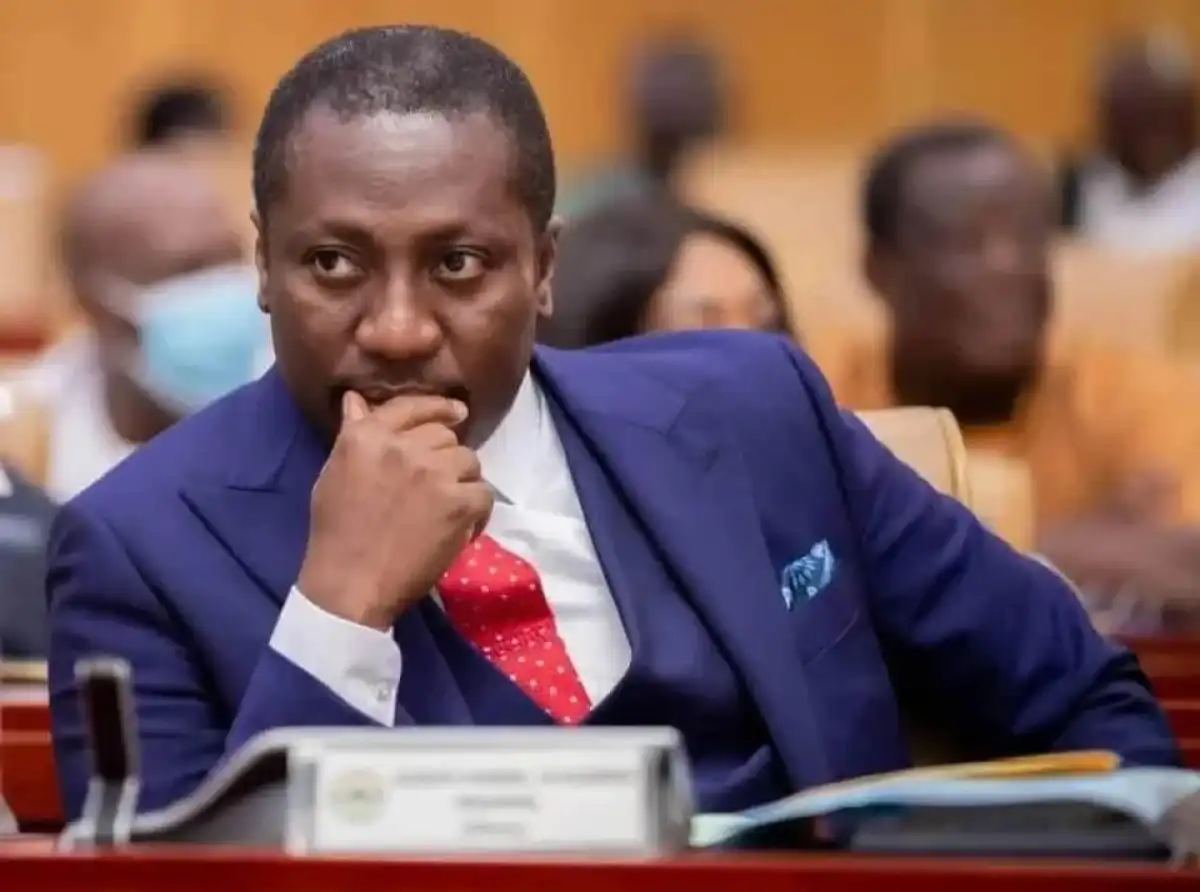
Addressing a press conference on Thursday, June 25, Deputy Ranking Member on Parliament’s Energy Committee, Collins Adomako-Mensah, said the latest increase reinforces concerns about what he described as a consistent pattern of rising utility costs under the administration of President John Dramani Mahama.
“This is the latest chapter in an unbroken story of tariff escalation under the John Mahama-led NDC administration. We remember the promises,” he said.
According to Mr. Adomako-Mensah, the National Democratic Congress (NDC) campaigned on commitments to reduce the financial burden on households, improve the energy sector, and make utility services more affordable.
He argued that developments since the government assumed office have contradicted those promises.
The Minority lawmaker claimed that despite periodic reviews and one temporary reduction, electricity consumers are now paying significantly more than they were when the current administration took office.
According to him, cumulative electricity tariff increases have reached 26.82 percent over the past 18 months.
“Eighteen months into the administration, Ghanaians are paying 26.82 percent more for electricity than when President Mahama took office. This is a broken promise,” he stated.
To support his argument, he outlined the sequence of tariff adjustments implemented since 2025.
According to the Minority:
- Quarter 2, 2025: 14.75% increase
- Quarter 3, 2025: 2.45% increase
- Quarter 4, 2025: 1.15% increase
- Quarter 1, 2026: 9.8% increase
- Quarter 2, 2026: 4.81% reduction
- Quarter 3, 2026: 3.49% increase
While acknowledging the reduction implemented during the second quarter of 2026, Mr. Adomako-Mensah argued that the overall trend remains upward and continues to place additional pressure on households and businesses.
The Minority has called on the government to implement measures aimed at stabilising utility prices and cushioning consumers from the impact of recurring tariff adjustments.
Mr. Adomako-Mensah stressed that rising utility costs have broader implications for the economy, affecting household budgets, business operations, and overall living standards.
He urged policymakers to pursue reforms that address the underlying challenges in the energy sector rather than relying on frequent tariff increases.
PURC, however, maintains that regular tariff reviews are essential to sustaining utility operations and ensuring the continued provision of electricity and water services.
The regulator argues that without periodic adjustments, utility providers could face financial difficulties that may affect service delivery, infrastructure maintenance, and future investments.
The latest tariff review has once again reignited debate over the balance between maintaining financially viable utility companies and protecting consumers from rising living costs.
As the new tariffs take effect on July 1, many consumers will be closely watching both government and utility providers for further measures aimed at addressing affordability concerns while ensuring reliable service delivery.

Aikines Anyomi
News
Food
Politics
Technology
About Us
Download Our Mobile App

