
President Mahama appoints Brigadier General Okae-Yeboah to lead flood mitigation task force
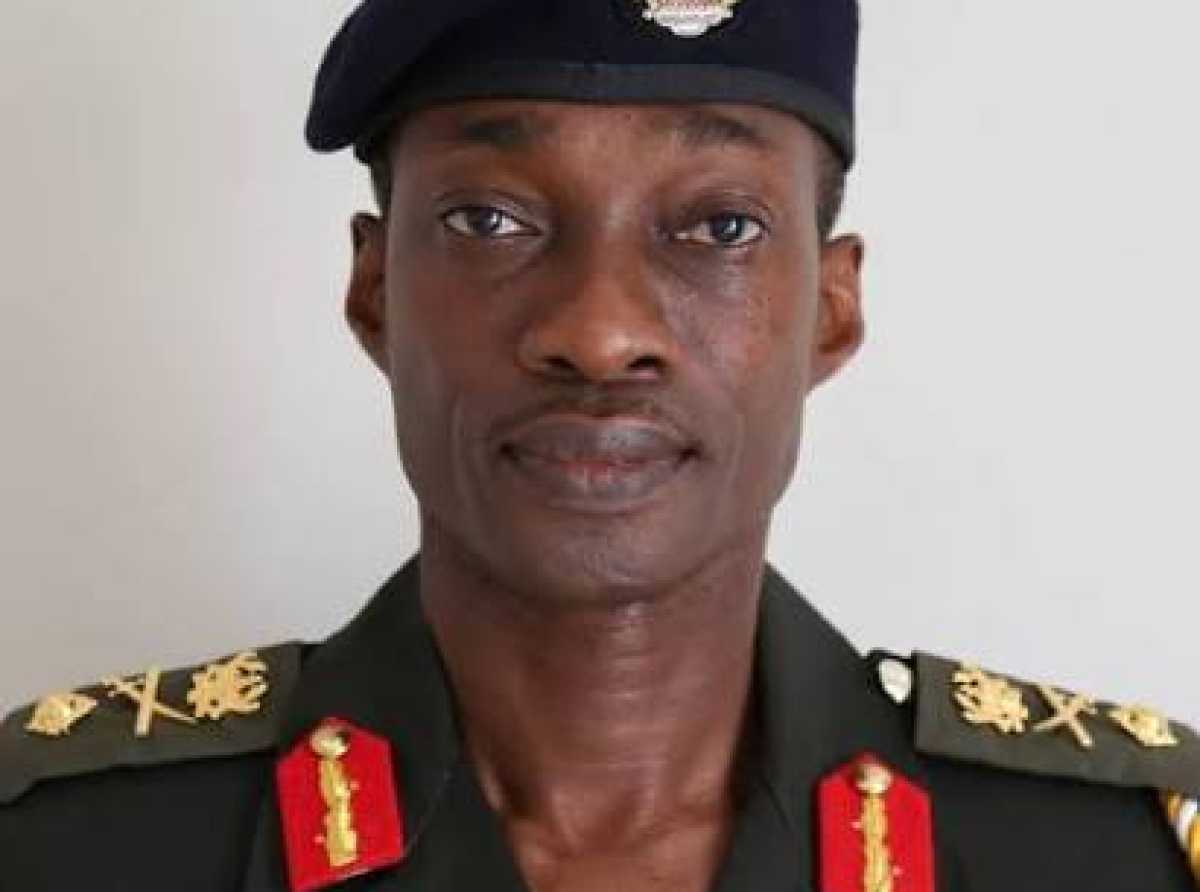
President John Dramani Mahama has appointed Brigadier General Forster Okae-Yeboah, Director General of Joint Operations of the Ghana Armed Forces (GAF), to lead a nationwide flood mitigation exercise aimed at reducing the risk of future flooding and protecting lives and property across the country.
The large-scale emergency operation comes in response to the devastating floods that swept through parts of the Greater Accra Region following hours of torrential rainfall on Monday, June 29, 2026, leaving a trail of destruction in several communities.
The President's decision underscores the government's resolve to strengthen disaster preparedness and implement urgent interventions to address Ghana's recurring flood challenges, particularly in densely populated urban centres.
The appointment follows one of the worst flooding incidents to hit Accra in recent years.
Heavy rains overwhelmed drainage systems, submerged roads, destroyed homes and businesses, disrupted transportation, and forced hundreds of residents to flee rising floodwaters.
According to official government figures, the disaster claimed the lives of 13 people, affected more than 7,000 households and impacted over 38,000 residents across the Greater Accra Region.
The floods also caused significant damage to public infrastructure, including roads, drainage networks and utility services, prompting calls for stronger flood prevention measures.
Government Spokesperson Felix Kwakye Ofosu announced the appointment in a Facebook update on Thursday, July 2, describing the initiative as an "uncompromising, robust and all-action Flood Mitigation Exercise."
As Director General of Joint Operations of the Ghana Armed Forces, Brigadier General Okae-Yeboah is expected to coordinate a comprehensive multi-agency operation involving the military, emergency response institutions, local government authorities and other relevant state agencies.
The exercise will focus on rapidly implementing practical measures to reduce flood risks across vulnerable communities while strengthening Ghana's emergency response capacity.
The nationwide exercise is expected to prioritize the desilting and clearing of choked drains, removal of refuse obstructing waterways, inspection of flood-prone areas and protection of low-lying communities that remain vulnerable during the rainy season.
Authorities are also expected to identify critical drainage bottlenecks, improve coordination among emergency response agencies and undertake preventive actions designed to minimise the impact of future heavy rainfall.
The intervention forms part of broader government efforts to improve climate resilience and reduce the human and economic costs associated with annual flooding.
To provide further details on the operation, Brigadier General Forster Okae-Yeboah is scheduled to address the nation on Friday, July 3, at 11:00 a.m.
The briefing is expected to outline the task force's operational strategy, deployment plans, inter-agency collaboration framework and the immediate interventions that will be rolled out across affected and flood-prone communities.
Government officials say the address will also explain how various state institutions will work together to implement the nationwide exercise and ensure swift action in areas at greatest risk.
The establishment of the flood mitigation task force signals a renewed push by the Mahama administration to strengthen disaster management and improve Ghana's resilience against extreme weather events.
With climate change, rapid urbanisation and poor drainage infrastructure continuing to increase flood risks in many parts of the country, authorities are expected to pursue both immediate emergency interventions and longer-term infrastructure improvements aimed at protecting communities and safeguarding public property.
The nationwide operation is expected to commence immediately after the official operational briefing, with security agencies and relevant government institutions mobilising resources to implement the President's directive.

Aikines Anyomi

News
Food
Politics
Technology
About Us
Download Our Mobile App

