
Republican dissent grows as Trump requests $70bn for Iran conflict
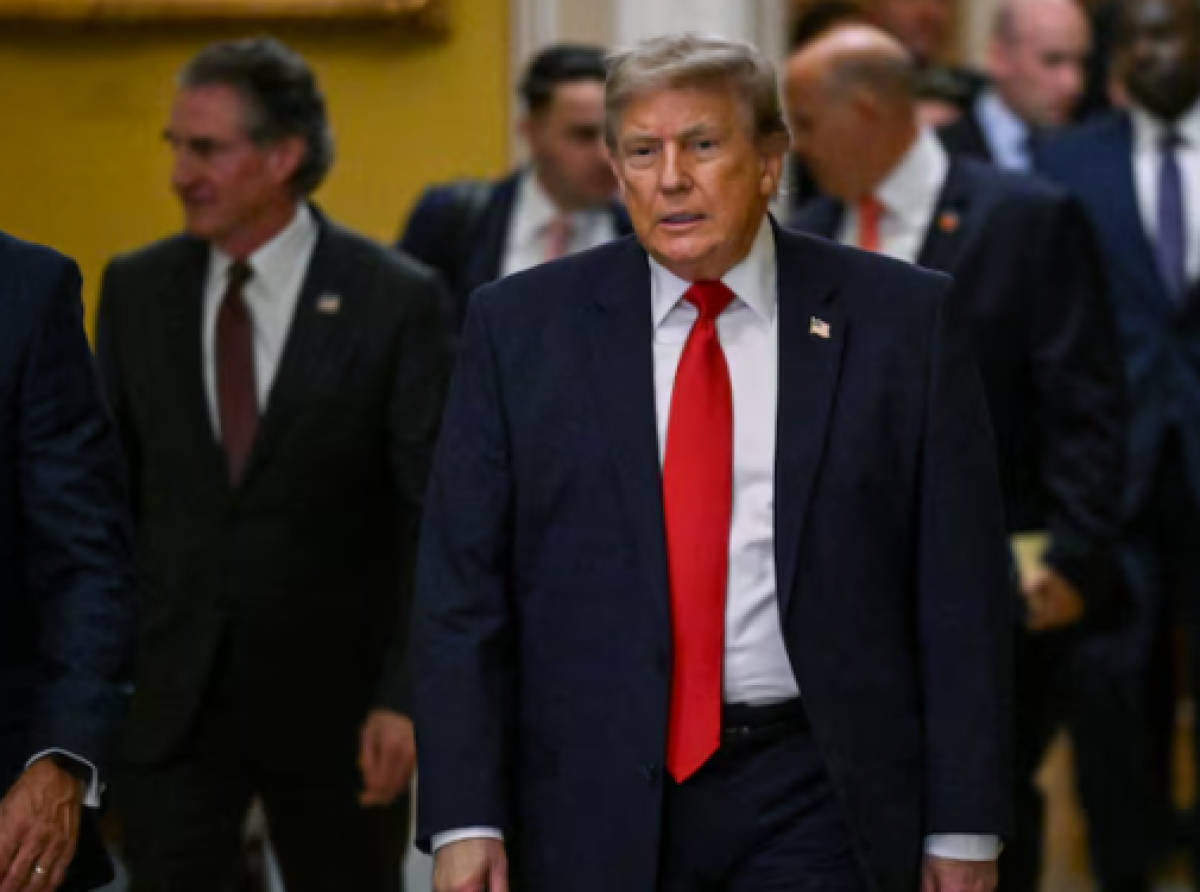
U.S. President Donald Trump faced growing pressure from within his own Republican Party on Wednesday after a heated closed-door meeting over the administration’s handling of the Iran war, just hours before the White House requested an additional $70 billion from Congress to cover conflict-related expenses.
The tense exchange highlighted increasing divisions among Republicans over the direction, cost, and objectives of the war, as concerns mount about its political and economic impact ahead of the November congressional elections.
According to lawmakers who attended the private meeting, Trump engaged in a sharp confrontation with Republican Senator Bill Cassidy, who questioned the administration’s recent framework agreement with Iran and called for greater transparency regarding its terms and long-term implications.
Speaking to reporters after the meeting, Senator Cassidy argued that the American public deserved a clearer explanation of the agreement signed between Washington and Tehran following recent peace negotiations.
“The American people need to know more than we are being told,” Cassidy said.
“It does not appear, although I don’t know for sure, that the course of this is going the way that we were told.”
The framework agreement reportedly includes financial incentives for Iran and a temporary easing of some sanctions but falls short of several goals previously outlined by the Trump administration at the beginning of the conflict.
The disagreement reportedly escalated into a shouting match, underscoring growing frustration among some Republican lawmakers over the administration’s strategy.
Later in the day, Senate Republican leaders moved swiftly to block a resolution aimed at ending hostilities with Iran.
The Senate voted 50-47 largely along party lines to prevent the measure from advancing.
The vote followed a separate congressional effort earlier this week in which lawmakers approved a resolution directing President Trump to end the war.
Cassidy had been among four Republicans who supported that earlier measure alongside Democratic lawmakers.
Following Wednesday's vote, Trump welcomed the outcome and portrayed it as a signal of American resolve.
“This vote puts Iran on notice,” the President wrote on social media.
As debate over the conflict intensified, the administration formally asked Congress to approve an additional $70 billion to finance ongoing military operations.
The request would increase spending beyond the existing U.S. defense budget of approximately $867 billion.
The proposal is expected to trigger further debate among lawmakers concerned about the long-term financial burden of the conflict and the administration’s broader foreign policy objectives.
Political analysts note that public support for the war has weakened considerably since fighting began.
Recent polling data indicates that only about one-quarter of Americans believe the war has been worth its economic and human costs, contributing to a decline in the President’s approval ratings.
The emerging framework agreement between the United States and Iran remains one of the most contentious aspects of the conflict.
While the accord has helped reduce tensions and facilitated a ceasefire, critics argue that it grants significant concessions to Tehran without adequately addressing broader security concerns.
Among the most debated provisions are financial incentives for Iran, sanctions relief measures, future nuclear inspections, and arrangements governing navigation through the Strait of Hormuz.
The agreement establishes a 60-day negotiation period during which both sides are expected to address unresolved issues, including Iran’s nuclear programme and regional security concerns.
However, conflicting statements from both governments have raised questions about the exact commitments contained within the framework.
Despite easing hostilities, tensions remain high around the Strait of Hormuz, one of the world's most strategically important shipping routes.
Oil prices fell to their lowest levels since before the conflict began as traders welcomed signs that shipping activity through the waterway was gradually returning to normal.
However, Iran's Revolutionary Guards Corps (IRGC) warned international vessels that they must continue using routes designated by Tehran and coordinate movements through the Revolutionary Guards Navy.
The warning came shortly after Oman announced temporary shipping lanes through the strait in collaboration with the International Maritime Organization.
Iranian authorities described any uncoordinated navigation routes as unacceptable and potentially dangerous.
Before the conflict disrupted maritime traffic, nearly one-fifth of global oil and liquefied natural gas shipments passed through the narrow waterway, making its security critical to global energy markets.
The proposed peace framework has also generated concern among several Middle Eastern governments.
Regional allies of the United States have reportedly expressed reservations about a proposed $300 billion reconstruction fund for Iran and the partial waiver of sanctions included in the agreement.
Some Gulf states fear the funding could indirectly help Tehran rebuild military capabilities weakened during the conflict.
Critics have also pointed out that the agreement currently does not address Iran's ballistic missile programme, a long-standing source of tension between Tehran and its regional rivals.
Iran has suggested that it may seek to impose environmental, navigation, and security fees on vessels using the Strait of Hormuz after the 60-day transition period expires.
The United States and its allies have strongly opposed any such move.
“We’re not going to do anything that undermines the security of our allies, our longstanding allies in the region,” U.S. Secretary of State Marco Rubio said during a visit to Kuwait.
Meanwhile, efforts to ease tensions in neighbouring Lebanon have encountered fresh obstacles.
U.S. officials have been facilitating discussions between Lebanese and Israeli representatives over a proposal that would see Israeli forces withdraw from some occupied territory and transfer control to the Lebanese army.
However, Israeli Prime Minister Benjamin Netanyahu has rejected calls for a troop withdrawal.
The situation remains complicated by ongoing clashes between Israel and Hezbollah, which intensified after Hezbollah launched attacks in support of Iran earlier this year.
Adding to the uncertainty, Lebanese sources reported that an Israeli drone strike in southern Lebanon killed two people on Wednesday, while Israel said it had targeted armed Hezbollah fighters.
The Iran conflict is increasingly emerging as a major political issue ahead of the November elections, with lawmakers from both parties questioning the administration’s strategy, costs, and end goals.
While Trump continues to defend the agreement and military campaign as necessary for regional stability and American security interests, growing scepticism within Congress and among voters suggests the debate is far from settled.
As negotiations continue and military operations evolve, both the White House and Congress are expected to face mounting pressure to provide greater clarity on the future of U.S. involvement in the Middle East and the ultimate objectives of the Iran peace process.

Aikines Anyomi

News
Food
Politics
Technology
About Us
Download Our Mobile App

